REVIEW · LUNCH EXPERIENCES
Climbing the John Hogbin Via Ferrata with Lunch
Book on Viator →Operated by DIM TRAP · Bookable on Viator
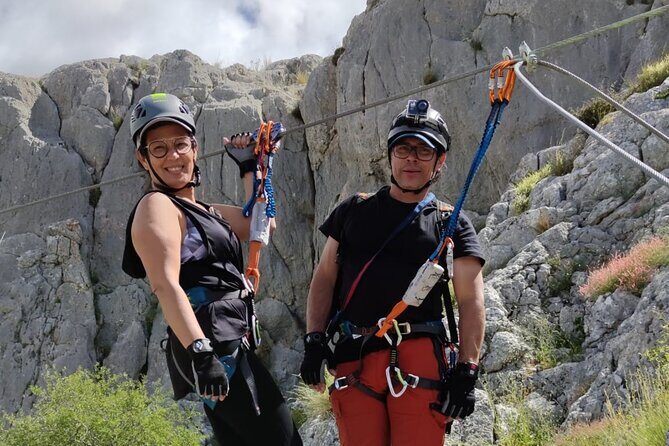
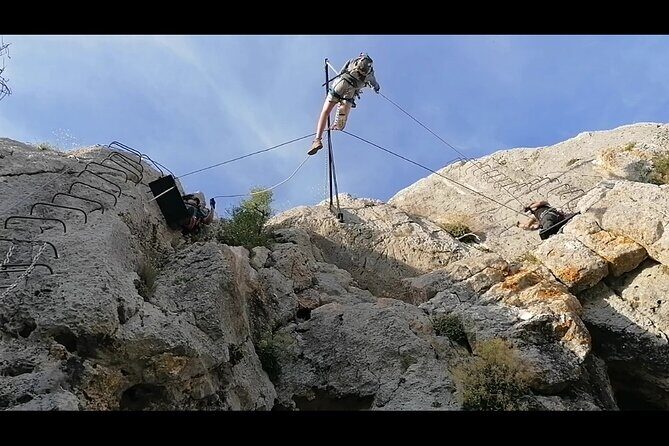
Granada’s cliffs are playful, not scary. This John Hogbin via ferrata outing turns a rocky training day into a full-on obstacle playground, with a safety briefing, top gear, and guides like Harry, plus other staff such as Jakub and Adriana showing up in past groups. You’ll head out to the Zafarraya area, learn how the safety system works, and then move through a serious circuit designed for fun as much as for views.
What I like most is that the experience hits both sides: adrenaline and control. You get three zip lines, a pendulum, the stairs to heaven, a Tibetan bridge, and a monkey pass, all wrapped into a route with 550 meters total length and a 175-meter height difference. My second big win is the food element: you’re not just climbing and leaving—there’s a toast at the summit and a meal afterward, with lunch and snacks included.
One consideration: this is still a via ferrata, so you’ll want moderate physical fitness. If you’re dealing with tight calves, knees that hate stairs, or you’re new to sustained effort, the route might feel like a workout rather than a stroll.
In This Review
- Key highlights you’ll feel right away
- Climbing the John Hogbin: what makes it such a fun route
- Granada to Zafarraya: gear-up and the safety rhythm that matters
- The main course: zip lines, pendulum, Tibetan bridge, and the monkey pass
- Stopping for views: the toast at the summit
- Lunch, appetizers, and snacks: how the food fits the day
- Guides set the tone: safety-first, pace-friendly coaching
- Price and value: why $114.89 can make sense
- Timing, pace, and what to wear so you feel good
- Who should book the John Hogbin via ferrata with lunch?
- Should you book? My quick decision guide
- FAQ
- Where does the John Hogbin via ferrata start?
- What time does the tour begin?
- How long is the experience?
- Is pickup available from Granada?
- What fitness level do I need?
- How big is the group?
- What happens if the weather is bad?
Key highlights you’ll feel right away
- Small group size (max 10), which helps the guides manage pacing and safety checks
- A full obstacle lineup: zip lines, pendulum, Tibetan bridge, and monkey pass in one route
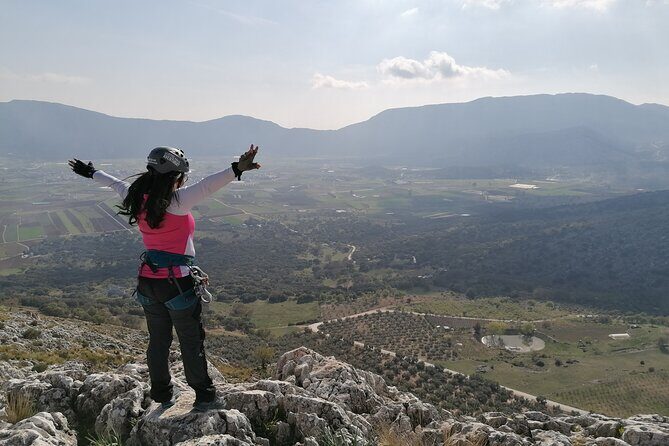
- Big views for the effort across the Zafarraya valley from the climb and summit
- Toast at the top plus a post-route meal with lunch and snacks included
- English-speaking instruction with hands-on practice using the safety gear
- Round-trip from Granada with return to the same meeting point
Climbing the John Hogbin: what makes it such a fun route
The John Hogbin via ferrata isn’t just about climbing up a wall. It’s built like a sequence of challenges, so your brain stays busy and your feet stay moving. Instead of one long, repetitive climb, you bounce between elements—metal steps, exposed sections, and those moments where you’re sliding or swinging and can’t help but look around.
The setting matters too. You’re based in the Zafarraya area outside Granada, heading toward the Las Parideras Recreational zone. That’s the kind of place where you can feel the terrain shift from “city plan” to “outdoor play,” and then you get rewarded with open valley views once you’re higher.
If you like your outdoor days to feel organized, this tour is set up that way: you get kitted out, shown what to do, then guided through the route. The guides described by guests (including Harry, Jakub, and Adriana) consistently lean into safety-first coaching, not just sending you off.
You can also read our reviews of more tours and experiences in Granada
Granada to Zafarraya: gear-up and the safety rhythm that matters
You start at Arabial, 45, Ronda, 18004 Granada at 9:30 am. The activity ends back at the same meeting point, so you don’t waste time with extra transfers on your own. Pickup is offered, which is a quiet quality-of-life upgrade if you don’t want to wrangle bus schedules before your morning climb.
Once you reach Las Parideras, the first real step is equipment. You’ll put on the via ferrata safety gear and get instructions on how it works. This matters more than people think. On a via ferrata, the system is what lets you focus on moving instead of worrying. When guests describe how safe they felt, it lines up with what you’d want to experience: clear coaching, repeated checks, and a guide who watches your technique in small ways, not just from a distance.
What to expect from the briefing:
- learning how to handle the attachment and movement through the route
- understanding the pace you should keep
- getting tips for balance and where to place your feet during exposed sections
Even if you’ve done other outdoor activities, arriving with a calm mindset helps. You’re not racing. You’re learning the flow so the route feels like an adventure, not a series of surprises.
The main course: zip lines, pendulum, Tibetan bridge, and the monkey pass
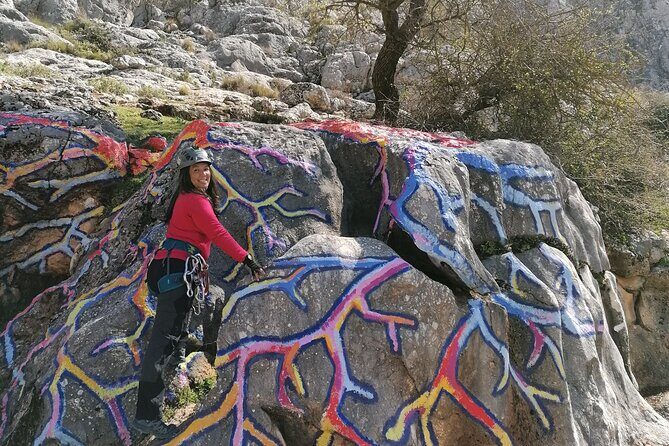
The route is laid out as a chain of obstacles—about 550 meters in total—with a 175-meter height gain. That number gives you a reality check: you’ll be climbing in earnest, but the design breaks the effort up. You don’t spend the whole day doing only uphill moves.
Here are the elements and why they’re memorable:
Three zip lines
These are the speed breaks. You climb to a platform, you clip in, and then you slide. Expect a mix of thrill and focus: your hands and body position matter, and you’ll feel the change from walking to flying. This is one of the reasons the John Hogbin feels like an adventure park, just with safety gear and real mountain air.
Pendulum section
This is the part where you’re not just moving forward—you’re swinging. The pendulum effect makes balance feel different, and it’s also where having a guide who sets you up correctly pays off. If you tend to get tense, treat it like a moment to follow instructions and keep breathing.
Stairs to heaven
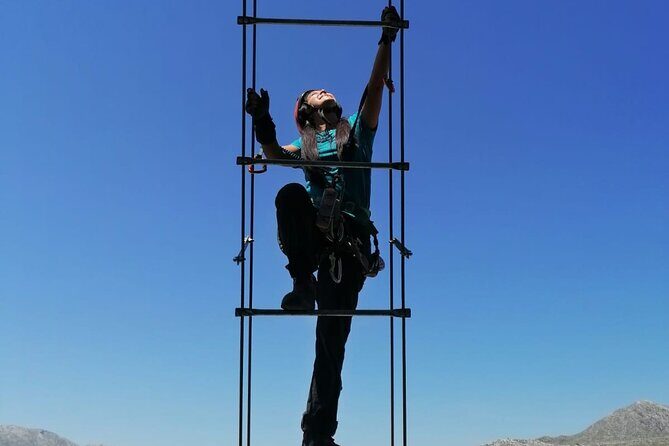
The name is playful, but the function is serious: it’s a stair-like climbing section that tests foot placement and stamina. It also helps you mentally reset after the more “action” parts like the zip lines.
Tibetan bridge
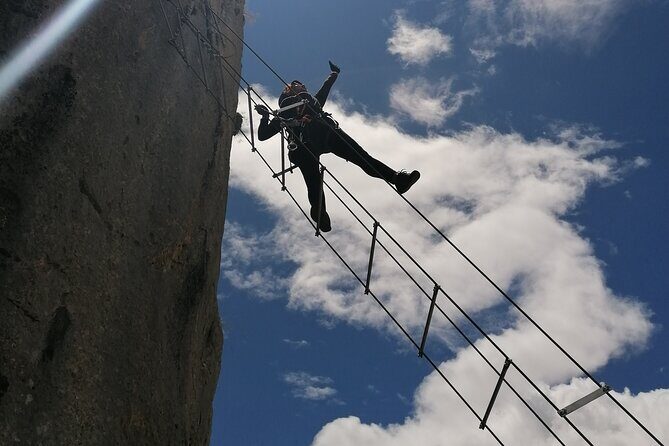
A bridge tends to be where people either relax or tighten up. The Tibetan bridge style can feel bouncy or uneven compared to solid ground. The best approach is calm movement: don’t overthink it, but also don’t rush.
Monkey pass
This last type of section is the payoff for people who like hands-on scrambling and agility. You’ll still be clipped into safety, but you’ll feel more engaged with your body than with your phone.
The overall takeaway: the route is varied on purpose. That keeps it fun, and it also means you’re not grinding the same movement over and over.
Stopping for views: the toast at the summit
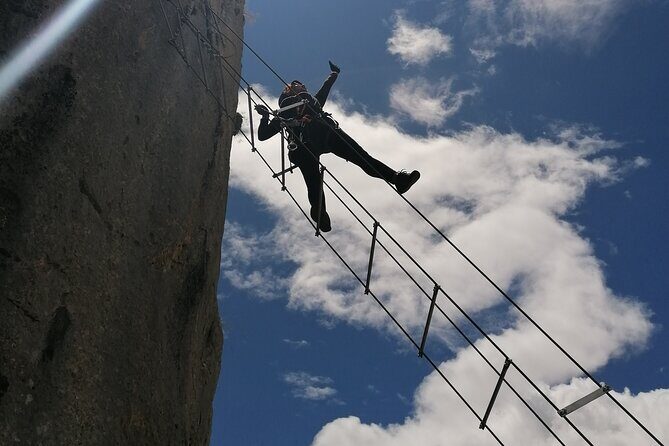
One of the more delightful parts of the day is that you don’t just reach a high point and immediately turn around. You’ll take in the scenery around the Zafarraya valley from above, and then there’s a toast at the summit.
That might sound like a small detail, but it changes how you experience the climb. It’s an emotional checkpoint. After metal, steps, and careful movement, you get a breather where the effort makes sense. You’re reminded that via ferrata days aren’t just about the mechanics—they’re about being up there.
The toast also fits a travel rhythm I like: do something active first, then reward yourself without turning it into a long, formal dinner. You get the highlight moment, then you keep going.
Lunch, appetizers, and snacks: how the food fits the day
After your route, you return and end back in Granada. But before you fully switch off, you get food. The tour is described as climbing the John Hogbin via ferrata with lunch, and guests highlight that lunch is included and genuinely enjoyable.
What you can count on based on the tour description and guest feedback:
- a summit toast during the climb
- a meal afterward in the form of lunch and snacks
- delicious appetizers at the end of the route
I like how this food plan respects the reality of an active morning. When you’re climbing for hours, you don’t want a heavy sit-down that makes you sleepy. Appetizers and snacks hit the right balance: enough energy, without turning the rest of the day into recovery mode.
If you’re the type who hates spending your afternoon searching for food after an outdoor activity, this is one of the big value points here.



Guides set the tone: safety-first, pace-friendly coaching
You’ll likely remember your guide as much as the obstacles. Across the past experiences connected with this activity, the names that come up are Harry, Jakub, and Adriana—and the common thread is trust-building.
Here’s what that looks like in practical terms:
- You get clear instruction on gear use before you start moving.
- Your guide helps you get comfortable with each tricky element.
- The tone stays friendly, so you don’t feel embarrassed if you need a slower moment.
That last part is key for your enjoyment. Via ferrata days can be mentally intense, even for people who are physically fit. A patient guide helps you stay focused and calm, not rushed or self-conscious.
I also love that the group size is capped at 10 travelers. That usually means you get more attention per person, and the guides can watch your technique without turning the route into a cattle call.
Price and value: why $114.89 can make sense
At $114.89 per person, this sits in the “do-it-once and enjoy it” category. Whether it’s a bargain depends on what you’d otherwise do in the area.
Here’s the value logic:
- You’re paying for a guided, safety-managed via ferrata experience, not just gear rental.
- Transportation from Granada (and pickup offered) reduces your headache factor.
- The route includes a full obstacle sequence—zip lines, pendulum, Tibetan bridge, monkey pass—so you’re not buying a single climb with minimal extras.
- Food is part of the package: toast at the summit and lunch with snacks/appetizers.
If you’re already planning to spend time outdoors around Granada, I think the value is solid. You get a structured half-day, a memorable route, and meals handled for you—plus the small group attention that matters for safety.
If you’re traveling super budget-only and hate guided tours, then you might compare it to DIY options. But with via ferrata, DIY often gets complicated fast. The guide and equipment component is a major part of what you’re paying for.
Timing, pace, and what to wear so you feel good
The duration is about 4 hours, with a 9:30 am start. That makes it a great first-half-of-the-day activity. You’ll likely want the afternoon free for relaxing, tapas, or another Granada plan.
Because the tour requires moderate physical fitness, the pace matters. The good news is that the route structure helps. You’ll move through different elements rather than trudging uphill the whole time. Still, bring realistic expectations: you’ll climb, clip in, and stay steady through exposed sections.
What you can do to prepare:
- Wear comfortable clothing that can handle outdoor movement.
- Bring a mindset for short bursts of effort plus moments of focus and balance.
- Plan for the fact that your hands and legs will feel used by the end.
If you’re worried about heights or exposure, don’t ignore it. Focus on the safety coaching. The guides’ job is to get you through those sections with confidence.
Who should book the John Hogbin via ferrata with lunch?
This is a strong fit for you if:
- you want an adventure that’s structured and guided, not improvised
- you like variety (zip lines plus bridge plus pendulum) more than one-note climbing
- you’re okay with moderate effort in exchange for views and fun obstacles
- you want lunch and snacks handled, so you can keep your day simple
It’s also a good choice for families who can handle outdoor activity with a safety framework. One group went with kids aged 12, 13, and 15 and came away with positive feedback. That doesn’t mean it’s automatically right for every teenager, but it signals that the route can work for younger climbers when they follow instructions and stay attentive.
If you’re looking for a gentle walk with a view, this isn’t that. It’s an active via ferrata route with real climbing and balance work.
Should you book? My quick decision guide
Book it if you want a guided via ferrata experience that feels like a planned adventure course, not just a climb. The combination of small group size, hands-on safety coaching by guides like Harry, and a varied obstacle lineup (three zip lines plus the Tibetan bridge and monkey pass) is hard to replicate on your own.
Skip it or think twice if you know you can’t handle sustained moderate physical effort, or if you’re expecting a relaxed day. Also, keep an eye on conditions. The experience requires good weather, and if it’s canceled for poor weather you’ll be offered another date or a full refund.
If you’re visiting Granada and you want one standout day that mixes adrenaline with real mountain views—and you don’t want to manage the logistics—this is a very reasonable bet.
FAQ
Where does the John Hogbin via ferrata start?
The activity starts at Arabial, 45, Ronda, 18004 Granada, Spain, and it ends back at the same meeting point.
What time does the tour begin?
The start time is 9:30 am.
How long is the experience?
The duration is about 4 hours.
Is pickup available from Granada?
Yes. Pickup is offered.
What fitness level do I need?
You should have moderate physical fitness.
How big is the group?
The activity has a maximum of 10 travelers.
What happens if the weather is bad?
This experience requires good weather. If it’s canceled due to poor weather, you’ll be offered a different date or a full refund.