REVIEW · ALBAICIN & SACROMONTE TOURS
Albaicin and Sacromonte Private Tour
Book on Viator →Operated by NHUE · Bookable on Viator
Granada at night hits different, and the Albaicin proves it. You’ll walk guided through whitewashed streets and Alhambra-viewing viewpoints, learning how this Moorish-influenced neighborhood shaped Granada’s look and feel. It’s a smart way to see more than the postcard spots, without guessing your way up and down hills.
The big thing I like is having a professional art historian telling you what you’re looking at. The other plus is the pacing: around 2 to 3 hours with photo time at San Nicolás and time to relax near the cafés. One consideration: if you’re sensitive to guide language or want lots of narration, I’d ask how your guide explains in your preferred language, since at least one experience in this program didn’t feel very informative.
In This Review
- Quick hits before you go
- Why this Albaicin evening walk feels worth your time
- Plaza de Santa Ana: start where you can understand what you’re seeing
- Carrera del Darro: the river street that turns into a hill climb
- Mirador de San Nicolás: your big Alhambra moment
- Plaza Larga, Arco de las Pesas, El Salvador, and El Chapiz slope
- Paseo de los Tristes: finish with cafés and Alhambra in front of you
- Price and value: what $98.33 per person really buys
- What to wear, bring, and expect during the 2–3 hour walk
- How the guide really affects your experience
- Who should book this Albaicin and Sacromonte private tour
- Should you book it
- FAQ
- How long is the Albaicin and Sacromonte private tour?
- What does the tour cost?
- Where does the tour start and end?
- What’s included in the price?
- Are food and drinks included?
- Does the tour include public transportation?
- What if it rains or the weather is bad?
Quick hits before you go
- Plaza de Santa Ana start point: a built-in intro before the hills and alleys begin
- Carrera del Darro: the classic river-to-old-town stairway route
- Mirador de San Nicolás stop: about 10 minutes for photos and the Alhambra view (free entry mentioned)
- Arco de las Pesas and El Chapiz area: quick hits on local landmarks as you climb
- Paseo de los Tristes: cafés and restaurants where you can grab a drink and keep watching the lights change
Why this Albaicin evening walk feels worth your time
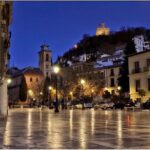
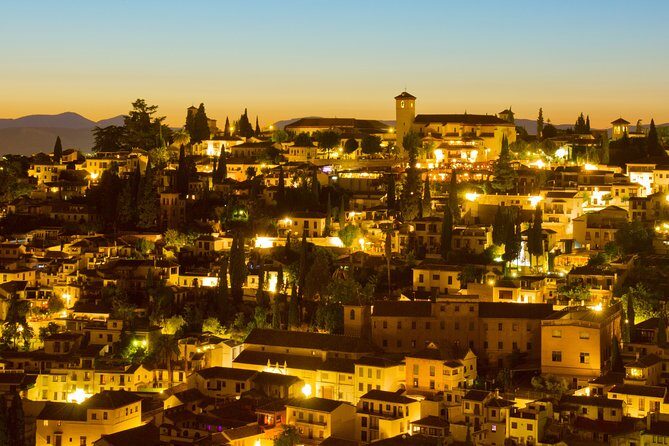
This tour works because it’s timed for the hour when Granada slows down. In daylight, the Albaicin can feel like a big maze. At night, the streets still twist, but the view points make sense. You’re not just walking—you’re moving between moments: river street, hill climb, the big viewpoint, then the café stretch below.
I also like that you’re not doing it as a random self-guided wander. With a guide, you get context while you’re looking at the actual details: street layout, architecture style, and the cultural influences behind what you see. That turns a pretty walk into a more satisfying one—especially if you’ve never been to this area before.
One more practical win: it’s private, meaning only your group participates. That usually helps with questions and photo stops, and it cuts down on the awkward feeling of trying to keep up with strangers who walk faster than you do.
You can also read our reviews of more private tours in Granada

Plaza de Santa Ana: start where you can understand what you’re seeing
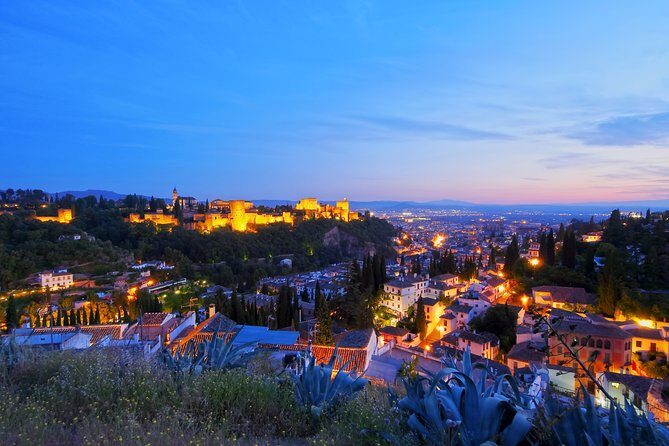
You begin at Abside Shop (Gift Lovers), in the Centro area, and you get going from Plaza de Santa Ana. That first stop matters more than it sounds. Before you climb, your guide gives a brief grounding about the people and cultures that lived in the Albaicin. It’s the difference between seeing buildings and understanding why this neighborhood looks the way it does.
From a value perspective, I love that the tour starts in a real city hub, not in a far-away hotel zone. That makes it easier to arrive and return, and it also helps if you’re using public transport nearby. The tour ends back at the meeting point, so you’re not left trying to figure out a “get out of the old town” route while your legs are tired.
Carrera del Darro: the river street that turns into a hill climb
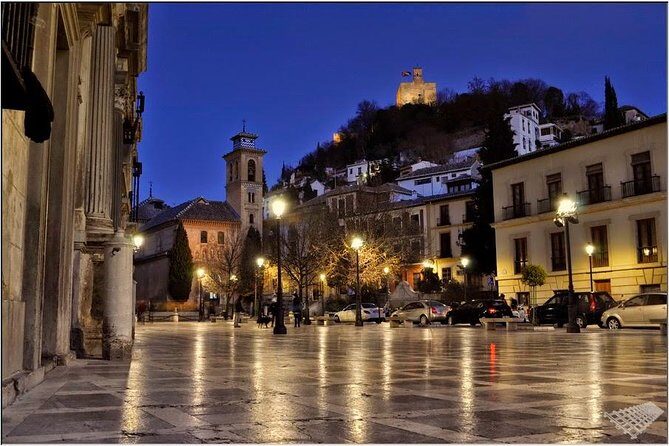
Next comes Carrera del Darro, often cited as one of Granada’s most beautiful streets. You leave the river and start climbing into the Albaicin, passing whitewashed houses and flowered balconies. This is where you start to feel the neighborhood’s charm—but also where you start to appreciate having a guide.
Why it’s worth doing guided: the beauty here can make you forget to look closely. A good guide helps you notice small things like how the streets funnel views, how the architecture fits the slope, and how the area’s Islamic heritage shows up in the feel of the streets and spaces.
The walking style is also something to plan for. This isn’t a flat stroll. Even though you’re only out for a couple of hours, you’ll be going up and down a hillside. If you’ve got moderate mobility issues, you’ll want to take it slower and use the photo stops as breathing breaks.
Mirador de San Nicolás: your big Alhambra moment
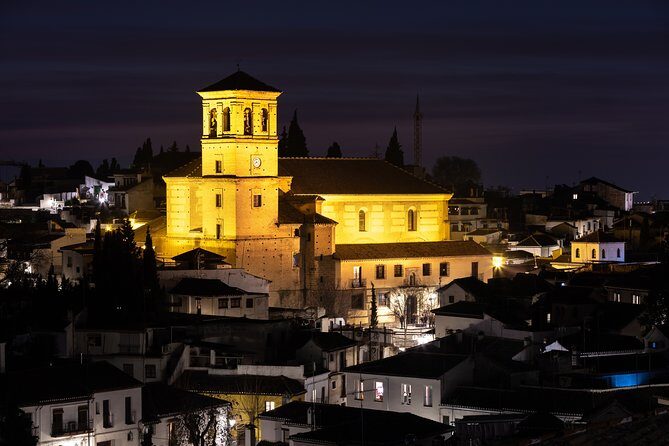
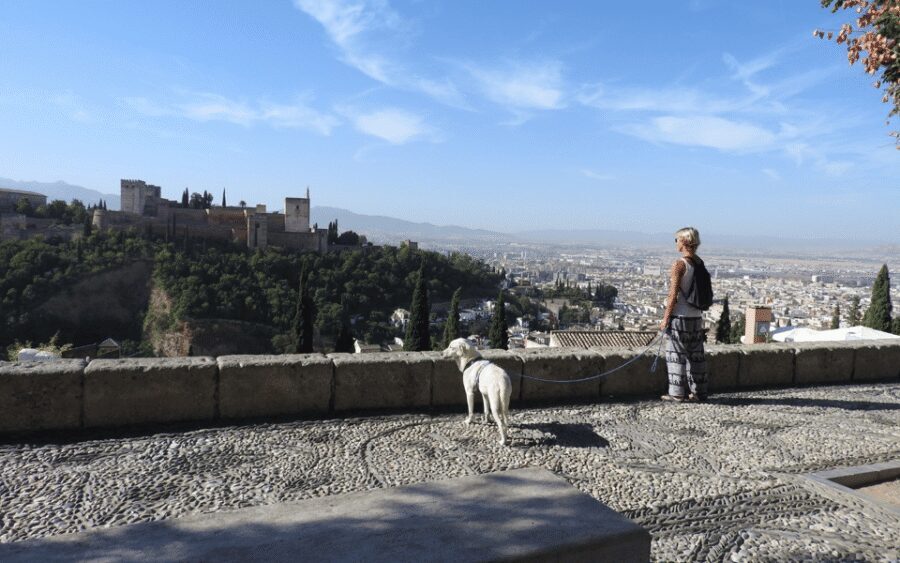
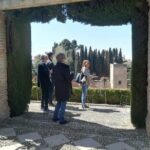
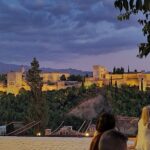
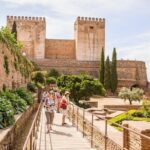
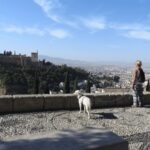
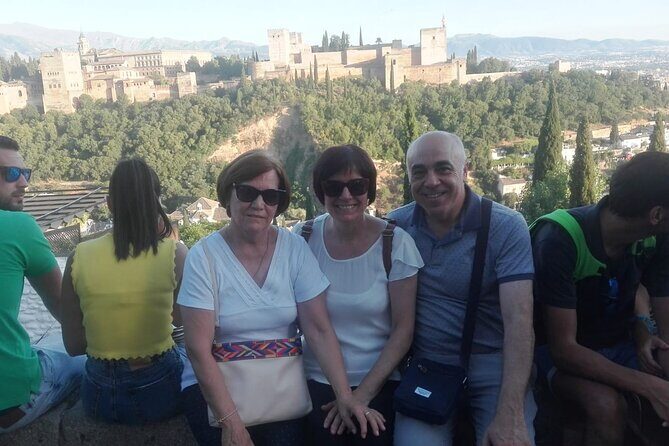
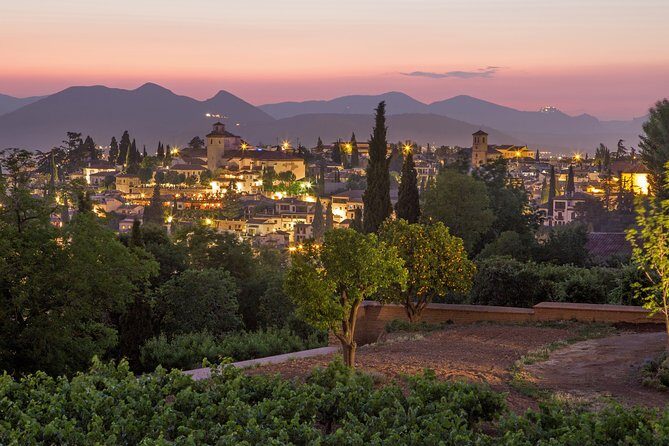
Then you reach the most famous payoff: Mirador de San Nicolás. You’ll have a short stop—about 10 minutes—to take photos and enjoy the view. And yes, this is one of the best places to see the Alhambra from the Albaicin side.
Here’s how to make the most of your time at the viewpoint:
- Decide your photo spots fast. People linger, so it helps to pick your angles early.
- If you’re traveling with someone, agree on what you want first (wide view vs. closer tower/arch angles).
- Use the time to pause, not just click. The biggest memories here are often the still moments.
Also note the practical detail: the stop includes a free admission ticket mentioned for this segment, and the guide will help you handle the flow so you don’t waste minutes figuring out where to stand.
Plaza Larga, Arco de las Pesas, El Salvador, and El Chapiz slope
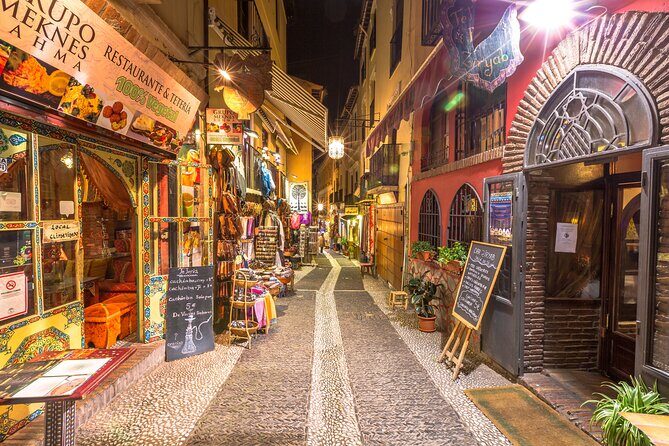
After the viewpoint, the route continues through the heart of the old neighborhood with several quick landmark moments. You’ll pass Plaza Larga, then Arco de las Pesas, and the Church of El Salvador, followed by the El Chapiz slope.
This part is where a guide can really change your experience. Without context, these stops can feel like “we’re walking past things.” With the right explanation, you start linking the geography to the culture: plazas as social anchors, arches as passage points, and churches and architecture as visible layers of different eras.
Even if your group wants photos more than stories, these brief stops are still useful. The Albaicin is famous for winding routes, and these landmarks give you reference points. By the time you reach the lower promenade, you’ll have a mental map instead of just a pile of nice pictures.



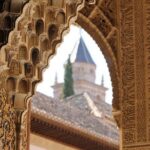
Paseo de los Tristes: finish with cafés and Alhambra in front of you
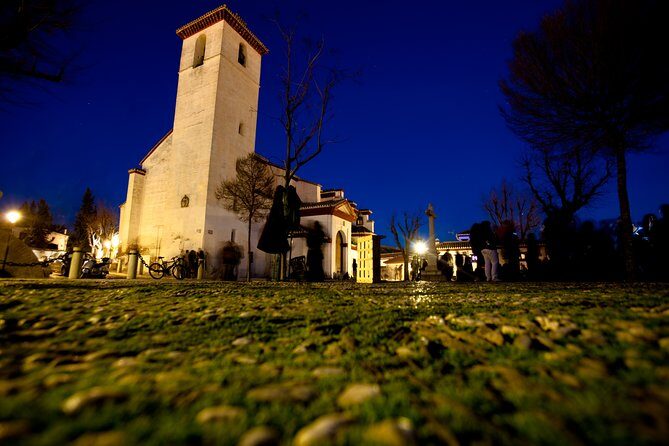
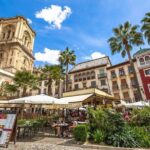
The final stretch goes to Paseo de los Tristes, lined with cafés and restaurants. This is the unwind phase. The Alhambra sits in front of you while you’re down lower, and it feels like the neighborhood is exhaling after the hill climb.
Practically, this is also where you should plan your personal pace. If you want to linger with a glass of wine (food and drinks aren’t included on the tour), this is your chance. If you’d rather just watch the light and keep walking, you can do that too, since the activity is designed around an easy evening rhythm at the end.
One note: since the tour is scheduled in the evening and involves walking, it can be easy to underestimate how tired you’ll be. Use this segment wisely—save your energy for sitting, people-watching, and taking in the view rather than trying to cram in extra stairs on your own right after.
Price and value: what $98.33 per person really buys
At $98.33 per person, this isn’t the cheapest way to tour Albaicin. But it often lands in a fair value zone because you’re not just paying for movement—you’re paying for a professional art historian guide and for the structure of a private route.
Here’s what you’re getting for that price, in plain terms:
- Someone to help you notice what matters (architecture, street patterns, cultural influences)
- A guided route that saves you from backtracking or missing major viewpoint logic
- Photo time at the Mirador de San Nicolás built into the schedule
- A private setup for your group, not a crowded scramble
If you’re comparing this to self-guided walking, the difference is time and interpretation. Self-guided can be cheaper, sure. But if you want to leave with a clearer sense of why the Albaicin looks the way it does, guided interpretation is the value.
Booking typically happens about 30 days in advance on average. That’s not surprising for a popular area at a popular time of day. If you want a specific evening slot, don’t wait until the last week.
What to wear, bring, and expect during the 2–3 hour walk
This tour runs in all weather conditions, so you’ll want to dress for whatever Granada serves up—cool evenings, wind off the hill, or rain. The route is outdoors and involves hills, so shoes matter more than fashion. Think stable soles. You’ll feel the slope even if the tour lasts only a short chunk of time.
What to bring:
- Your own headset is recommended. That matters because a guide’s voice can get swallowed by street noise.
- A personal mask is required, and social distancing is expected during the experience.
- You may want to bring a light layer even if the afternoon was warm.
It’s also useful to know the tour says it operates near public transportation, which helps if you’re mixing this with other stops in the city. And yes, it ends back at the meeting point, which simplifies your evening planning.
How the guide really affects your experience
With tours like this, the guide’s style becomes part of the product. The inclusion of a professional art historian guide is a good sign: ideally, you’ll get explanations that make the details click.
That said, one downside reported is that a guide’s English wasn’t strong and the commentary wasn’t very detailed. Since you can’t control guide quality after booking, the smart move is to set expectations ahead of time. If your preferred language is essential to you, confirm what languages the guide uses before you go, or choose this tour only if you’re comfortable with a lighter explanation style.
Also, don’t be afraid to ask basic questions. In a small private group, even a brief back-and-forth can turn a stop from “passing by” into “okay, now I get it.”
Who should book this Albaicin and Sacromonte private tour
This experience is a great fit if:
- You want an evening walk with clear Alhambra viewpoint timing
- You’d rather have someone guide you through the Albaicin than rely on a map
- You like architecture and neighborhood context while you’re walking
- Your group prefers a private pace over sharing narrow streets with many others
It might be less ideal if:
- You need a very content-heavy narrative in your exact language
- Your mobility is limited. The route includes climbing up and down slopes, and a moderate physical fitness level is required.
One more thought: the name includes Sacromonte, but the stops you’ll follow here focus on the Albaicin side and the viewpoints. If you’re specifically hunting Sacromonte performances or cave-area time, you’ll want to check that your tour experience matches what you expect.
Should you book it
I’d book this if you’re going to Granada once, you want the classic Albaicin atmosphere, and you like the idea of getting viewpoint time with context instead of just wandering. The Mirador de San Nicolás stop plus the structured route through streets and landmarks is a solid combo for a 2–3 hour evening.
Skip it (or reconsider) if your priority is a long, deep lesson in one specific language, or if you know you’ll struggle with a hillside walk. For most visitors, though, this is a practical way to see the Albaicin at the right time of day—and leave with more than just photos.
FAQ
How long is the Albaicin and Sacromonte private tour?
It lasts about 2 to 3 hours.
What does the tour cost?
The price is $98.33 per person.
Where does the tour start and end?
It starts at Abside Shop (Gift Lovers), Pl. de Villamena, 5, Local 1-2, Centro, 18001 Granada, Spain, and ends back at the meeting point.
What’s included in the price?
A professional art historian guide is included.
Are food and drinks included?
No. Food and drinks are not included.
Does the tour include public transportation?
Transportation to and from attractions isn’t included.
What if it rains or the weather is bad?
The tour operates in all weather conditions, so you should dress appropriately.