REVIEW · ALBAICIN & SACROMONTE TOURS
Granada Citycenter&Albayzin
Book on GetYourGuide →Operated by Gazal Tours · Bookable on GetYourGuide
Granada is more than the Alhambra, and this tour is built to prove it fast. In just two hours, you’ll bounce between the big monuments and the old street texture that makes Granada feel like Granada. The focus is on the historic core + Albayzín UNESCO neighborhood, so you’re not stuck only staring at one famous site.
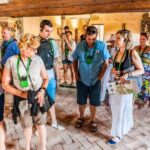
I especially like the small-group size (max 12), because the guide can actually answer questions without sounding like a megaphone. I also love the use of headsets when the group is larger, since it helps you catch the cultural details even on windy viewpoints and noisy streets.
One drawback to plan for: this is a real walking tour with cobblestones and a climb up to San Nicolás, so it’s not for anyone who struggles with steep, uneven ground. Also, there are no strollers and it isn’t suitable for wheelchair users.
In This Review
- Key highlights worth planning for
- Granada Citycenter to Albayzín: what this 2-hour walk is really for
- Plaza Isabel la Católica start: getting your bearings before Albayzín turns steep
- Corral del Carbón: the rare Nasrid-period alhóndiga stop
- Alcaicería and Plaza Bib-Rambla: souk energy, crafts, and churros timing
- Granada Cathedral, Royal Chapel, and La Madraza: styles, symbolism, and nearby drama
- Carrera del Darro and the “water” stops: Bañuelo, museum, and Aljibe de Trillo
- The climb to Mirador de San Nicolás: your Alhambra view payoff
- What makes this tour good value at about $17
- Logistics you should know before you step onto the cobblestones
- Should you book Granada Citycenter and Albayzín with this local guide?
- FAQ
- How long is the Granada Citycenter & Albayzín tour?
- Where do I meet the guide?
- Is this tour suitable for wheelchair users or strollers?
- Does the tour include monument tickets?
- Is food or drink included?
- Are headsets provided?
- What should I bring?
Key highlights worth planning for

- Small group (max 12) means you’ll get more guide attention than you do on big bus tours
- Headsets help you hear the guide clearly from stop to stop
- Corral del Carbón gets real context: the only preserved Nasrid-period alhóndiga in Spain
- Alcaicería connects Granada’s crafts (including fajalauza style work and inlay) to the feel of older souks
- Mirador de San Nicolás is your payoff climb, with Alhambra views when the light cooperates
- Carrera del Darro + water stops add variety beyond just palaces and plazas
Granada Citycenter to Albayzín: what this 2-hour walk is really for
This tour is designed for the people who feel they’ve been handed a map to Granada but not the story behind it. You get the Cathedral, Royal Chapel, old market streets, then you shift into Albayzín’s maze of lanes. If you’re short on time, this is a practical way to see the “everyday important” Granada parts, not only the headline attraction.
At $17 per person for about two hours, the value is less about ticking boxes and more about having an official local guide connect the dots. You’re also paying for the format: a controlled route, small group pacing, and headsets (provided when the group size calls for it). That’s hard to replicate on your own, especially in Albayzín, where it’s easy to wander in circles.
The tour is also a good fit if you like culture that’s lived-in and physical. You’re walking through neighborhoods and stepping into heritage sites, so it’s not just photos and opinions. Bring comfortable shoes and water, because the ground isn’t always forgiving.
You can also read our reviews of more tours and experiences in Granada.
Plaza Isabel la Católica start: getting your bearings before Albayzín turns steep
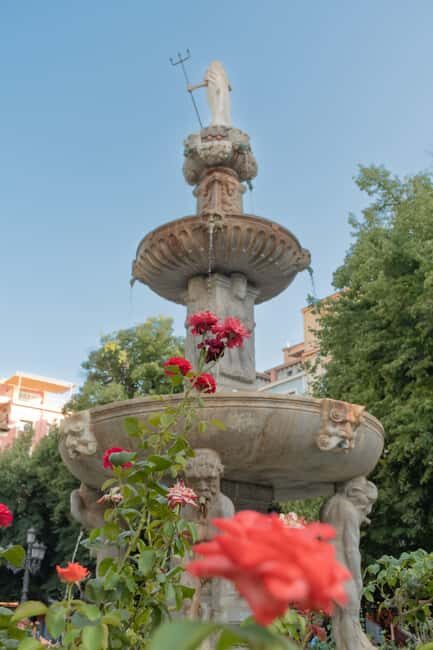
You’ll meet at Plaza Isabel la Católica, and the guide will be easy to spot: look for the light blue umbrella next to the statue. Starting at a central, recognizable point matters. It lets you orient quickly, so the tour doesn’t feel like it begins mid-escape-room.
From there, the route builds momentum toward Granada’s historic layers. You start in the city center, where the monuments feel “official,” and then you transition toward Albayzín, where streets tighten and the vibe changes. It’s a smooth way to shift from public Granada to neighborhood Granada.
This early setup is also helpful for photos. You’re not chasing your first picture after you’ve already climbed. Instead, you get a clean first chapter before the streets start doing their best impression of a labyrinth.
Corral del Carbón: the rare Nasrid-period alhóndiga stop
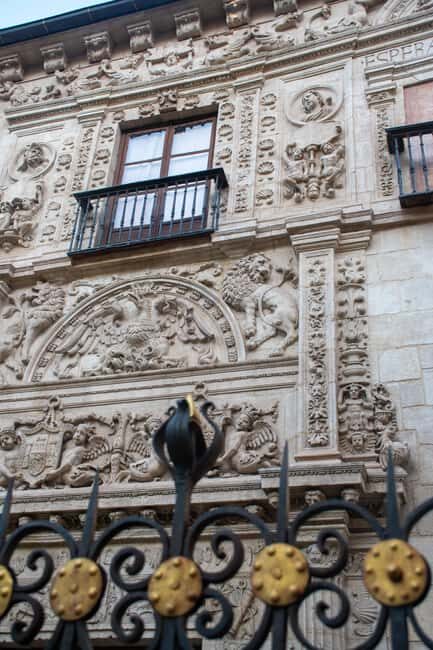
One of my favorite parts of this route is Corral del Carbón, because it’s not a generic stop name. The guide focuses on what it was: the only preserved alhóndiga from the Nasrid period in Spain. That’s the kind of detail that changes how you look at a building, not just how you move past it.
Even if you’re not a monument-nerd, you can feel why this matters. An alhóndiga was a place tied to trade, storage, and movement—basically a practical engine of the old city. Seeing it with context helps you understand Granada as a working crossroads, not a museum set.
The downside is timing. This tour moves steadily, so you’ll want to keep your questions crisp and let the group flow. If you’re the type who needs a long, quiet read of every wall inscription, you might feel mildly rushed here.
Alcaicería and Plaza Bib-Rambla: souk energy, crafts, and churros timing
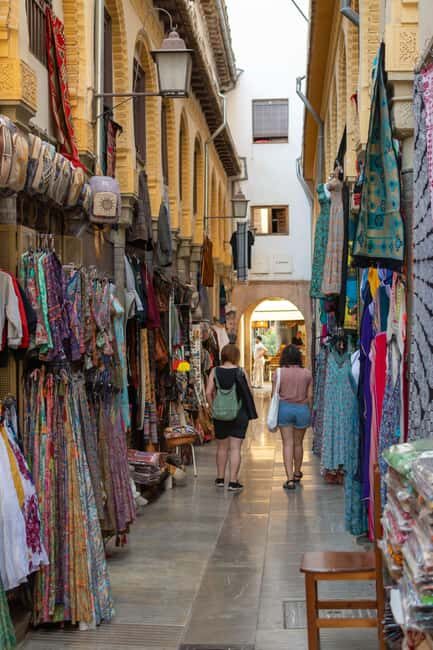
Next comes the Alcaicería, an old souk street that carries a very particular feeling. The walk here is about more than atmosphere—it’s about what people bought, made, and showed off. You’ll also see traditional Granada luxury crafts, including inlay work and fajalauza style pieces.
One smart thing the guide can do with a stop like this is connect it to what you may recognize from other cities. The route explicitly compares the souk feeling to the markets of Marrakech, which helps you understand what you’re looking at even if you’ve never been to Granada before.
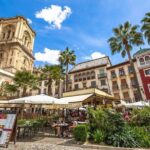
Then you’ll reach Plaza Bib-Rambla, one of the city’s best-known squares with lots of stories in its setting. It’s also where the tour points you toward a food classic: the best chocolate and churros get a spotlight here. That’s useful, because in Granada you can easily end up in the wrong café just by wandering.
Practical note: if you want churros and chocolate, plan it as a short stop. A big sit-down can steal time from the climb later, and the Albayzín portion of the tour is where you’ll feel the benefit of staying on schedule.
Granada Cathedral, Royal Chapel, and La Madraza: styles, symbolism, and nearby drama
Granada’s monuments hit harder when you see how they relate to each other. This part of the tour is all about that “close together” effect: the guide keeps you moving between key religious and cultural landmarks without breaking the story.
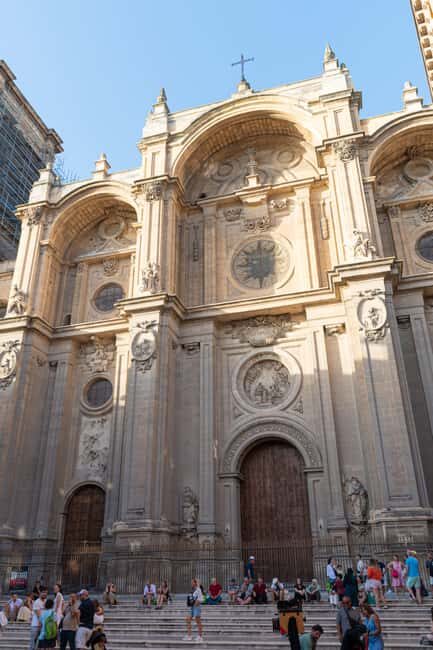
At Granada Cathedral, you’ll learn how it’s built from three different architectural styles. You’ll also notice the guide’s attention to details on the walls, including medieval graffiti. That’s a great reminder that these places weren’t always quiet and polished. People lived around them, used them, and left marks.
Next is the Royal Chapel of Granada, the mausoleum of the Catholic Monarchs. What makes it especially compelling on this route is placement: it’s right in front of the Madrasa. The tour uses that relationship to help you read the area as a designed statement of power, learning, and faith working side by side.
La Madraza adds the educational layer to the religious and royal narrative. Even if you don’t memorize every term, you’ll leave with a better sense of how Granada’s institutions functioned. If you like when a guide turns architecture into meaning, this is one of the best stretches of the walk.



Carrera del Darro and the “water” stops: Bañuelo, museum, and Aljibe de Trillo
After the monuments, the tour slows into Granada’s scenic storytelling mode along Carrera del Darro. This is where you start trading monumental grandeur for lived detail. The guide talks about the Bañuelo and the Archaeological Museum, which gives you more threads to pull than a standard “walk past buildings” approach.
This stretch matters because it shows how Granada worked day to day. Streets like Carrera del Darro weren’t just pretty for postcards—they were corridors of activity, and the water-related heritage points you toward that practical side. You’re also moving along a route that naturally sets up the climb later.
Then you’ll visit Aljibe de Trillo, a water cistern stop that fits the theme beautifully. Aljibes in Granada aren’t just interesting objects; they’re survival technology. When a guide explains that, the city stops feeling like scenery and starts feeling like a system built to endure.
A small caution: because you’re walking through older streets and heritage areas, the ground can be uneven. Keep an eye on your footing, especially if you’re stopping to look back for photos.
The climb to Mirador de San Nicolás: your Alhambra view payoff
Albayzín is where Granada turns into its famous self: narrow lanes, steep streets, and a maze that feels like it was built for moving slowly. The tour continues beyond Gran Vía into the Albayzín neighborhood, which is part of UNESCO recognition. You’ll feel why it’s protected—this is a living, spatial heritage, not only an architectural one.
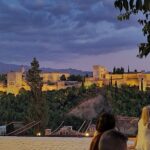
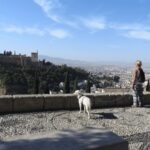
Your final destination is Mirador de San Nicolás. This is the part you’ll remember, mainly because of the viewpoint payoff. In particular, you can expect views toward the Alhambra, and the climb makes the picture feel earned.
You should also plan for the physical side. One of the more important considerations here is that this last segment includes climbing and cobblestones. If you’re fit and comfortable on uneven ground, it’s totally manageable. If not, you’ll still get the experience, but the route could feel more demanding than you expect for a “2-hour tour.”
Tip for photos: if you’re thinking about a group shot, take it near the end of your walking energy, not at the halfway point. You’ll want your camera ready when the viewpoint opens up and the light hits.
What makes this tour good value at about $17
I like pricing like this because it’s hard to argue with the structure. $17 for roughly two hours, with a local and official guide, plus headsets (when needed) and a small group format, is usually better than trying to DIY and pay for the guide-quality context separately.
Also, the itinerary design matters. The stops aren’t random; they’re arranged so you can understand Granada in layers: Nasrid-period trade memory at Corral del Carbón, souk street craft at Alcaicería, power and faith through Cathedral and Royal Chapel, then neighborhood Granada through Albayzín and your final viewpoint.
Just don’t confuse “guided” with “everything included.” Monument tickets are not included, and food and drinks are not included. That means you’ll want to budget a bit for anything you specifically choose to enter or buy. It also means you keep control of your pace when it comes to snacks.
If you’re traveling solo, this kind of tour is also a good way to stop overthinking routes. You get a plan with built-in storytelling, and you don’t spend your whole day asking yourself, Did I just take the wrong street again?
Logistics you should know before you step onto the cobblestones
This is a walking tour, and the pace reflects that. You’ll be on your feet for about two hours, moving between key areas of Granada center and Albayzín. Bring water and wear shoes you can trust on uneven surfaces.
The group stays small—maximum 12 people—but that doesn’t mean it feels slow. The point is coverage with context. So if you’re sensitive to walking uphill or standing at viewpoints for photos, you’ll want to take it steadily and be ready for the climb.
Accessibility is limited. The tour is not suitable for wheelchair users, and baby strollers aren’t allowed. If you’re traveling with mobility constraints, you’ll need a different plan.
Finally, tickets and transport aren’t included. There’s no hotel pickup, and you’ll meet at Plaza Isabel la Católica by the light blue umbrella. If you’re using public transit or walking from a nearby hotel, give yourself a few extra minutes to arrive calm, not sprinting.
Should you book Granada Citycenter and Albayzín with this local guide?
Book it if you want Granada in one compact storyline: major monuments, market streets, and the UNESCO Albayzín neighborhood, ending at San Nicolás with Alhambra views. The small group and headsets are real quality-of-life upgrades, and the guide’s focus on culture makes the stops feel connected instead of scattered.
Skip it or reconsider if you hate climbing, struggle on cobblestones, or need stroller or wheelchair-friendly routing. This tour rewards comfortable walkers who can handle uneven ground.
If you’re the kind of visitor who likes to understand what you’re seeing—why a building mattered, what a craft represented, and how neighborhoods evolved—this is a smart use of a short day in Granada. You’ll walk away with a fuller sense of the city, not just a list of highlights.
FAQ
How long is the Granada Citycenter & Albayzín tour?
It lasts 2 hours.
Where do I meet the guide?
Meet at Plaza Isabel la Católica and look for the light blue umbrella next to the statue.
Is this tour suitable for wheelchair users or strollers?
No. It is not suitable for wheelchair users, and baby strollers aren’t allowed.
Does the tour include monument tickets?
No. Tickets to the monuments are not included.
Is food or drink included?
No. Food and drinks are not included.
Are headsets provided?
Yes. Headsets are included from groups of 6 people.
What should I bring?
Wear comfortable shoes and bring water.