REVIEW · GRANADA
Granada: Moorish Monuments Entrance Tickets
Book on GetYourGuide →Operated by Distributor: GetYourGuide Tours & Tickets GmbH · Bookable on GetYourGuide
Albaicín is where Granada feels most Moorish, most human. This ticket strings together five Muslim heritage stops in one day, so you can roam the cobblestoned lanes and move between baths, trade, care, and palace life without a group schedule. I especially like that it’s truly self-guided at your own pace, yet you still get line-skipping convenience. One drawback to consider: you may find the interpretive info on-site uneven, and one review flagged QR/audio issues.
What I love most is how the sites cover daily life, not just big-name monuments. You start with El Bañuelo, then pass through Corral del Carbón’s old economic world, see the Maristán connected to Sultan Muhammad V, and finish with the palace setting of Dar al-Horra. The main thing you’ll want to plan around is simply time and walking: doing all five well means you should start early and keep moving between stops.
In This Review
- Key things to know before you go
- Why Albaicín and Moorish sites are a great match for one day
- Price, value, and the Sunday twist
- How to plan your self-guided walk without wasting time
- Stop 1: El Bañuelo, the bathhouse that makes Moorish life feel real
- Stop 2: Corral del Carbón and the architecture of trade
- Stop 3: Maristán, a 14th-century hospital tied to Sultan Muhammad V
- Stop 4: Casa Morisca de Horno de Oro, a Moorish house with Alhambra views
- Stop 5: Dar al-Horra Palace, a Nasrid residence to end on
- What works best for you (and who should skip this style of ticket)
- Where the experience may frustrate you: signage and audio quirks
- Should you book Granada Moorish Monuments Entrance Tickets?
- FAQ
- Which monuments are included?
- How long does this experience take?
- Do I need a guide or will there be one?
- Can I visit the monuments in any order?
- Is an audio guide included?
- Do I need to bring anything?
- Is the ticket valid only on the day of purchase?
- Is admission free on Sundays?
- How many children can be booked per adult?
Key things to know before you go
- A self-guided route across Albaicín means no group herding and flexible ordering of the sites
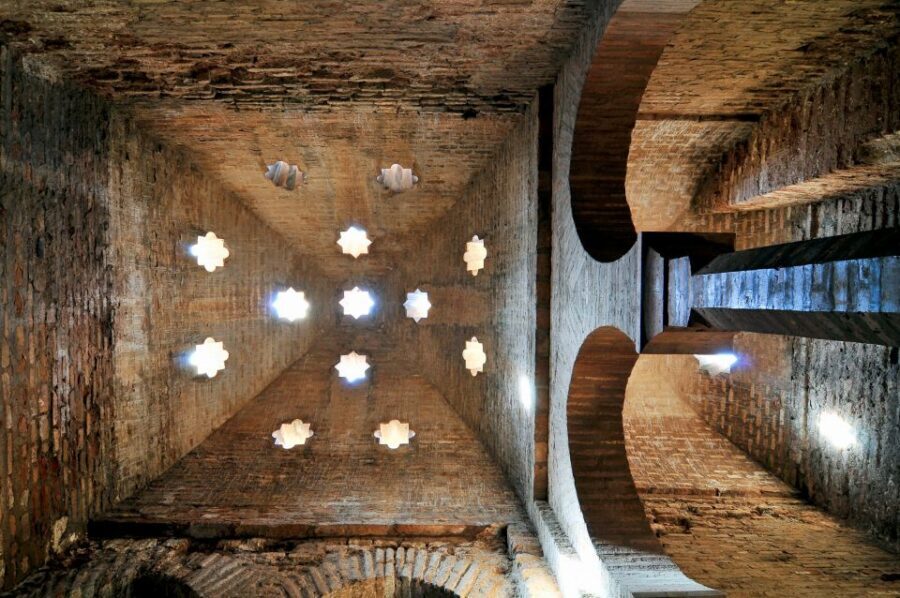
- El Bañuelo is the standout for many visitors, especially for its bathhouse atmosphere
- Corral del Carbón connects architecture to everyday trade, with grain/warehouse/traveler functions
- Maristán points to the 14th-century hospital work attributed to Sultan Muhammad V
- Casa Morisca de Horno de Oro is worth it for its well-preserved house feel and Alhambra views
- Dar al-Horra (Nasrid palace) is a satisfying final stop if you enjoy how power lived inside rooms
Why Albaicín and Moorish sites are a great match for one day
If you only have limited time in Granada, Albaicín is a smart base for understanding the city’s layers. This area gives you the narrow lanes, the stair-step streets, and the slow-breathe mood that helps Moorish-era sites make sense beyond walls and dates. Instead of bouncing between far-apart attractions, you can keep your day concentrated: baths, markets, a hospital institution, a house, then a palace.
The ticket also makes one important travel philosophy easy: you don’t need to sprint through everything to get value. It’s built for walking and lingering. You’re free to choose the order, so you can match your route to sunlight, your energy, and what you feel like doing most in the moment.
You can also read our reviews of more tours and experiences in Granada


Price, value, and the Sunday twist
At about $14 per person for entry to the included sites, this feels like one of the better ways to pack multiple monuments into a single day. You’re paying for five separate admissions, and the list is diverse: a major bathhouse, a historic trade complex, a hospital founded in the 1300s, a Moorish house, and a Nasrid palace.
Here’s the catch that changes the math: on Sundays, admission to all of the monuments is free. If you’re deciding based purely on cost, Sunday can be a better deal than a weekday. If you go on a weekday, the paid ticket starts looking more like a bargain—especially because you’ll also skip the ticket line.
How to plan your self-guided walk without wasting time
This is not a guided tour. That’s good news if you want control, and it can be a headache if you’re expecting constant narration. You’ll make your own way to each monument, and you can visit in any order, which helps if one stop is running slow or you just want to reverse course for views.
You should plan for:
- A steady start: five sites in one day means you’ll want extra buffer time for climbing and getting from one door to the next.
- A pace that includes pauses: these places are more about atmosphere and spatial experience than quick photos.
- Your ID: bring your passport or ID card, since it’s required.
Also, your ticket is valid only for visiting all monuments on the same day. That means you can’t “save one for tomorrow” if you run behind.
Stop 1: El Bañuelo, the bathhouse that makes Moorish life feel real
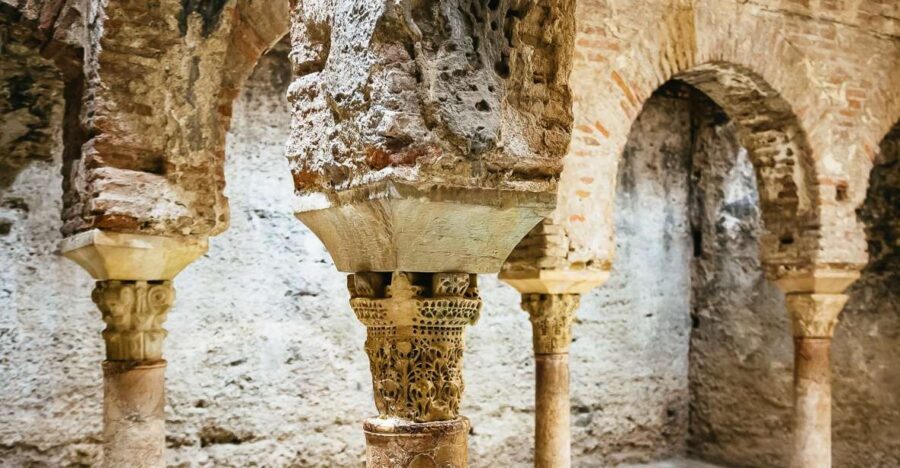
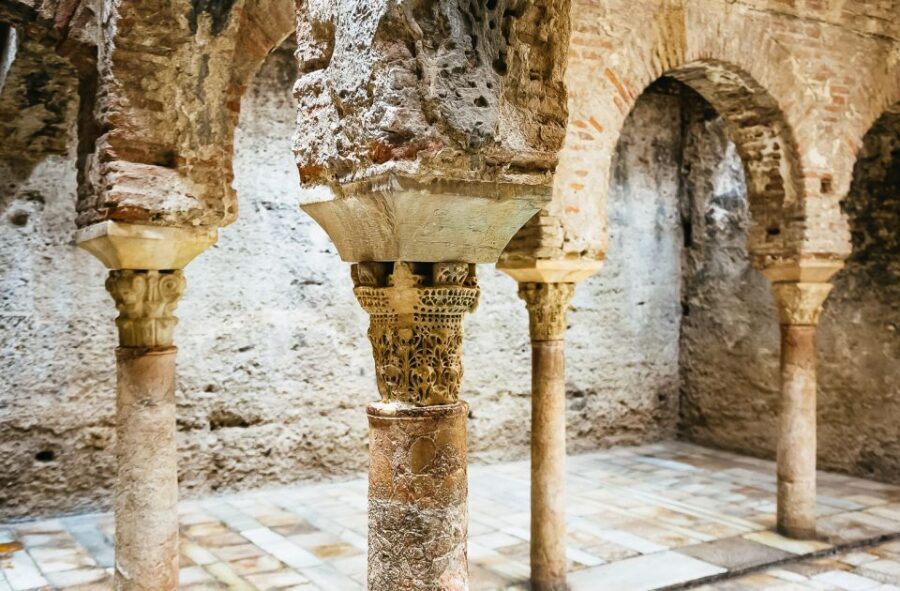
El Bañuelo is included, and it’s widely treated as the anchor of the day. It’s described as one of the best-preserved Arab bathhouses in the region, and you’ll feel why as soon as you’re inside: the spaces are designed for ritual and physical bathing, not just display.
Why this stop matters:
- A bathhouse is everyday life, but with rules, temperature changes, and movement between rooms. Even without a guide, you can sense the logic of the place.
- It’s a rare chance to understand how people spent time in a setting that was part hygiene, part social routine, and part cultural rhythm.
What to watch for during your visit:
- Take your time in the chambers. The value here comes from understanding how rooms relate to each other, not from racing past them.
- If you’re someone who likes architecture details, you’ll likely enjoy the way the space guides you through the process.
A practical consideration: since this is self-guided and no audio guide is included, go in ready to read what you find. If you prefer lots of interpretive signage, your experience may depend on what the site provides on the day.
Stop 2: Corral del Carbón and the architecture of trade
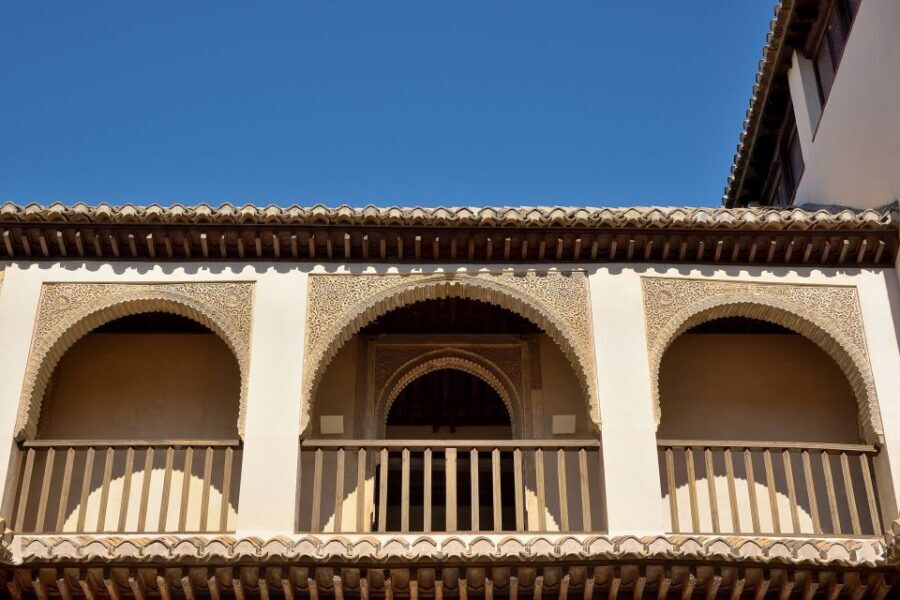
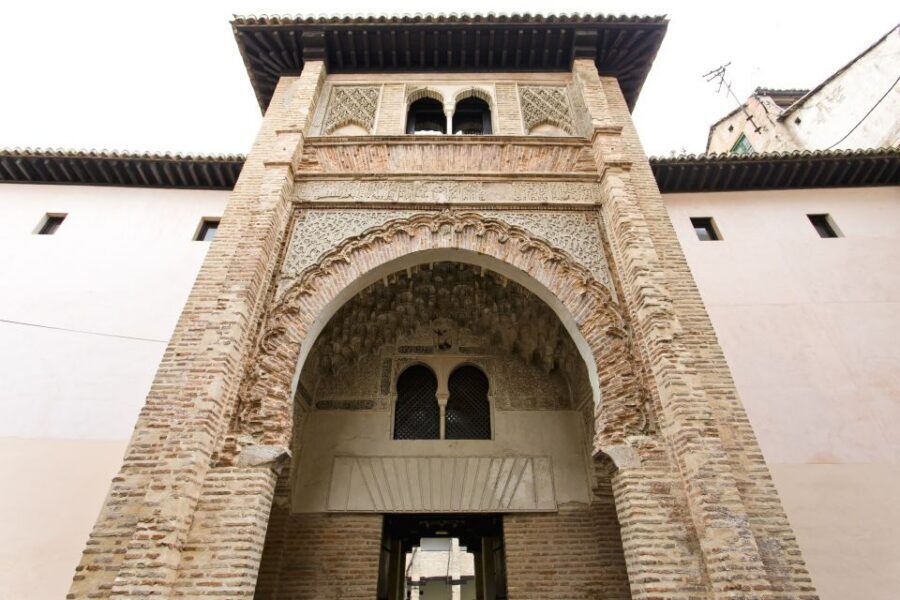
Corral del Carbón is an ancient traders’ market—an important detail because it reframes what you’re seeing. Instead of thinking of a Moorish monument as only “palace-like,” this reminds you that Granada’s history was also commerce, storage, and travel.
This complex is described with a lot of functional history:
- the facade you can admire as you pass through
- an old grain depot and warehouse
- and a traveler’s hostel component
In other words, it’s not just a pretty entryway. The building tells you how goods moved and how people passed through.
How to get more out of it:
- Slow down at the entry and facade. That’s the moment where the building earns its keep.
- If you like urban history, try mentally placing this market into the street-life of Albaicín. It helps the rest of the day click.
One drawback to keep in mind: some sites in the bundle may not feel equally rewarding for everyone. Corral del Carbón is one of the more story-rich stops, so if you’re picking favorites, this is a strong candidate.

Stop 3: Maristán, a 14th-century hospital tied to Sultan Muhammad V
The Maristán is one of those stops where the monument’s meaning goes beyond decoration. It’s described as a hospital founded by Sultan Muhammad V in the 14th century. That specific date and patron matter, because it links the site to institutional life, not only royal aesthetics.
Even on a self-guided visit, this stop can hit hard in a good way: you’re seeing how care was organized in a historical city. It’s a reminder that medicine, charity, and governance were interconnected—very different from how we often talk about the past.
What I’d suggest you do here:
- Don’t rush. A hospital complex reads best when you let the space breathe.
- If you enjoy context, try connecting this stop to what you learned from the bathhouse. Both are about bodies and routine, just in different settings.
A balanced note from real-world experience: at least one reviewer felt the old hospital stop didn’t add as much value as expected, especially compared with the bathhouse. If your priorities are visual atmosphere and dramatic architecture, this might feel more restrained.
Stop 4: Casa Morisca de Horno de Oro, a Moorish house with Alhambra views
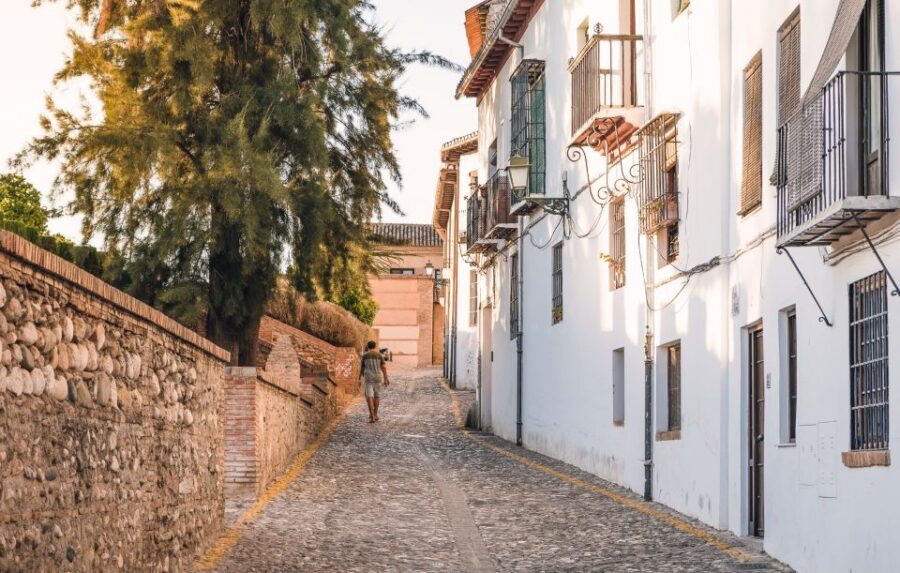
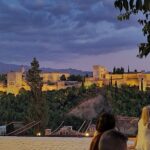
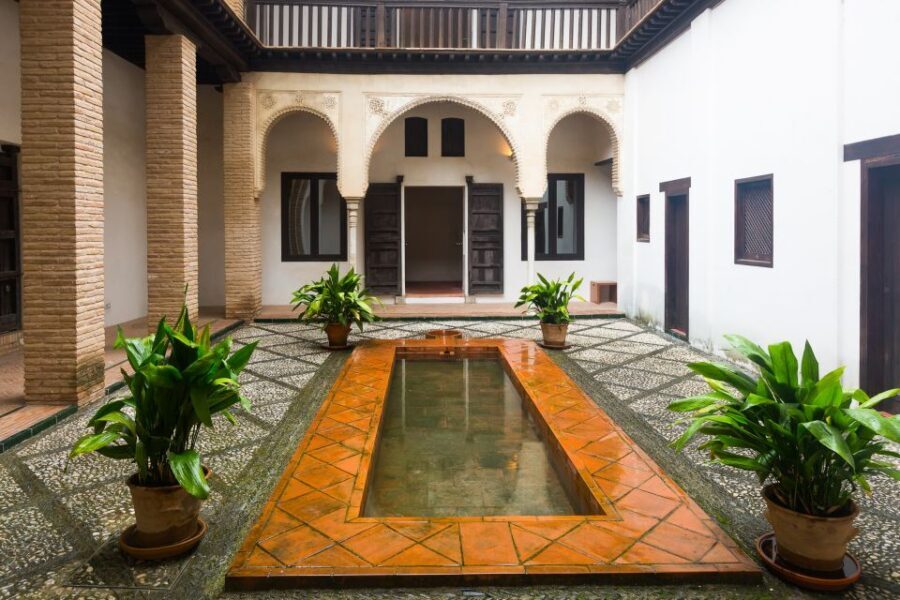
Casa Morisca de Horno de Oro is included, and it’s described as a well-preserved Moorish house with views of the Alhambra. That view detail is a big deal. In Granada, the Alhambra isn’t just a landmark—it’s the backdrop that turns a house visit into a live relationship between neighborhoods.
Why it’s worth time:
- You get a sense of domestic space and how private life was shaped by the city’s geography.
- The preserved house aspect helps you picture how rooms and daily movement worked in a period residence.
How to approach it:
- Look for how the interior connects with what you can see from it. That’s where the “house with views” part becomes more than a selling line.
- If you like quieter stops, this one can be a good breather between more atmospheric sites.
Still, be aware: not every included stop will feel equally compelling. One review suggested the Maristán and the house offered less value than the bathhouse. That doesn’t mean they’re bad—it just means you should manage expectations and let your preferences guide your pacing.
Stop 5: Dar al-Horra Palace, a Nasrid residence to end on
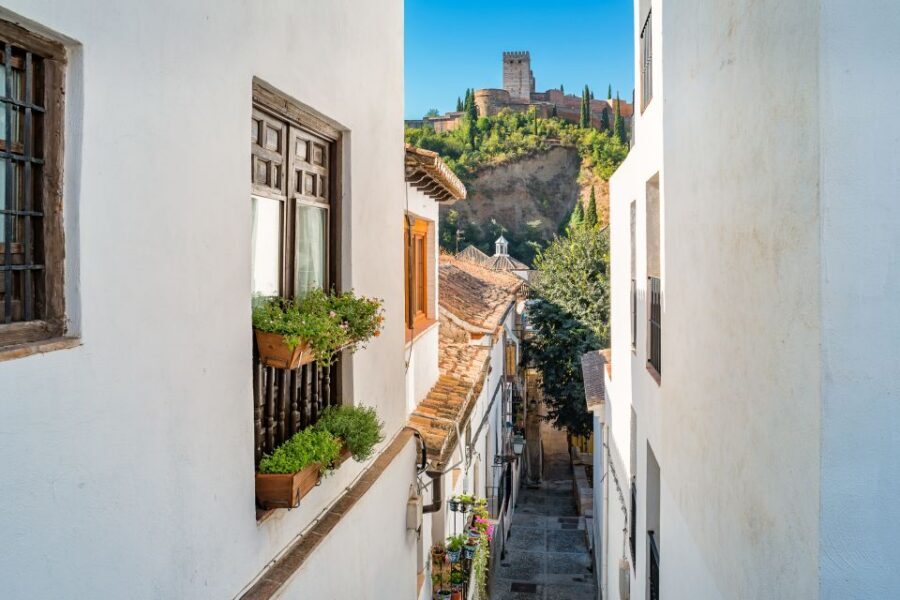
Finish at Dar al-Horra Palace, described as a Nasrid palace of a former Sultan’s residence. If you’ve been collecting clues all day—from public life to cared-for bodies to trade and daily living—this ending gives the day its power structure.
A Nasrid palace is typically about more than rooms. It’s about how rank and household life were expressed through space. Even if you’re not a palace person, Dar al-Horra can be a satisfying capstone because it’s tied to the idea of how rulership was lived, not only how it looked.
My practical tip: treat this as your slowest stop of the day.
- You’re closer to your goal, so it’s tempting to skim.
- Don’t. The palace experience lands best when you let the rooms unfold and you give yourself a calm ending.
If you’re trying to maximize meaning, take a minute before you enter: think about how the day’s previous sites relate to what power required—security, storage, institutions, and social routines.
What works best for you (and who should skip this style of ticket)
This ticket style is best for people who like independence. You’ll probably enjoy it if:
- you want five sites in one compact region without committing to a guide’s timing
- you like wandering streets and letting each place set your pace
- you’re comfortable reading on-site information and figuring things out as you go
It can be less ideal if:
- you strongly depend on audio explanations to understand spaces
- you hate walking days with lots of stair-stepping
- you need very consistent signage at every room
Families can usually manage it, but there’s one constraint to remember: a maximum of 3 children is allowed for every adult booking. If you’re traveling with more kids, you’ll need separate bookings.
Where the experience may frustrate you: signage and audio quirks
One theme to keep in mind from real feedback is information quality. The ticket itself is straightforward—entry to the listed monuments—so the experience depends heavily on how each site presents context.
Two issues came up:
- Some visitors wanted more explanation about different rooms in the bathhouse and felt written or audio info would help overall.
- Another reviewer reported that there were few signs and that QR codes for audio guides didn’t work, which made the visit feel less engaging.
You don’t need to panic. You can still have a great day. But you should adjust your expectations:
- Bring a “read what’s here” attitude.
- If audio is a must for you, plan to use whatever is on-site, but don’t assume it will function perfectly.
A simple way to protect your day: keep your priorities flexible. If one site feels light on interpretation, shift your focus to architecture, layout, and atmosphere rather than trying to force a narrative.
Should you book Granada Moorish Monuments Entrance Tickets?
Book it if you want a flexible, low-cost day that covers a lot of Moorish-era life in Albaicín. For the money, the mix is strong, and El Bañuelo is the kind of stop that can justify the whole schedule on its own. If you like walking and don’t need constant guidance, this is a smart way to spend limited time in Granada.
Don’t book it (or rethink it) if you:
- travel on a Sunday expecting a paid benefit—admission is free that day
- rely heavily on working audio/QR interpretation
- want a guide to translate every room into a clear story
If you do go, I’d plan your order around energy, start early enough to avoid rushing, and treat Dar al-Horra as your closing act rather than a quick checkbox. That approach turns a ticket into a satisfying day walk through Granada’s Moorish world.
FAQ
Which monuments are included?
Your ticket includes entry to Corral del Carbón, El Bañuelo, Casa Morisca (Horno de Oro St.), Maristán, and Dar al-Horra Palace.
How long does this experience take?
It’s valid for 1 day. You’ll explore the monuments at your own pace.
Do I need a guide or will there be one?
No tour guide is included. This is self-guided, and you visit each monument on your own.
Can I visit the monuments in any order?
Yes. You can visit the sites in any order.
Is an audio guide included?
No. Audio guide is listed as not included.
Do I need to bring anything?
Yes. Bring a passport or ID card.
Is the ticket valid only on the day of purchase?
Your ticket is valid to visit all of the monuments on the same day. You’ll want to plan your route so you can do all five in one day.
Is admission free on Sundays?
Yes. On Sundays, admission to all of the monuments is free.
How many children can be booked per adult?
A maximum of 3 children is allowed for every adult booking. Bookings with more than 3 children must be made separately.