REVIEW · GRANADA
From Granada: Alpujarra Mountain Villages Tour
Book on GetYourGuide →Operated by GRANAVISION Incoming & DMC · Bookable on GetYourGuide
White villages, twisty mountain roads, good food.
This day trip into La Alpujarra turns a long bus ride into real culture time, with Mozarabic-style white houses and high-altitude scenery guiding the day. I especially love the relaxed pacing—short guided stops plus real free time—and I also like that the day has built-in local flavor, from mineral water stories to a ham-centered tasting. One thing to consider: it’s a long day (about 8–10 hours), and the roads are very winding, so pack a layer and plan for some motion.
The best part is the mix: guided viewpoints and village context, then enough time to wander without feeling rushed. I’m also a big fan of the food stop structure—tastings first, then an optional traditional lunch in the mountains, so the day feels like a full experience rather than “see and go.”
The main drawback is weather and comfort. In colder months, mountain air can feel sharp, and the ride can be bumpy—so if you get motion sickness easily or you’re sensitive to chill, you’ll want to show up prepared.
In This Review
- Key highlights you’ll feel immediately
- Why the Alpujarra feels like a different Spain
- Granada pickup to Alpujarra: how the long drive actually works
- Lanjaron first stop: mineral-water town energy
- Pampaneira’s hour of free time: wander without a checklist
- Portugos and Fuente Agria: the Fountain of Sourness moment
- Trevélez: Spain’s highest village and the cured-ham culture
- Capileira break time and the lunch choice with mountain views
- Food and tastings: how the day stays more than a drive
- Value check: is $80 a good deal for an 8–10 hour day?
- Who should book this Alpujarra day trip
- Who should think twice
- Tips to make the day smoother (and more enjoyable)
- Should you book La Alpujarra from Granada?
- FAQ
- How long is the Granada to Alpujarra day trip?
- What’s included in the ticket price?
- Will the guide speak English?
- How much free time do I get in Pampaneira?
- Is there food included?
- What should I bring with me?
Key highlights you’ll feel immediately
- Spain’s highest village stop in Trevélez, with a guided visit and ham tasting
- Free time in Pampaneira to explore at your own pace
- Mineral-water history at Fuente Agria, the Fountain of Sourness
- Whitewashed Alpujarra architecture and artisan product stops (weaving, baskets, doilies)
- A traditional lunch and drink available if you choose that option
- Guides who switch smoothly between Spanish and English, with lots of small group attention
Why the Alpujarra feels like a different Spain
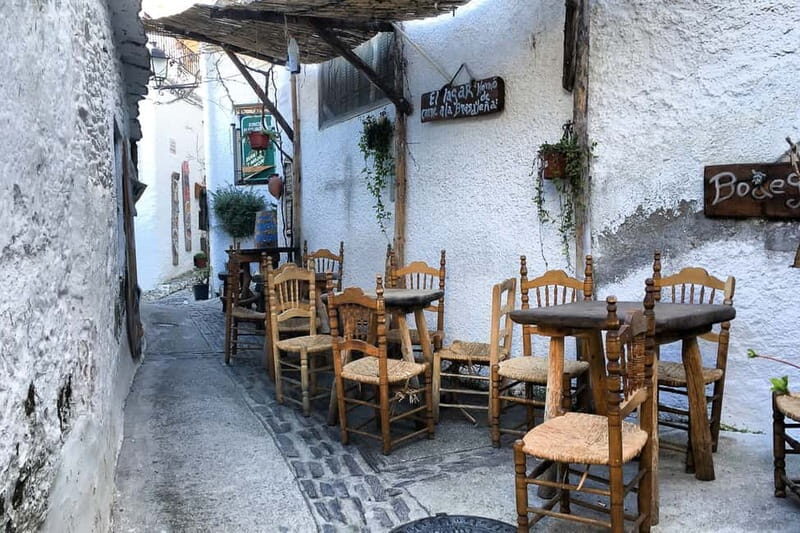
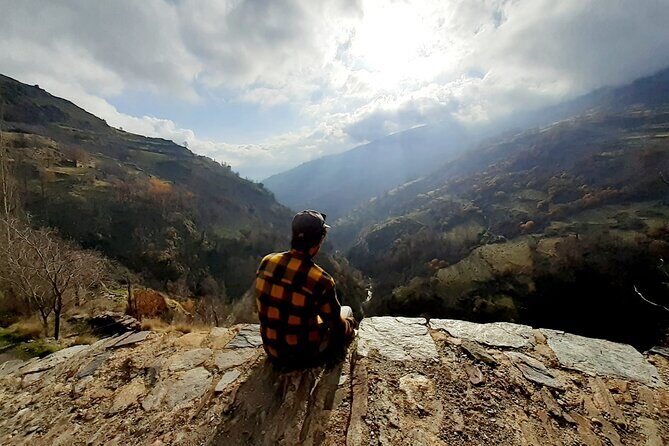
La Alpujarra sits in a long mountain valley stretching across the Sierra Nevada foothills and toward the southern regions. The vibe is part nature, part tradition: white buildings scattered across rugged slopes, with olive groves and wild growth wrapping around the villages.
What makes the trip worth your time is that it’s not just scenic stops. You get context for why the villages look the way they do, how people lived here through the centuries, and how local products became part of daily life. You’ll also get multiple “micro-experiences”—spa-water, village wandering, craft shopping, and cured-meat culture—so the day doesn’t collapse into one long photo session.
You can also read our reviews of more tours and experiences in Granada.
Granada pickup to Alpujarra: how the long drive actually works
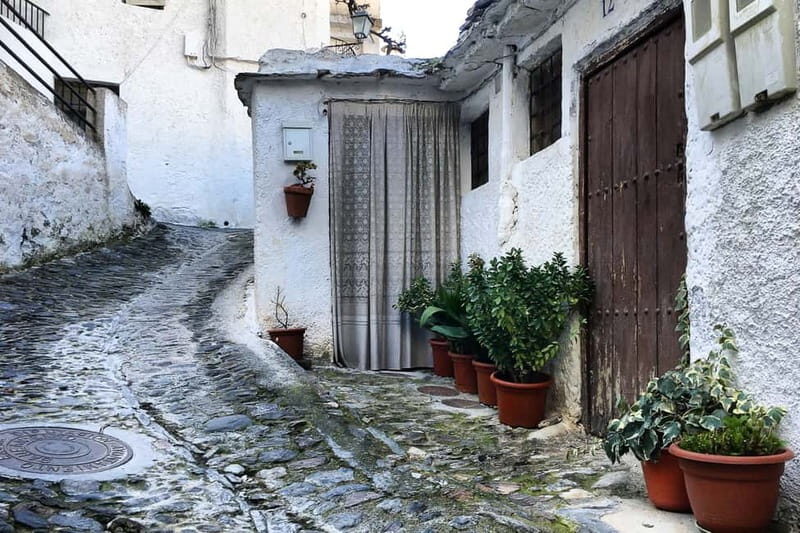
The day starts with hotel pickup in central Granada, which is a big deal if you don’t want to fight buses on day one. After pickup, you ride out toward the mountains in a coach, with about an hour of travel time built into the schedule.
Here’s the practical reality: the roads are extremely curvy. One guide described the ride with a “so many curves” count, and that matches what you’ll feel once you leave the city behind. If you’re prone to motion sickness, sit toward the front and consider bringing your own remedy. And yes—bring a layer. Mountain air can turn a sunny morning into a chilly afternoon faster than you’d expect.
Lanjaron first stop: mineral-water town energy
Your first meaningful stop is Lanjaron, where you get around 30 minutes. This is a quick hit, but it works as a warm-up: you transition from Granada’s streets to spa-town pace, with a local water story that ties into the area’s resort history (dating back to 1843).
Even in half an hour, you’ll likely get two things:
- A chance to stretch your legs near the water-focused area
- A mental reset for the rest of the day, since the Alpujarra theme is very much about water, plants, and mountain conditions
Don’t over-plan this stop. Use it to orient yourself and then enjoy the slower rhythm once you reach the real village cores.
Pampaneira’s hour of free time: wander without a checklist
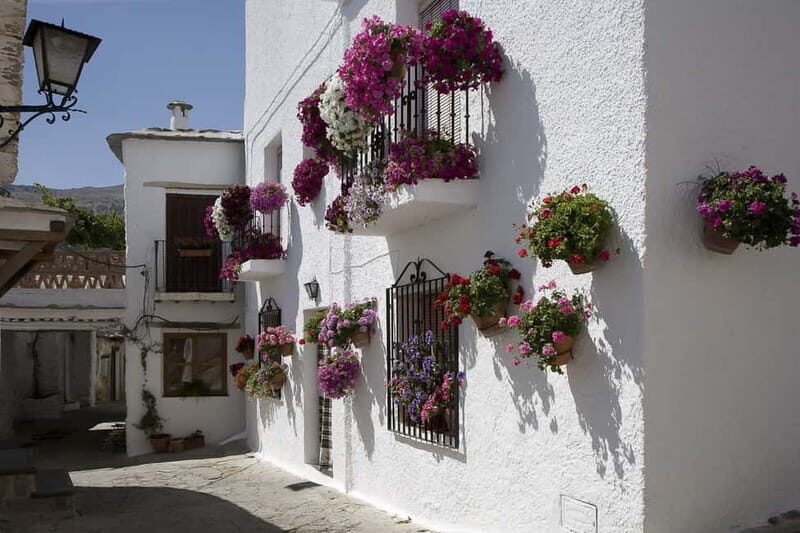
Then comes Pampaneira, with about one hour of free time. This is where you get to do what guided days rarely allow: wander, browse, stop for a coffee, and just let the village do its job.
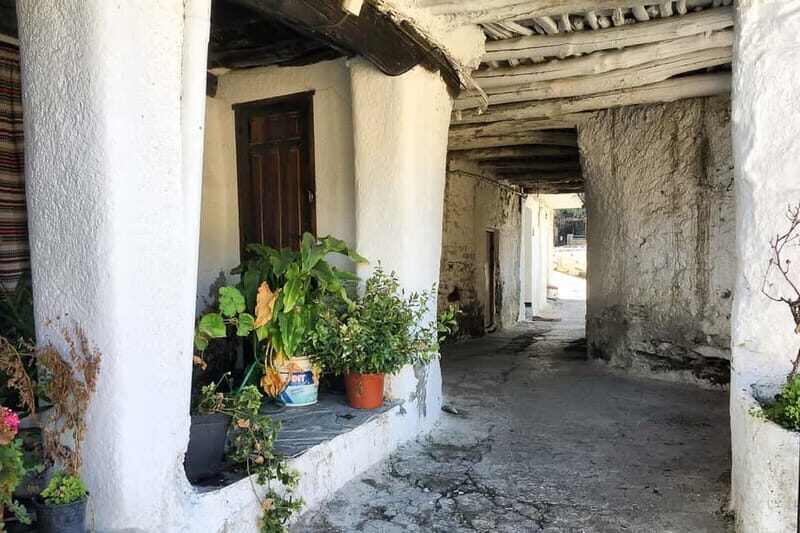
Pampaneira is known for its postcard-worthy white houses and mountain-slope feel. You’ll likely notice how crafts and homemade products are part of daily culture here—items like woven pieces and handmade textiles show up in shop windows and market-style displays.
If you’re the type who likes to look closely—doors, stairways, balconies, tiny lanes—this hour is the perfect window. If you’re traveling with a group, use this time to regroup on a simple plan: meet back at a landmark you agree on before you split.
Portugos and Fuente Agria: the Fountain of Sourness moment
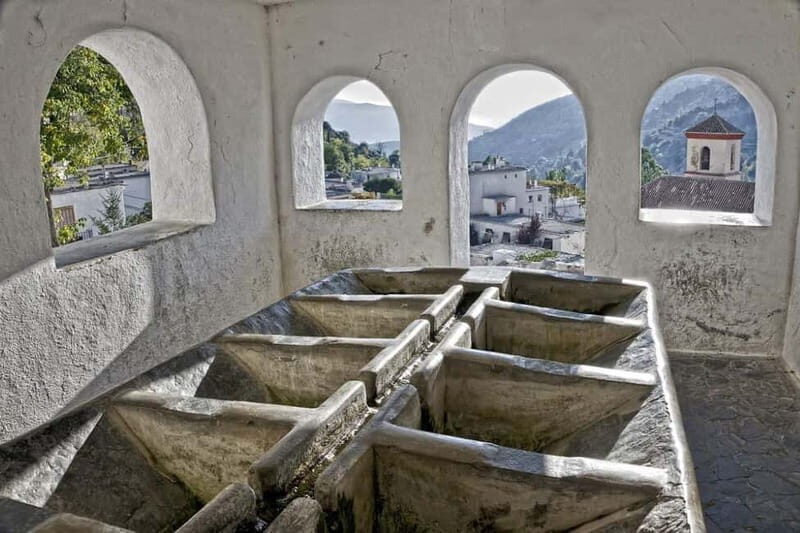
A standout “wait, what is that?” stop is Portugos at Fuente Agria, the Fountain of Sourness. The description is memorable for a reason: mineral water flows through a site connected to the Sierra Nevada, and historically, villagers used it for medicinal purposes because of its mineral concentration.
This is one of those stops where the guide’s narration matters. The water itself is a sensory detail, but the bigger value is understanding how mountain communities turned geology into everyday health practices. You’re not just tasting something odd—you’re learning why it mattered.
You can treat this as a short pause before the day gets meat-and-ham focused. It also helps break up the drive, which is useful because the villages later are on the “slow down and absorb” end of the schedule.



Trevélez: Spain’s highest village and the cured-ham culture
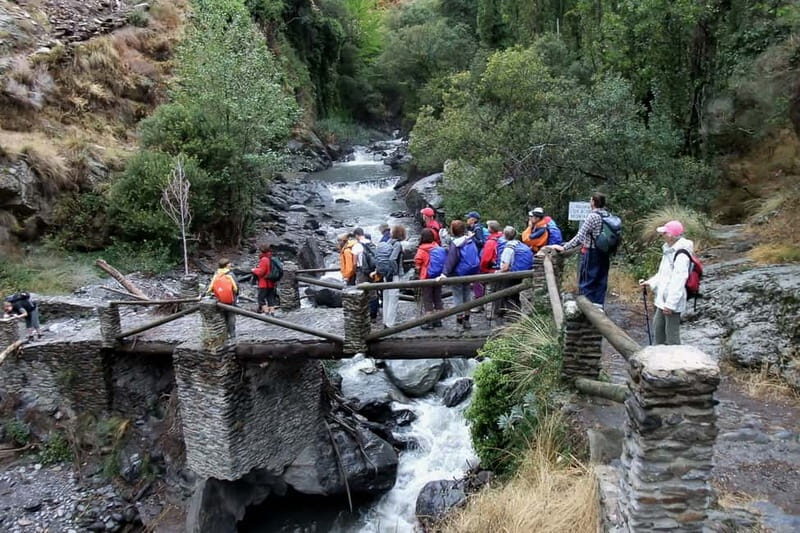
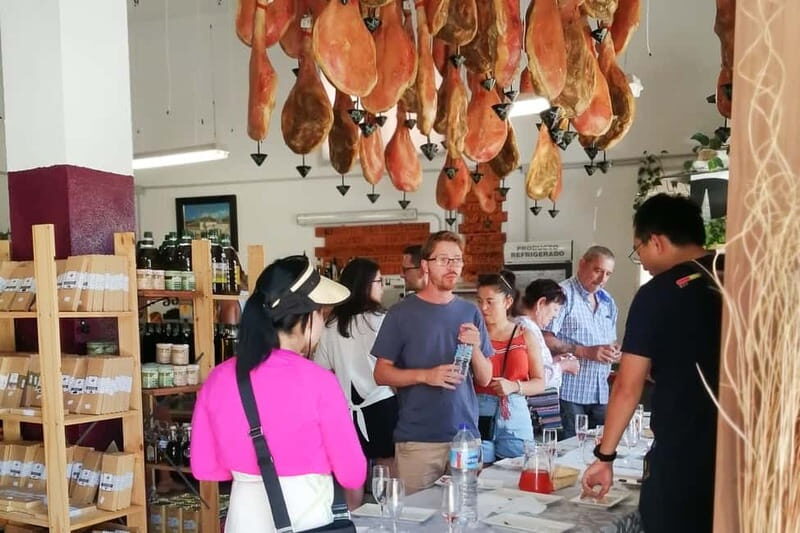
Next is Trevélez, and it’s the “wow” stop for food lovers. This village is widely known as Spain’s highest village, and the local specialty is Iberian ham—the kind cured in mountain conditions that help dry and preserve flavors.
You’ll have a guided tour of about one hour, which is the right length. Trevélez can easily become a “look at buildings” stop, but the guide context keeps it grounded: why ham is such a big deal here, how the village identity formed around it, and how visitors are expected to understand the craft instead of treating it like a souvenir gimmick.
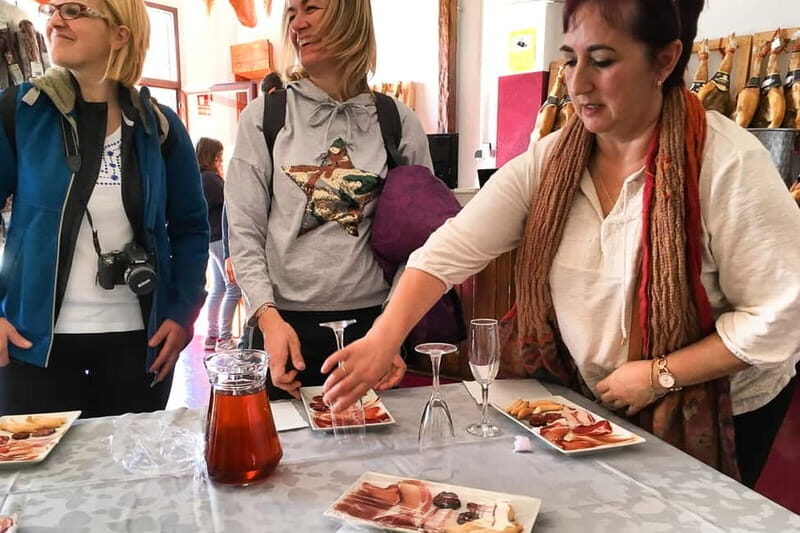
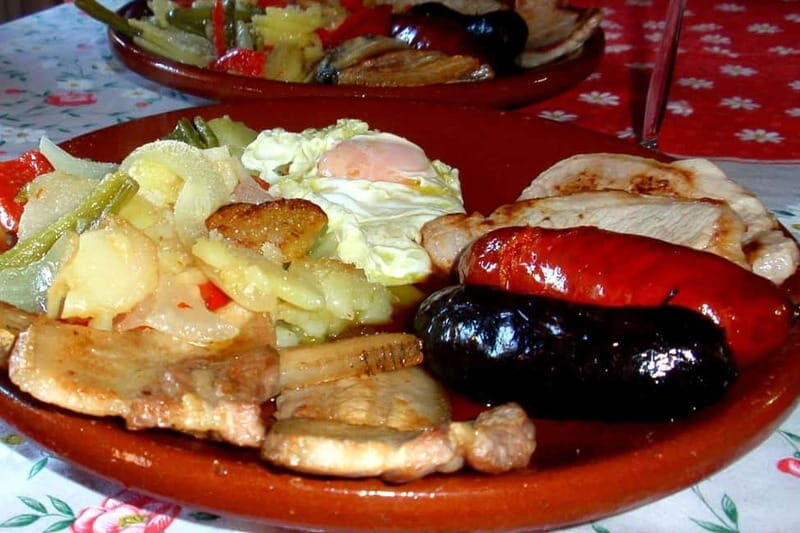
And yes—there’s tasting. You’ll typically sample locally made products like cured meats, and many departures include a broader tasting flow (ham with other local items such as cheese and wine). Some dates may even add a bonus like chocolate, but the core idea stays the same: taste what you’re learning about.
Capileira break time and the lunch choice with mountain views
Finally, you reach Capileira, where the schedule allows about 1.5 hours of break time. Capileira sits high and overlooks the valley area below, so the views help you understand how these villages “work” on the slopes—far apart, connected by winding roads and by what people can grow, cure, or produce locally.
This is also where lunch often happens, depending on your ticket option. If you choose the traditional lunch and drink, you’ll eat in a setting that usually feels very Alpujarra: outdoors or semi-outdoors, with mountain scenery as your backdrop and local dishes served without fuss.
One practical tip: lunch is the big “comfort moment” after a long ride. If you want the full experience, don’t skip the meal option. It tends to be the part most people say is worth it, and it gives the day a natural ending rhythm.
Food and tastings: how the day stays more than a drive
A lot of day trips promise culture but deliver mostly transport. This one is built to feed you in the middle. The tasting plan is usually:
- A ham-focused stop (often at a local jamon shop)
- Time for tasting cured meats and complementary local items
- An optional traditional lunch to cap it off
You’ll also find artisan-product moments woven into the schedule—things like straw baskets, handmade doilies, and colorful woven carpets. This isn’t just shopping time. It’s how you connect what you see in the village to what people actually make for income and identity.
If you’re worried about feeling pressured to buy, use a simple strategy: browse first, ask questions second. The best guides help you understand what you’re looking at before you commit your wallet to anything.
Value check: is $80 a good deal for an 8–10 hour day?
At around $80 per person for an 8–10 hour day, the math is strongest when you use the included pieces fully. This tour includes hotel pickup in Granada, a local guide, and a traditional lunch and drink if you choose the lunch option.
Where the value really shows up is the “access” factor. You’re going to multiple villages that are hard to string together smoothly on your own—especially when you account for time, roads, and knowing where to go for tastings and crafts. Paying for a guide also means you’re not guessing at the story behind what you see, from Mozarabic-style white architecture to why mountain ham became a signature.
If you’re the kind of traveler who likes to maximize one trip outside Granada, this price can feel fair. If you’re only interested in one or two villages and you hate long days, it might feel stretched.
Who should book this Alpujarra day trip
This tour is ideal if you:
- Want an easy day escape from Granada without planning logistics
- Like villages where the main attraction is everyday life and local production
- Enjoy food experiences beyond a single restaurant meal
- Prefer short walking with frequent stops rather than an all-day hike
It’s also a strong fit for first-time visitors to southern Spain who want the “mountain villages” chapter without adding a rental car.
Who should think twice
Think twice if:
- You’re very sensitive to motion or cold. The roads are winding and the mountain air can get chilly.
- You want a perfectly flexible schedule with zero fixed stops. This day has several timed village and tasting moments.
If you’re traveling with kids, you can still do it, but plan for patience during drive time and keep expectations realistic about how much walking is involved.
Tips to make the day smoother (and more enjoyable)
- Bring a layer. Even if Granada is warm, mountains can cool fast.
- If motion sickness hits you, take precautions early and consider sitting toward the front.
- Wear comfortable shoes for short village strolls. You’re not doing a marathon, but cobbles and steps add up.
- Choose the traditional lunch option if you want the full value. It’s the part that ties everything together.
- If you’re shopping, treat it like a story hunt: ask what’s handmade, and what the craft is used for.
Should you book La Alpujarra from Granada?
I’d book it if you want a classic Granada-to-mountains experience that’s structured but not rushed: multiple village moments, a strong food component, and stops that explain the region instead of just presenting it.
Skip it if you only care about one village, or if the idea of a long day on winding roads sounds miserable. For most people, though, this is one of the most satisfying ways to see what makes the Alpujarra feel so special—white villages, mineral-water stops, ham culture, and real time to wander.
FAQ
How long is the Granada to Alpujarra day trip?
The tour runs about 8 to 10 hours.
What’s included in the ticket price?
It includes pickup from central Granada hotels, a local guide, and a traditional lunch and drink if you choose that option.
Will the guide speak English?
Yes. The live tour guide works in Spanish and English.
How much free time do I get in Pampaneira?
You get about 1 hour of free time in Pampaneira.
Is there food included?
There is tasting as part of the day, and you can include a traditional lunch and drink if you book the lunch option.
What should I bring with me?
Bring a passport or ID card.