REVIEW · ALBAICIN & SACROMONTE TOURS
Granada: Albaicín and Sacromonte Walking Tour
Book on GetYourGuide →Operated by Special Plans · Bookable on GetYourGuide
Granada’s oldest neighborhoods start with a climb and end with postcard views. This 2–2.5-hour walking tour threads together Albaicín’s Moorish lanes and Sacromonte’s cave life, with a guide to connect the dots behind Granada’s last Muslim kingdom. You’ll be walking through real city texture—whitewashed houses, tight passages, and viewpoints you can only find by knowing where to stand.
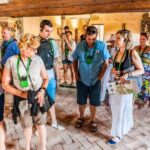
What I like most is how practical the guidance feels: you’re not just watching scenery, you’re learning how the place works. Second, I love the cultural focus—Islamic heritage in one neighborhood, then Sacromonte’s cave homes and flamenco-linked Roma culture in the next. Guides such as Alejandra, Lorene, Paula, and Chema are repeatedly praised for keeping the walk lively and answering questions in plain, human language.
One drawback to plan for: this is a steep, step-heavy walk. It’s rain or shine, and it’s not suitable for wheelchair users or people with mobility impairments—so wear grippy shoes and don’t underestimate the hills.
In This Review
- Key things you’ll notice on this Granada walk
- Albaicín and Sacromonte: why these streets feel like Granada’s real story
- Plaza Isabel la Católica: start smart, not lost
- Plaza Nueva and the first lanes: getting the Albaicín feel in minutes
- San Nicolás photo stop: the Alhambra view worth planning around
- From Puerta de las Pesas to Plaza Larga: walking through old defenses
- Sacromonte caves: why hillside living shaped culture
- Cuesta del Chapiz and Paseo de los Tristes: the walk gets quieter, the views keep coming
- Carrera del Darro: closing the loop near the river
- Pace, stairs, and what to pack for rain or shine
- Price and value: is $18 worth it for 2–2.5 hours?
- Who should book this walking tour of Albaicín and Sacromonte?
- Final verdict: should you book this Granada walking tour?
- FAQ
- Is the Granada Albaicín and Sacromonte tour 2–2.5 hours long?
- Where do I meet for the tour?
- What languages are available for the guided tour?
- What should I bring for this walking tour?
- Is the tour wheelchair accessible or suitable for mobility impairments?
- Does the tour run in bad weather?
- What’s not allowed during the tour?
Key things you’ll notice on this Granada walk
- Top Alhambra viewpoints at the right moments, with time for photos from classic lookouts
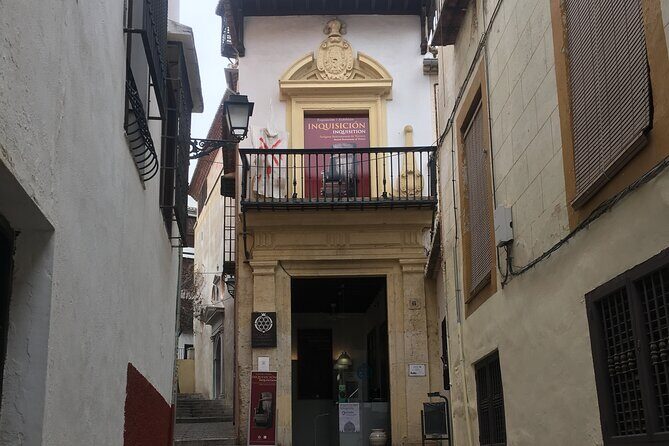
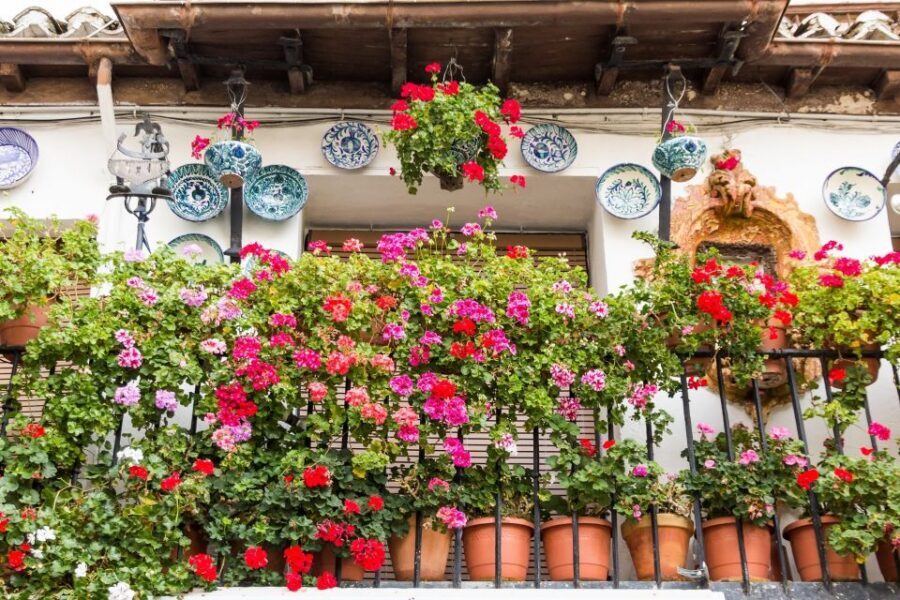
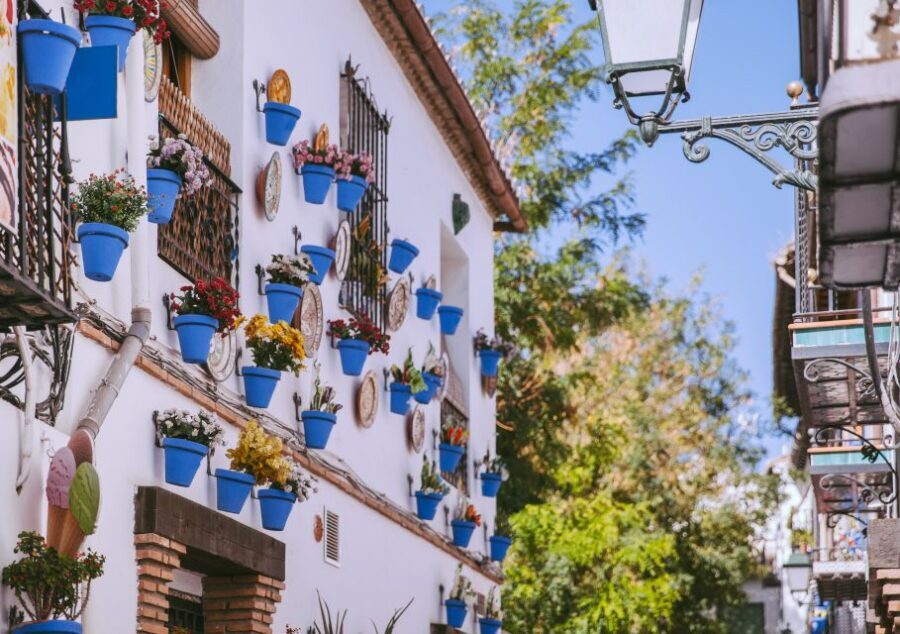
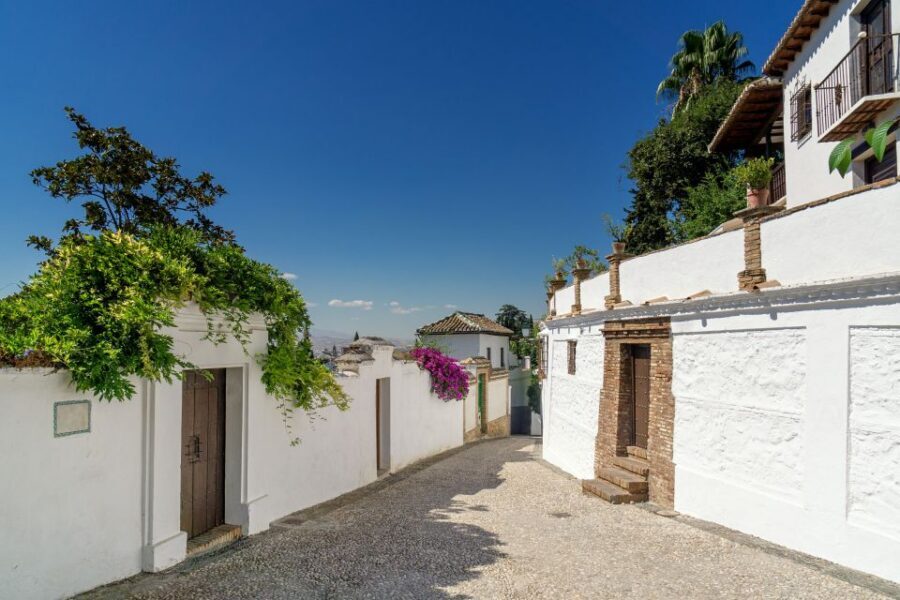
- Albaicín’s narrow alleys where white houses and flowered balconies make the past feel close
- Sacromonte caves—why families live in hillside grottoes and how that shaped the neighborhood
- Cultural comparisons that make sense: Islamic Granada, then the later Roma presence tied to cave settlement
- A guide who controls the pace, with built-in stops so the uphill parts don’t steamroll you
Albaicín and Sacromonte: why these streets feel like Granada’s real story
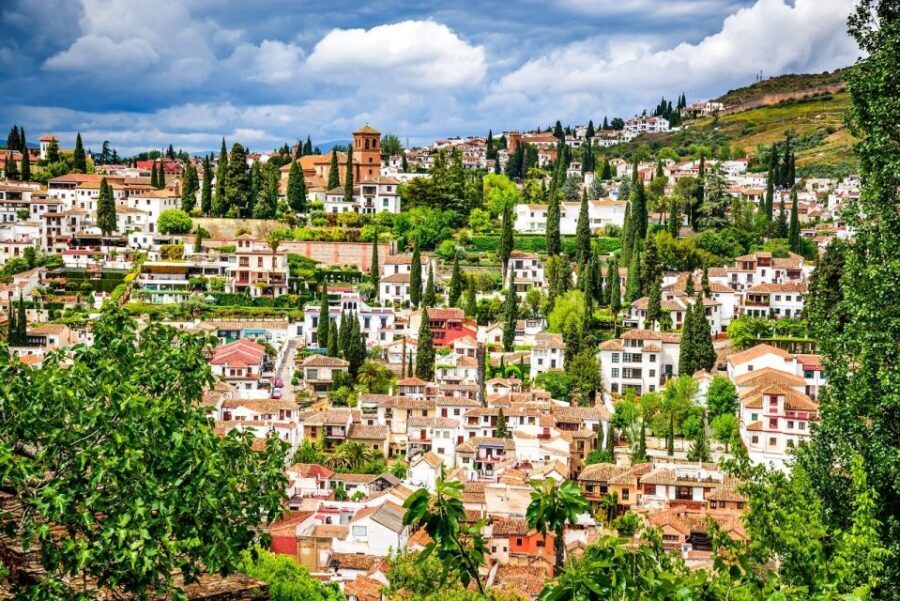
If Granada were a book, Albaicín and Sacromonte are the worn pages. You’re not strolling in a theme-park version of history—you’re moving through neighborhoods that still live with steep grades, narrow turns, and everyday life tucked into stone and plaster.
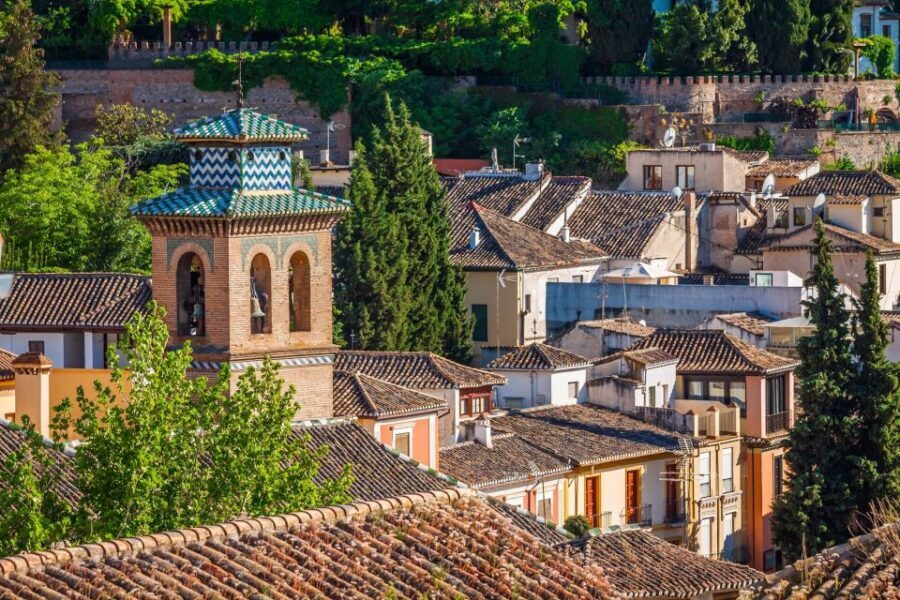
Albaicín is the Moorish quarter, and the tour makes that label feel concrete. You walk past the kind of tight, winding streets where it’s easy to imagine how a city built for defense and community would function. The guide ties those physical details to the Islamic era and to Granada’s place as the final Muslim city on the Iberian Peninsula. That matters, because without context, you can see old walls and gates and still miss what they were doing there.
Then the walk shifts into Sacromonte, the area most associated with flamenco culture and cave living. This is where you stop seeing history as something behind glass. The idea that people live in caves dug into the mountains isn’t just a “cool fact”—the tour explains why that kind of settlement made sense and why the Roma (often discussed locally as Gypsy culture) chose this place centuries ago.
You can also read our reviews of more walking tours in Granada

Plaza Isabel la Católica: start smart, not lost
The tour begins at Plaza Isabel la Católica (18009 Granada), behind the monument of the Capitulations—the statue of Queen Isabella I and Christopher Columbus. It’s a solid starting point because it anchors you in the city center, close enough to other sightseeing, but also near the uphill routes that lead into the old quarters.
If you want this tour to work, show up a little early and get your bearings. Even with a guide, the first minutes set your “mental map.” You’ll quickly notice the big theme of the day: Granada’s history doesn’t sit flat—it rises.
Also, because the tour is guided in just one selected language (English, French, or Spanish), you’ll get a more focused narrative than you do on mixed-language walks. That’s good for following the story in real time.
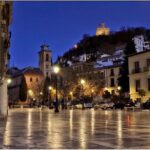
Plaza Nueva and the first lanes: getting the Albaicín feel in minutes
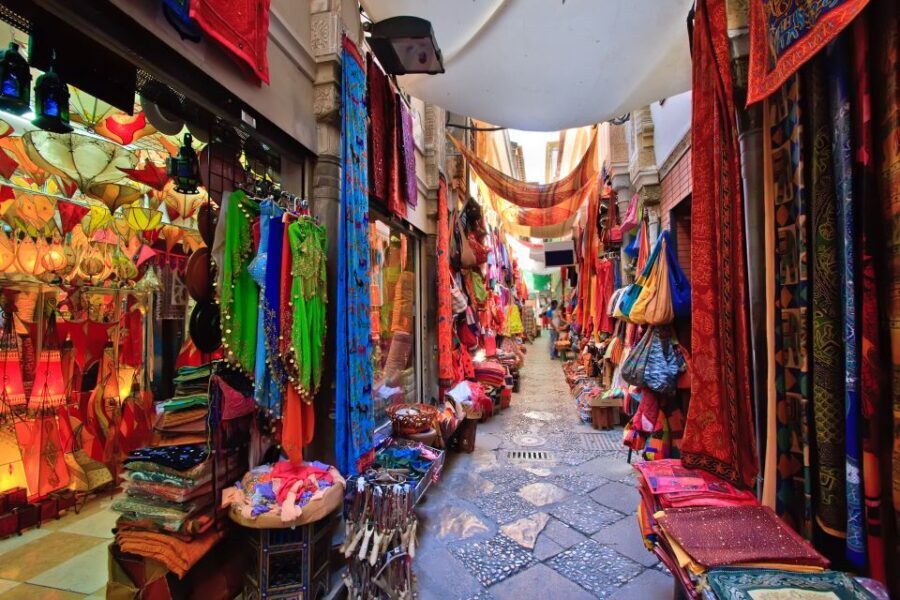
From Plaza Nueva, the tour moves into the kind of streets that make you slow down. You’re guided through historic small squares and corridors, including spots like Callejón del Aljibe de Trillo and Placeta Comino. These are brief stops on the schedule, but that’s the point: the guide uses small moments to teach you how to read the neighborhood.
In practical terms, this is where you learn to spot “signals” that match the story—how the city is laid out, how streets funnel movement, and why some areas feel like they were shaped by the logic of a different era. The walk also helps if you’ve never used Granada’s street network before. People often get turned around here, and a guide basically hands you a shortcut through the maze.
San Nicolás photo stop: the Alhambra view worth planning around
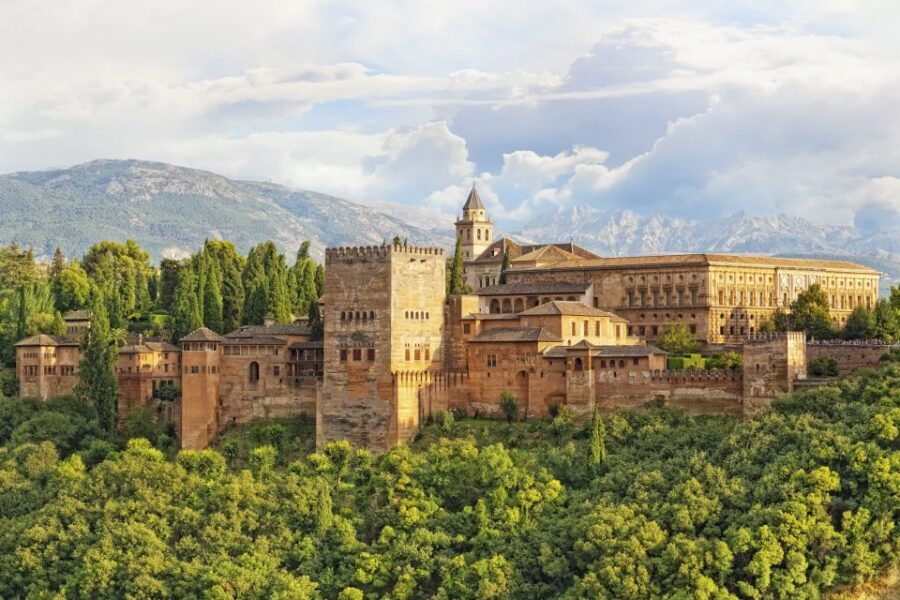
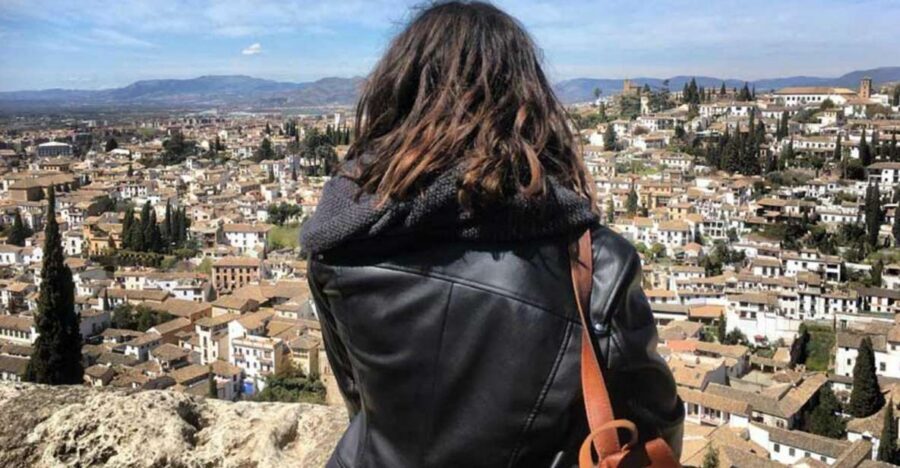
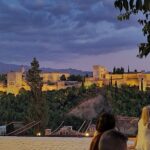
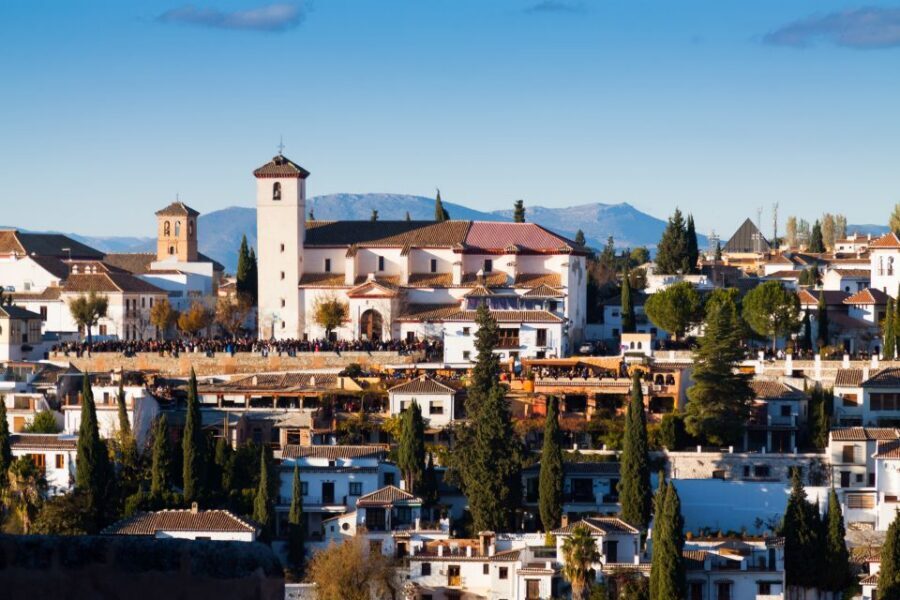
The highlight viewpoint arrives at Plaza de San Nicolás, where the tour includes time for photos. This is where the Alhambra view becomes the star of the show: the tour explicitly positions it as one of the best perspectives over the city.
Here’s how to make the photo stop count. Give yourself a couple minutes to look around—not only toward the Alhambra, but also for sightlines where the city layers stack up. If you’re traveling with family, ask the guide to take a shot or make a quick adjustment for your group; some guides actively help with photos, and it saves you from sprinting back and forth while others hold your spot.
Even if you’ve seen Alhambra photos already, this viewpoint tends to land differently because you’re seeing the neighborhood at the same angle that shaped those stories. You’re not just admiring a building; you’re seeing how the city frames its icons.
From Puerta de las Pesas to Plaza Larga: walking through old defenses
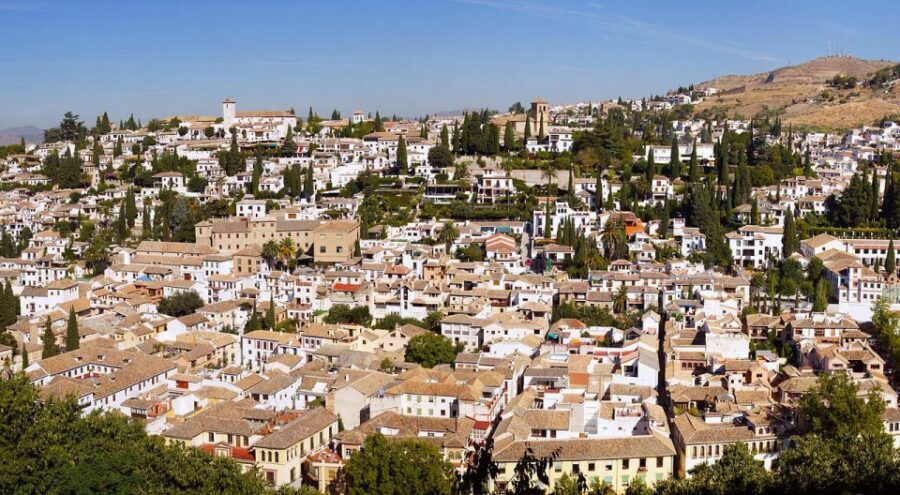
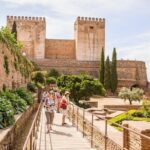
As you continue, you pass through places like Puerta de las Pesas and Plaza Larga. On paper those sound like normal stops. On foot, they feel like waypoints in a living system—gates, open spaces, and corridors that would have mattered for movement and control.
The guide’s job here is to connect those structures to why Albaicín looked the way it did during and after the Islamic period. You’ll hear about the last Muslim kingdom of Spain and the kind of city built around walls, gates, and prominent religious or civic structures. The tour framing matters: you’re not treating these as random “pretty old spots.” You’re learning what they meant in a city where the physical layout shaped daily life.
One small consideration: these stretches can feel like “more walking, fewer obvious landmarks.” That’s normal for Albaicín. If you lean into the guide’s explanations and use the short breaks as reset moments, you’ll get more out of it than simply scanning façades.



Sacromonte caves: why hillside living shaped culture
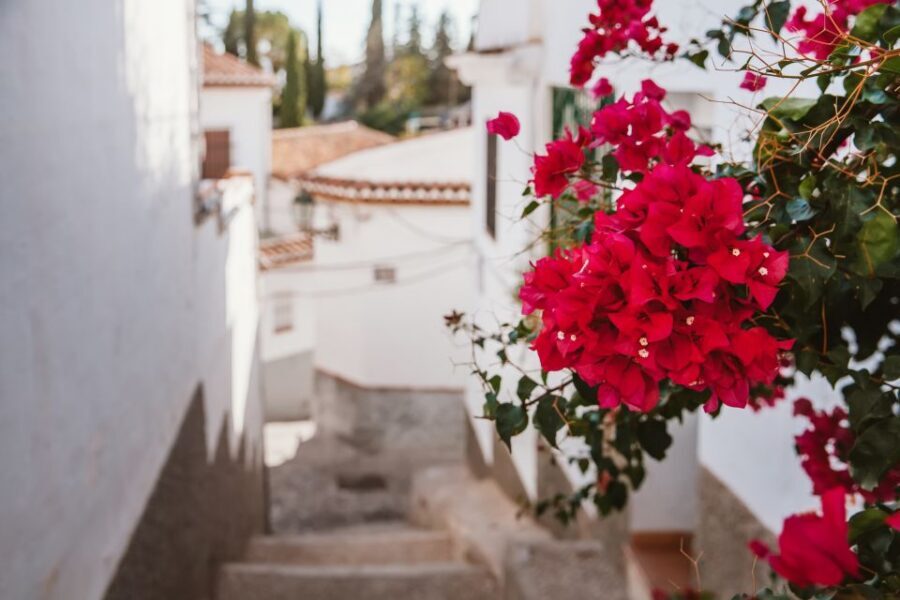
Then you reach Sacromonte, the “flamenco” quarter of Granada—and the experience shifts from architecture to human space. The tour focuses on the Gypsy caves, explaining why people live in caves dug into the mountain and why this became a long-term settlement choice centuries ago.
This is one of the stops that changes how you picture Sacromonte. Without context, cave areas can feel like curiosities. With the guide’s explanation, caves become a kind of relationship—between geography, community, and culture. You start to understand why the neighborhood’s identity is inseparable from its terrain.
On the practical side, remember you’re still walking on uneven stone and steep grades. Even if the tour pacing includes pauses, you’ll want to keep your footing slow and confident, especially if the pavement is wet (the tour runs rain or shine).
Cuesta del Chapiz and Paseo de los Tristes: the walk gets quieter, the views keep coming
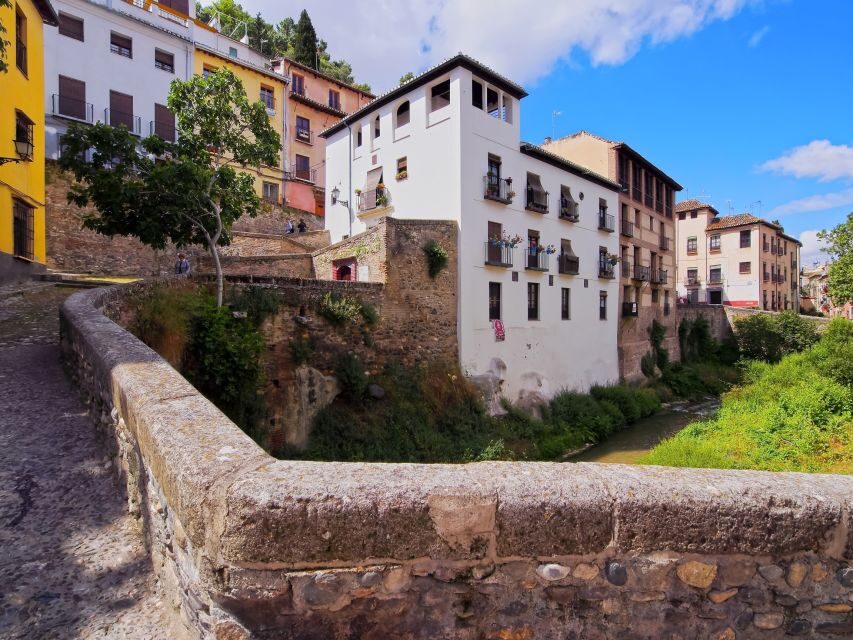
Between Sacromonte and the finish, the tour continues through areas like Cuesta del Chapiz and Paseo de los Tristes. These names don’t sound like they could be famous, but in Granada they often point to specific qualities: steep tracks, old-looking edges, and vantage points that feel tucked into the city’s contours.
Paseo de los Tristes is especially notable in the schedule as a longer, story-led stretch. That’s when the guide usually connects the route you’re taking to the broader narrative of the city—how cultural layers shifted over time, and why certain neighborhoods kept their identity. The route also gives you time to absorb the city’s “in-between” character: not just monuments, but the streets that connect them.
If you like walking tours where the guide talks like an art historian, you’ll likely enjoy this section. Many of the guides associated with this route are praised for explaining how people, places, and history interlock—while still making time to stop, listen, and look.
Carrera del Darro: closing the loop near the river
As the tour nears its end, you reach Carrera del Darro, a classic Granada corridor. This part matters because it often feels like a release after the uphill stretches. The guide keeps you moving through the final photo and story moments, wrapping the cultural narrative back into the city’s everyday rhythms.
Carrera del Darro also gives you a sense of scale. You’ve spent time in the narrow lanes of Albaicín and the hillside cave zone of Sacromonte; now you get a wider view of how the city flows. You’ll arrive back at the starting point, Plaza Isabel la Católica.
By the time you end, you’re usually not just tired—you’re oriented. That’s the real value of a tour like this: you leave knowing how the neighborhoods connect, so getting lost on purpose later doesn’t feel like chaos.
Pace, stairs, and what to pack for rain or shine
This tour is rated highly, but it’s still physically demanding. Multiple guide comments point to a lot of climbing and many steps. So treat it like a workout with stories, not a casual stroll.
Here’s what you should pack based on the tour’s stated requirements:
- Comfortable shoes with good grip
- Sunglasses, a sun hat, and sunscreen
- Water and comfortable clothes
- Skip pets, baby strollers, and large bags (not allowed)
A few extra practical tips from how guides keep the walk workable:
- If you need micro-pauses, don’t wait until you’re exhausted. Ask the guide to slow down at safe points.
- Wear shoes you wouldn’t mind if you had to step carefully on uneven cobbles.
- Flash photography isn’t allowed, so if you’re trying to capture the cave area or photo stops, rely on normal camera settings and natural light.
Also, the tour runs rain or shine, so plan for slippery patches. Bring a light layer for cool weather, and consider grippy soles even if you think the forecast looks fine.
Price and value: is $18 worth it for 2–2.5 hours?
At $18 per person for 2–2.5 hours, this tour is priced like an access ticket to a guide-led orientation. You’re paying for three things you’d struggle to get on your own: context, route efficiency, and interpretation of the cultural shifts between Islamic Granada and Sacromonte cave settlement.
The big value lever is the official guide. You’re not just getting directions. You’re getting a narrative—history, legends, and local culture—delivered while you walk through the exact places those stories live in. That’s why people often feel the difference between wandering and taking a guided route: you don’t have to guess what you’re seeing.
Another value factor: the group size tends to feel small and interactive in the way guides run these tours. In a maze-like neighborhood, smaller groups also mean fewer people getting separated and fewer awkward pauses for regrouping.
If your schedule is tight and you want an efficient way to understand where to explore next, $18 can feel like a bargain. If you’re allergic to uphill effort, it’s still cheap—but not a bargain in comfort terms.
Who should book this walking tour of Albaicín and Sacromonte?
Book it if you:
- want Albaicín’s Moorish quarter and Sacromonte caves in one coherent walk
- like history told through streets, walls, gates, and neighborhood rhythm
- enjoy photo stops, especially one built around top Alhambra views
- want a guide who answers questions in real time (some guides like Alejandra, Carmen, and Chema are repeatedly praised for staying engaging)
Consider skipping or switching to a gentler option if you:
- have mobility limits. The tour is not suitable for wheelchair users and isn’t designed for people with mobility impairments
- don’t handle steep grades and lots of steps well
This tour is also a smart fit for first-timers to Granada who want bearings fast. You’ll be able to “read” the neighborhoods later, not just see them once.
Final verdict: should you book this Granada walking tour?
Yes—if you’re comfortable with hills and you want to understand Granada beyond the main monuments. The combination of Albaicín’s old lanes, Sacromonte’s cave culture, and a well-timed Alhambra viewpoint makes this one of the best ways to get oriented without wasting hours figuring routes out on your own.
My main caution is physical, not educational. If you’re worried about stairs, choose other plans and save your legs for flatter streets. But if you can handle a tough walk with regular pauses and you like stories that connect culture to place, this tour is a strong choice at $18.
FAQ
Is the Granada Albaicín and Sacromonte tour 2–2.5 hours long?
Yes. The duration is listed as 2 to 2.5 hours, and you can check available starting times.
Where do I meet for the tour?
Meet at Isabel la Católica Square (18009 Granada), behind the Monument of the Capitulations (the statue of Queen Isabella I and Christopher Columbus).
What languages are available for the guided tour?
The tour is offered in English, French, and Spanish. It runs in one language based on your reservation selection.
What should I bring for this walking tour?
Bring comfortable shoes, sunglasses, a sun hat, sunscreen, and water. Wear comfortable clothes.
Is the tour wheelchair accessible or suitable for mobility impairments?
No. It is not suitable for people with mobility impairments and wheelchair users.
Does the tour run in bad weather?
Yes. The tour takes place rain or shine.
What’s not allowed during the tour?
Pets, baby strollers, and luggage or large bags are not allowed. Flash photography is also not allowed.