REVIEW · ALBAICIN & SACROMONTE TOURS
Granada: Albaicín and Sacromonte 2.5-Hour Walking Tour
Book on GetYourGuide →Operated by Feel the City Tours · Bookable on GetYourGuide
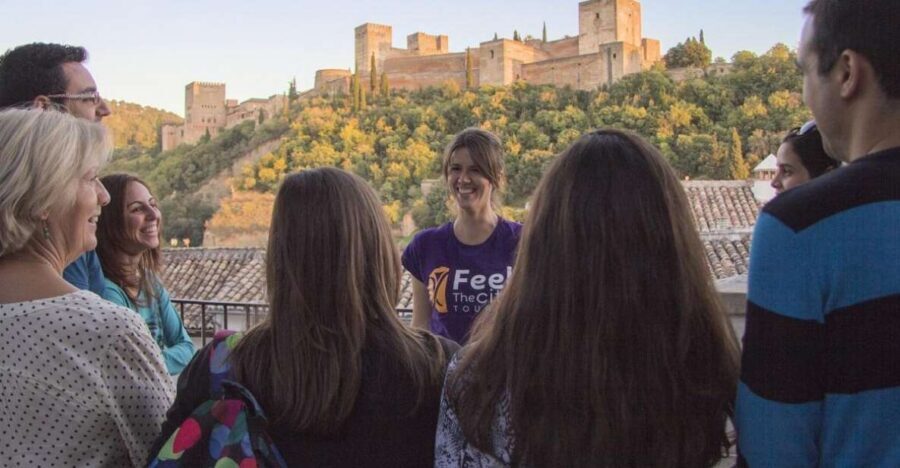
Granada’s hills tell their story on foot. This Albaicín and Sacromonte walking tour pairs street-level Granada with seriously good Alhambra views as you move between historic neighborhoods. You’ll also hear how today’s city was shaped long ago, from old fortifications to mountain caves.
I love that the guide connects what you’re seeing to why it matters. You’ll pass remains of city gates and old walls around the Alcazaba, then learn how Moorish architecture influenced daily life, including water systems.
I also love the shift into Sacromonte, where the cave setting turns history into something you can almost touch. That’s where the Gypsy neighborhood lives up to its reputation, with rooms carved into the mountain and stories tied to art and performance. One drawback: this tour is not gentle. Expect steep climbs and lots of steps, so strong shoes and a steady pace are key.
In This Review
- Key things I’d circle before you go
- Getting Oriented at Plaza Isabel La Católica
- Albaicín Streets: From Old Fortifications to Moorish Design
- The Alcazaba Connection: Why This Walk Feels Like a Time Machine
- Earned Alhambra Views: Photo Stops That Actually Mean Something
- Heading Toward Sacromonte: Art, Memory, and Hillside Life
- Inside the Cave Neighborhood: What You Learn Beyond the Caves
- How Tough Is the Walk, Really?
- What’s Included (And What Isn’t)
- Language: What to Expect with a Spanish-Language Guide
- Value for $23: Why This Price Can Make Sense
- Tips for Getting the Most Out of the Walk
- Should You Book This Granada Tour?
Key things I’d circle before you go
- Albaicín and Sacromonte in one outing: two sides of Granada’s identity
- Alhambra viewpoints you earn by walking up to them
- City gate and wall remnants near the Alcazaba that most visitors miss
- Moorish architectural lessons, including how water was managed
- Sacromonte caves cut into the mountain in a real neighborhood setting
- Frequent guide tips for photo spots, tapas, and flamenco options
Getting Oriented at Plaza Isabel La Católica
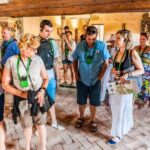
Most tours start where Granada’s walking rhythm makes sense: at Plaza Isabel La Católica. From here, the guide sets the frame quickly so you stop seeing random lanes and start reading the city like a puzzle.
This matters because Granada can feel confusing on a first visit. You’re not just walking through pretty streets. You’re moving through areas that used to function differently, depending on the power of the day and the culture that ruled.
You’ll also get a sense of timing. The tour runs about 3 hours total, with roughly 2.5 hours walking, so you should plan to stay present and absorb. If you like your sightseeing with stops that explain what you’re looking at, this format fits.
You can also read our reviews of more walking tours in Granada

Albaicín Streets: From Old Fortifications to Moorish Design
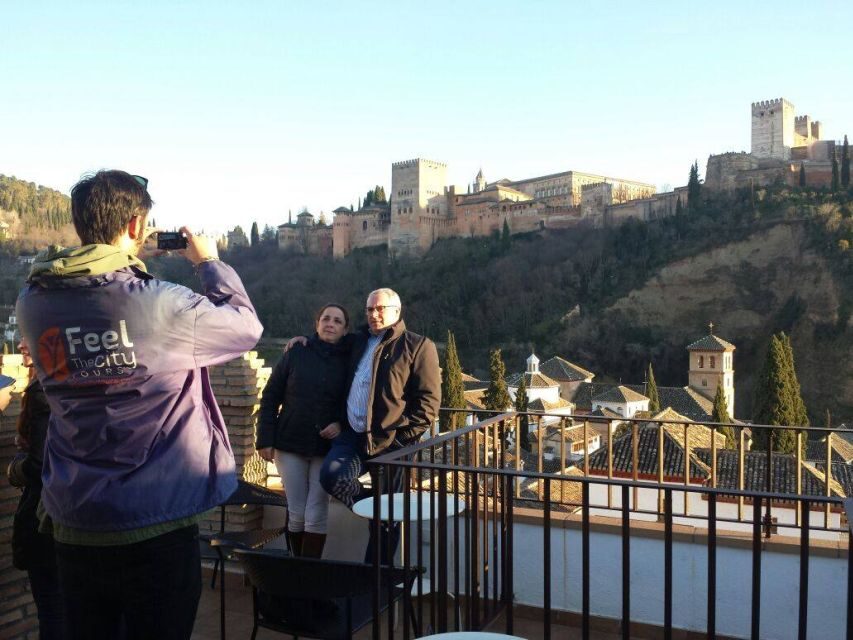
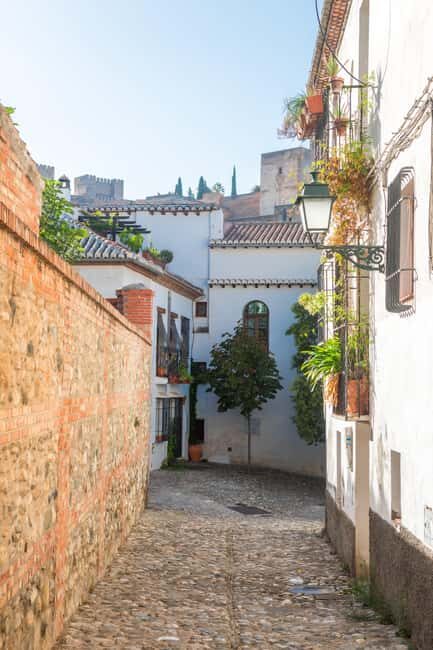
The Albaicín is where the city starts to feel like a story told by stone and slope. Expect narrow streets, steep corners, and viewpoints that come with effort rather than bus rides.
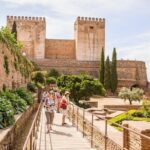
A highlight of this section is the chance to see remains of city gates and old city walls surrounding the Alcazaba. These aren’t museum objects behind glass. They’re part of the neighborhood fabric, which gives you a sharper sense of how Granada protected itself—and how people moved in and out of power centers.
What I particularly like here is the way Moorish architecture gets explained in practical terms. You’ll learn about the design logic that helped people live in a hot, demanding place. One standout theme is water management, including systems that were engineered under Moorish rule and, in some cases, still in use.
This is a good tour choice if you’re curious about how architecture solves problems. It’s not only about aesthetics. It’s about engineering habits: gradients, channels, planning, and how buildings fit the hill.
The Alcazaba Connection: Why This Walk Feels Like a Time Machine
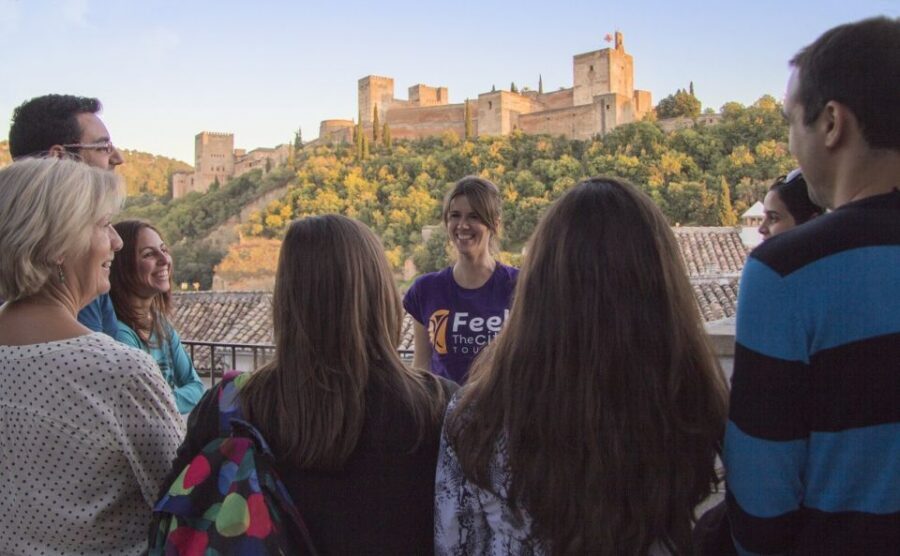
You’ll spend time near the Alcazaba area, and the guide’s job is to connect the dots. When you’re standing by old fortification remnants, it’s easy to treat them like scenery.
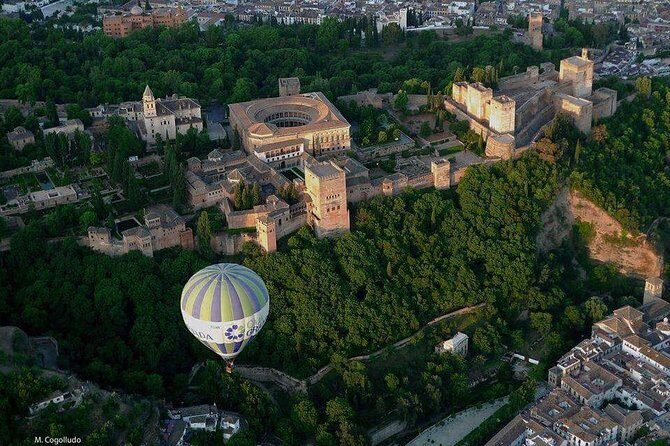
Instead, the tour uses these spots to explain origins and change over time—how Granada evolved as different cultures shaped it. That’s especially satisfying if you’re also visiting the Alhambra the next day, because the neighborhood context helps the palace make more sense.
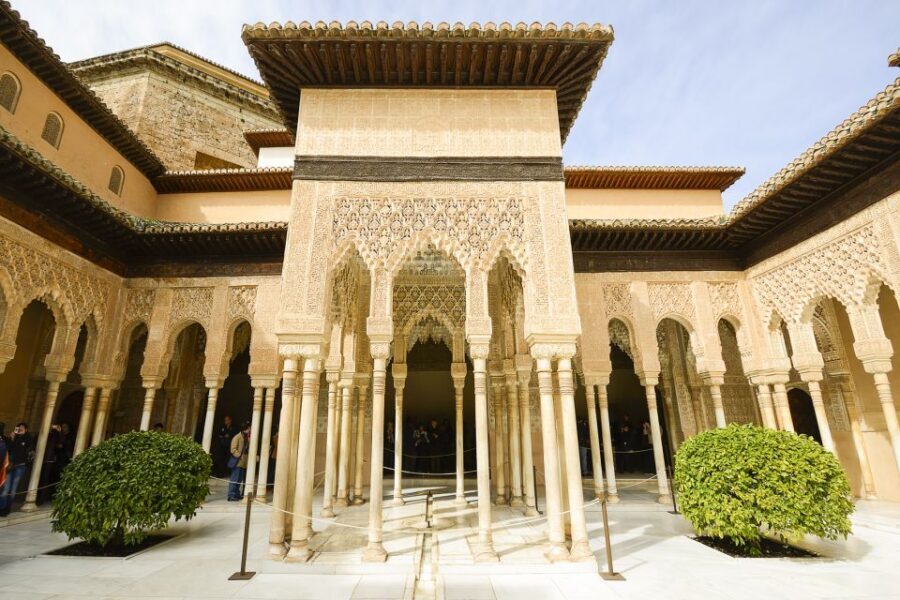
I find this kind of pre-loading useful. If you know what the walls were doing and where people were entering, you’ll read the Alhambra differently. You’ll notice relationships: where power sat, where movement happened, and how the city’s geography guided everything.
Earned Alhambra Views: Photo Stops That Actually Mean Something
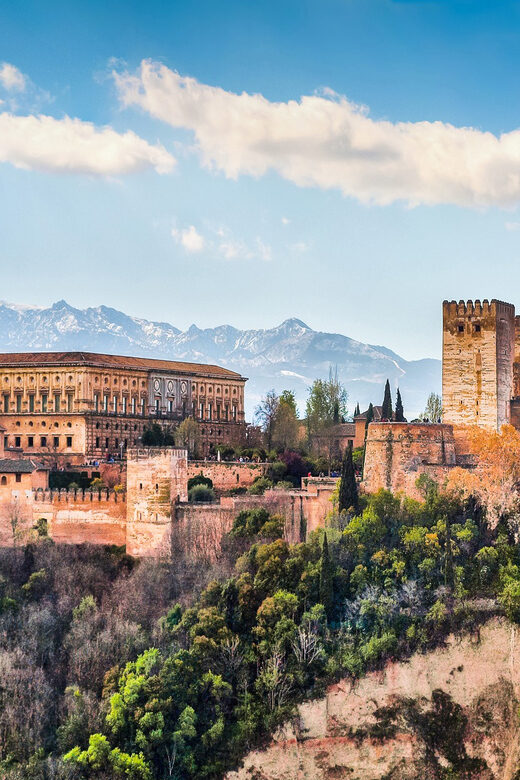
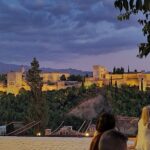
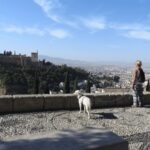
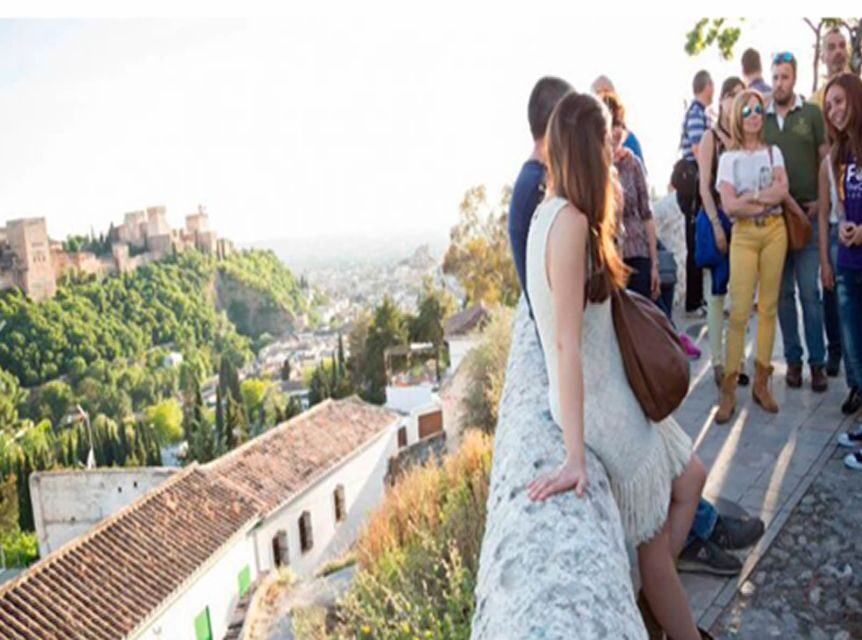
Yes, you’ll get breathtaking views of the Alhambra. But the bigger value is that the viewpoints aren’t random photo angles. They’re positioned so you understand the landscape and the connection between palace and neighborhood.
Many guides are praised for steering groups to the best angles, and for sharing practical info like where to stand for photos. You’ll often get a “pause and look” moment, which is exactly what you want on a walking tour.
Also, try not to rush the first view. The Alhambra changes as light shifts, and seeing it from different points during the walk makes it feel less like a single sight and more like a whole complex tied to Granada’s hills.
Heading Toward Sacromonte: Art, Memory, and Hillside Life
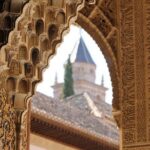
Then the walk transitions into Sacromonte, the side of town famous for its caves and for the cultural legacy associated with the Gypsy neighborhood. The setting changes as you climb and angle closer to the mountain.
This part of the tour is where you stop imagining the caves and start understanding why they happened. Caves dug into a hillside are not just romantic. They’re practical housing shaped by the mountain’s structure.
The guide will show you how these caves fit into the city’s longer timeline, including the sense of Granada as a place where art and architecture have been strong since at least the 11th century. It’s an important reminder: Granada isn’t famous only for one era.




Inside the Cave Neighborhood: What You Learn Beyond the Caves
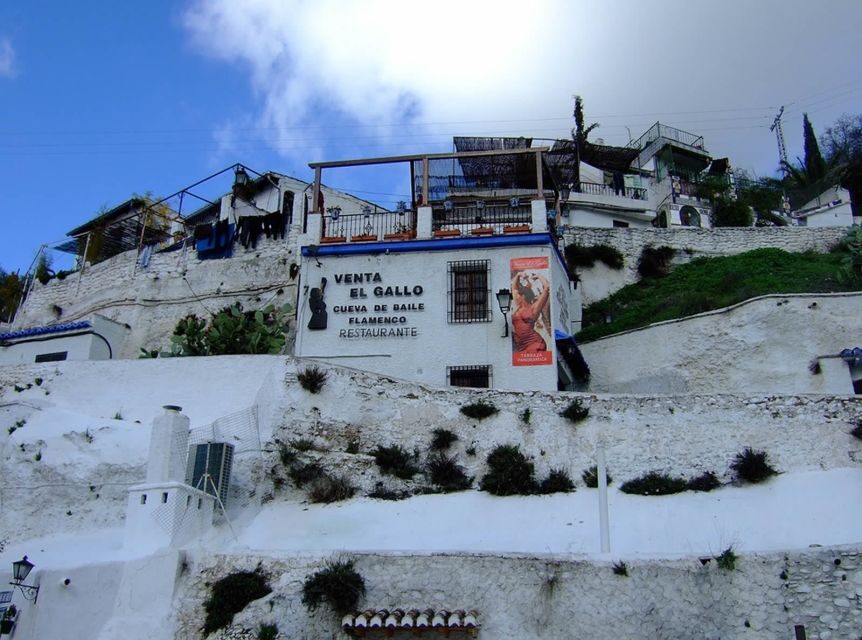
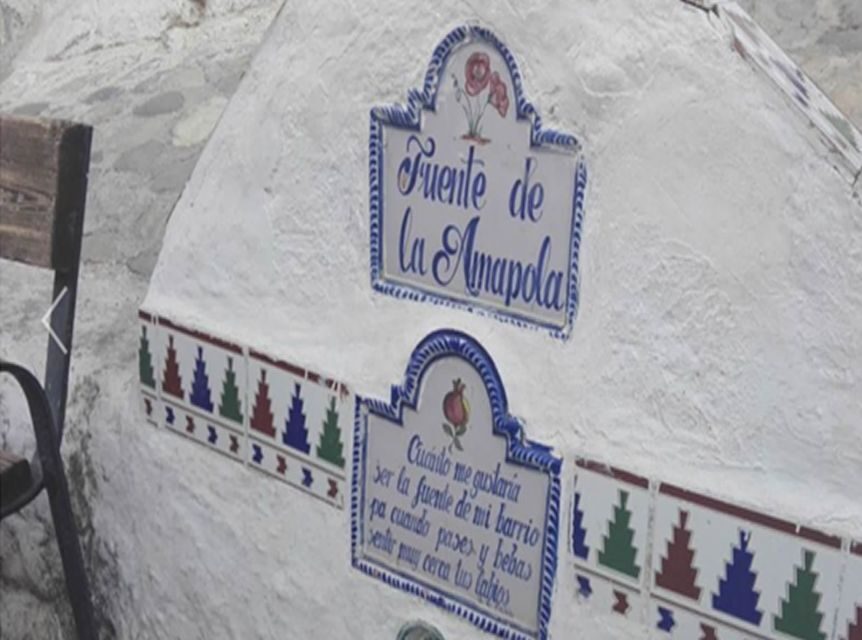
Sacromonte caves are the headline, but the tour’s strength is how it connects them to culture. You’ll learn about the neighborhood’s history through the guide’s storytelling approach, including how life here became linked with artistic traditions.
One reason this walk works so well is that it doesn’t treat Sacromonte like a theme park. You’re moving through actual streets that still function as a living neighborhood. That gives the caves more weight than a quick roadside stop.
If you like flamenco, this section is especially helpful. Some guides share pointers on flamenco’s origins and connect the neighborhood to the performance tradition. And several guides include practical suggestions for flamenco shows—one name that comes up is La Alborea—plus ideas for drinks and tapas after the walk.
Even if you don’t go to a show that night, you’ll leave with a clearer sense of why the music feels rooted here rather than dropped in from elsewhere.
How Tough Is the Walk, Really?
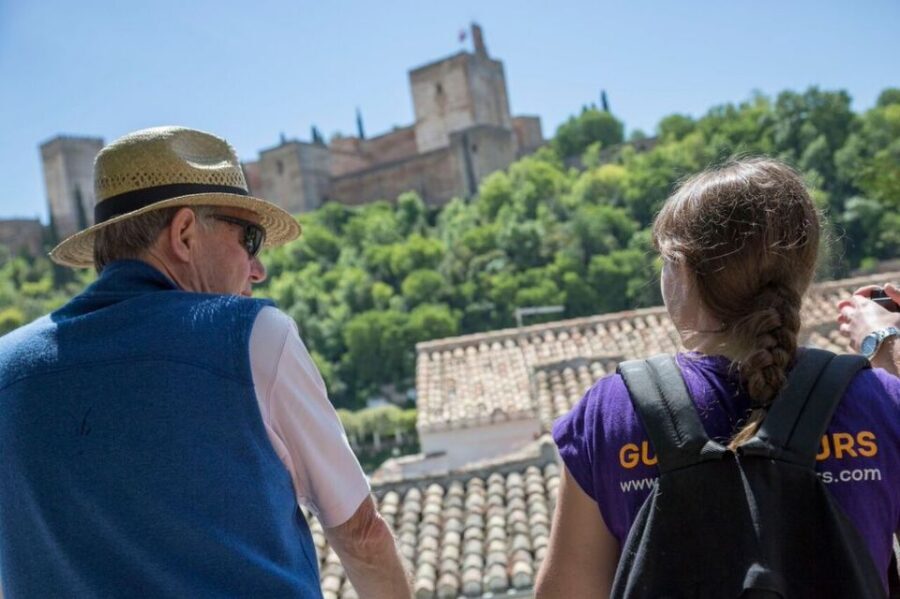
This is the honest part. This tour includes steep climbs and steps. You should treat it as a workout, not a stroll.
That’s not a dealbreaker for most people, because the pace is typically adjusted by the guide. In hot weather, some guides slow things down so the group can keep up. Still, you’ll want grippy shoes, water, and a mindset that short uphill bursts are part of earning those Alhambra views.
If you have knee issues or low stamina, you may prefer a less stair-heavy option. If you’re comfortable walking uphill for an extended period, you’ll likely find the scenery and explanations worth the burn.
What’s Included (And What Isn’t)
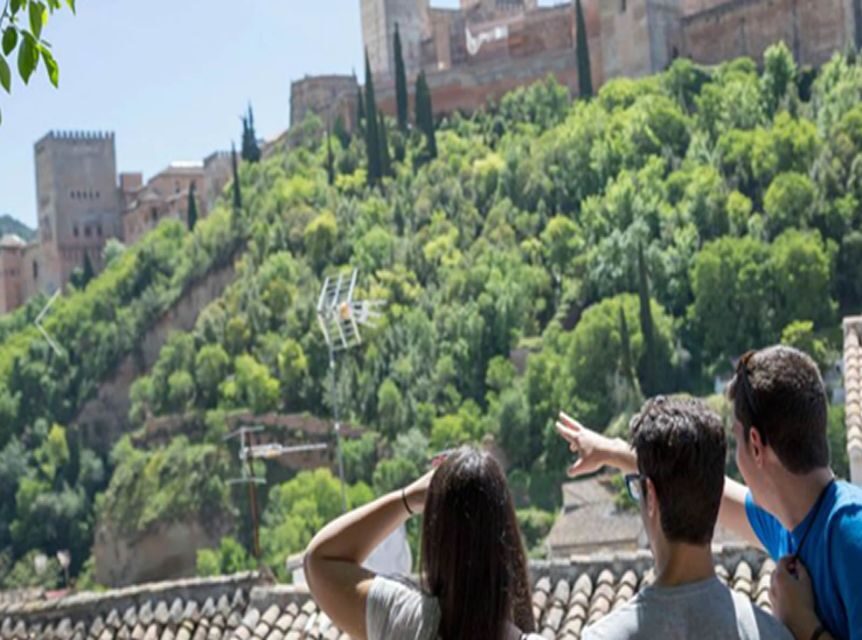
Included is straightforward: you get a live guide. That’s it. There aren’t any items listed like transport, ticketed museum entry, or food included.
So think of this as a guided history walk where the value comes from:
- seeing places you might miss on your own
- getting local context tied directly to what you see
- learning architecture and neighborhood development in a logical sequence
Since it’s a walking tour, you should also budget time for your own follow-ups afterward—like finding a tapas spot, taking extra photos, or wandering further in the areas you liked most.
Language: What to Expect with a Spanish-Language Guide
The tour is listed as a Spanish-language experience with a live guide. That’s your most important practical detail.
Some feedback credits certain guides for strong English ability, but since the official language is Spanish, the safest move is to confirm language support when you book if that matters for you. If you speak only basic Spanish, the tour can still be rewarding because architecture and viewpoints communicate a lot—just don’t rely on every detail being translated perfectly.
Value for $23: Why This Price Can Make Sense
At $23 per person for about 3 hours with a guide, this sits in the “good deal” category for a city like Granada, where finding the right angle and the right story usually costs time (and sometimes extra tickets).
The value isn’t that it’s cheap. It’s that you’re paying for guidance in two major historic neighborhoods rather than just one. You also get a mix of street walking, fortification context near the Alcazaba, and the distinctive Sacromonte cave setting—all tied together by a local perspective.
If you’re short on time and want a structured way to understand the city before you go sightseeing independently, this price feels fair. If you already know Granada deeply and you don’t care about history explanations, then you might prefer a self-guided route. For most first-timers, though, it’s an efficient use of time.
Tips for Getting the Most Out of the Walk
A walking tour goes better when you plan for discomfort, not when you hope it won’t happen.
- Wear shoes you trust on steep stone and uneven sidewalks.
- Start hydrated, and bring water for the uphill sections.
- Go slowly at the first Alhambra viewpoint. Let the guide’s context land.
- Save your biggest appetite for after the tour. Guides often share suggestions for tapas and drinks, and a solid meal after walking feels like part of the experience.
If you want a flamenco evening, ask your guide for the best match for your interests and your schedule. That kind of recommendation is one of the practical reasons people rate this tour highly.
Should You Book This Granada Tour?
Book it if you want a guided walking experience that connects Granada’s neighborhoods to real history you can see: Albaicín’s fortification remnants and Moorish design logic, then Sacromonte’s cave neighborhood and cultural roots tied to art.
Skip it if stair-heavy walking is a hard no for you. The scenery is worth it, but the climb is real, and the tour isn’t designed for a low-mobility pace.
If you’re visiting Granada for the first time and you plan to see the Alhambra soon, this tour is especially useful. It gives you context so the next day’s sightseeing isn’t just impressive. It’s understandable.
If you’re comfortable walking uphill and you enjoy learning from a guide who tells the story street by street, this is a strong buy for the time you spend.