REVIEW · GRANADA
Granada: Cathedral and Royal Chapel Guided Tour with Tickets
Book on GetYourGuide →Operated by Granada Incoming Card Sl · Bookable on GetYourGuide
Granada’s Royal Chapel is where Spain’s story turns. This guided tour takes you into two of the city’s biggest symbols: the Granada Cathedral (Spain’s first Renaissance church) and the Royal Chapel, built around the Catholic Monarchs’ final resting place. Along the way, you also get quick context walks through the downtown fabric of the older city, not just a sit-and-stare museum stop.
I especially like how the guide ties the art to the politics—why these rulers chose Granada, and what changed in the urban layout after Muslim rule. I also love the practical pacing: you move from major landmark to landmark with a ticketed plan that saves you time and guesswork. One watch-out: the tour isn’t suitable for people with reduced mobility, and the interiors are busy, with rules you’ll need to follow (including photo restrictions in the Royal Chapel).
In This Review
- Key Things to Know Before You Go
- Why This Tour Works: The Catholic Monarchs’ Choice, Explained
- Entering the Cathedral: Spain’s Early Renaissance in Action
- What to watch for during the guided stop
- Possible drawback to keep in mind
- Royal Chapel: Where the Catholic Monarchs Are Buried
- Expect art, rules, and a tighter feeling of space
- The guide quality can really show here
- The Short Walks: Calle Oficios and the Alcaicería Area
- Why these stops are worth the time
- The Flow of Your 1-Day Plan: How the Timing Feels
- You’ll want to arrive ready, not rushed
- Price and Value: Is $50 Worth It?
- Who Should Book This Tour (And Who Might Not Love It)
- Tips to Get the Most From It
- Should You Book This Cathedral and Royal Chapel Guided Tour?
- FAQ
- How long is the visit?
- Where do I meet the guide?
- What’s included in the $50 per person price?
- What languages are available?
- Do I need to print my tickets?
- Is the tour suitable for people with reduced mobility?
Key Things to Know Before You Go
- Tickets included for both the Cathedral and the Royal Chapel, so you skip the ticket line shuffle
- Small group format means you actually hear what’s going on inside the monuments
- Royal Chapel photo rules apply, so plan to focus on details instead of shooting everything
- Multiple languages (English, French, Spanish) with a live guide throughout
- Historic downtown context via short walks in areas tied to Granada’s layered past
- Meet at Plaza Isabel la Católica, right behind the Capitulations monument with Isabella I and Columbus
Why This Tour Works: The Catholic Monarchs’ Choice, Explained
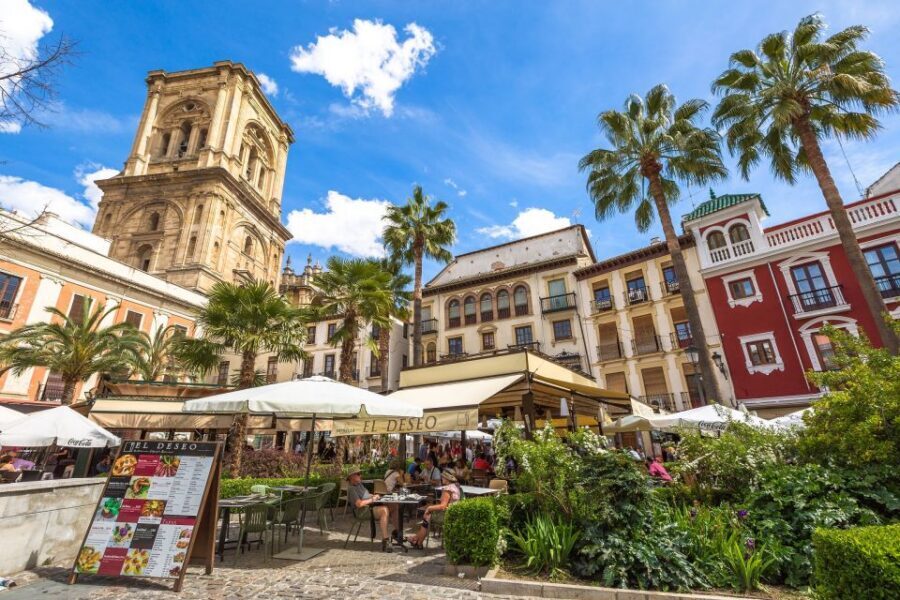
Granada can feel like three cities stacked on top of each other: the old Nasrid world, the post-Reconquista Christian power structure, and the later layers that kept reshaping what visitors see today. This tour gives you a clear way to read that stack.
The key idea is simple: the Catholic Monarchs (Isabel and Fernando) didn’t pick Granada at random. They united kingdoms across the Iberian Peninsula and ended Islamic rule in the region, and Granada became part of the new official identity. You see that shift most clearly in the way the Cathedral and Royal Chapel were built to symbolize authority—religious power, yes, but also a new civic and cultural direction.
What makes the experience feel worthwhile is the way the guide points out details that connect art and architecture to that message. For many visitors, “big church, pretty art” is the start—but it becomes something more when you understand why these spaces were meant to stand for a new era.
You can also read our reviews of more tours and experiences in Granada


Entering the Cathedral: Spain’s Early Renaissance in Action
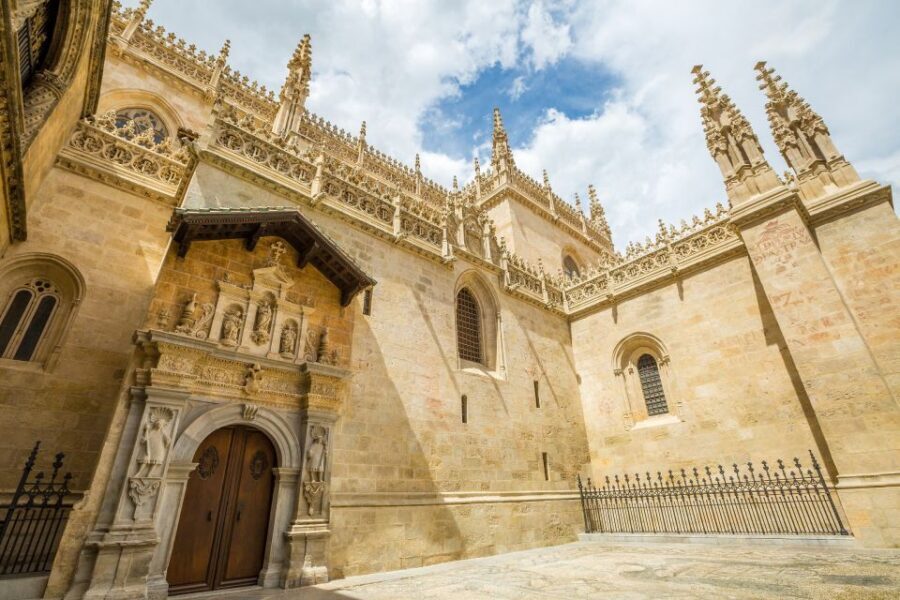
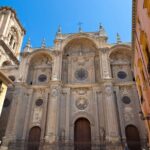
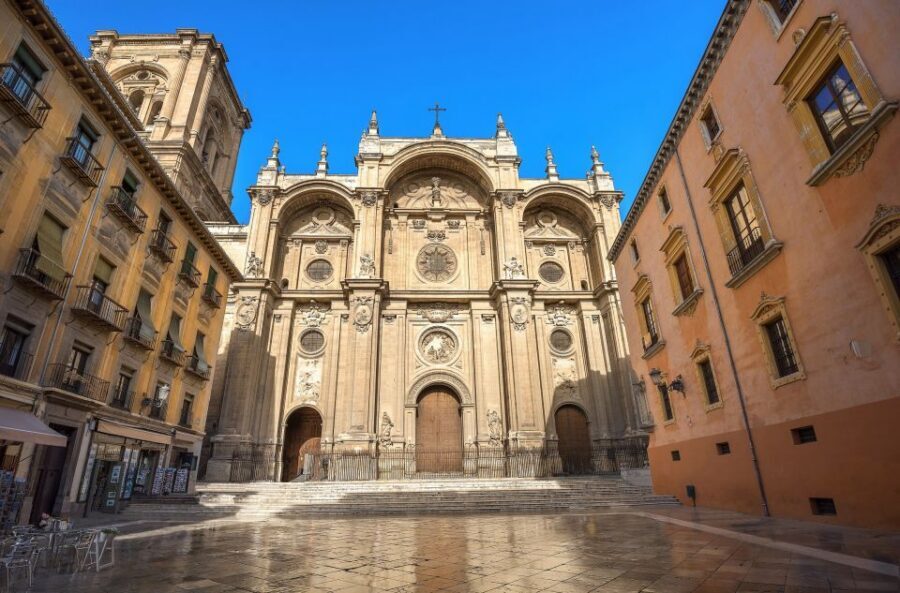
The Cathedral is the big anchor of the visit. It’s described as Spain’s first Renaissance church, and it’s also the second largest in the country. That matters because you’re not just looking at a single “Renaissance moment”—you’re walking into a major statement building, shaped by decades of ambition.
Inside, you’re in a space where multiple styles meet, but the guide’s job is to help you notice what’s intentional. A recent visitor highlighted that the Cathedral dates to the 16th century and pointed out the scale of its features, including a chapel with a dome said to rise about 45 meters. Even if you’re not measuring height in your head, you’ll feel it: tall lines, strong geometry, and enough space for ceremonies to feel dramatic.
What to watch for during the guided stop
You’ll get a structured visit and time to view the key areas. The guide also aims to point out both the obvious and the “wait, look at that” details. One review credited Christian for providing lots of information, answering questions, and giving ample time to view highlights.
If you’re someone who enjoys learning why things look the way they do—materials, symbolism, artistic choices—this Cathedral portion is where you’ll feel the payoff.
Possible drawback to keep in mind
Churches don’t always move at tourist pace. One review mentioned crowded conditions and services during Holy Week. You can still have a great time, but you may need to be patient in tighter spaces where the schedule of worship affects movement and photo opportunities.
Royal Chapel: Where the Catholic Monarchs Are Buried
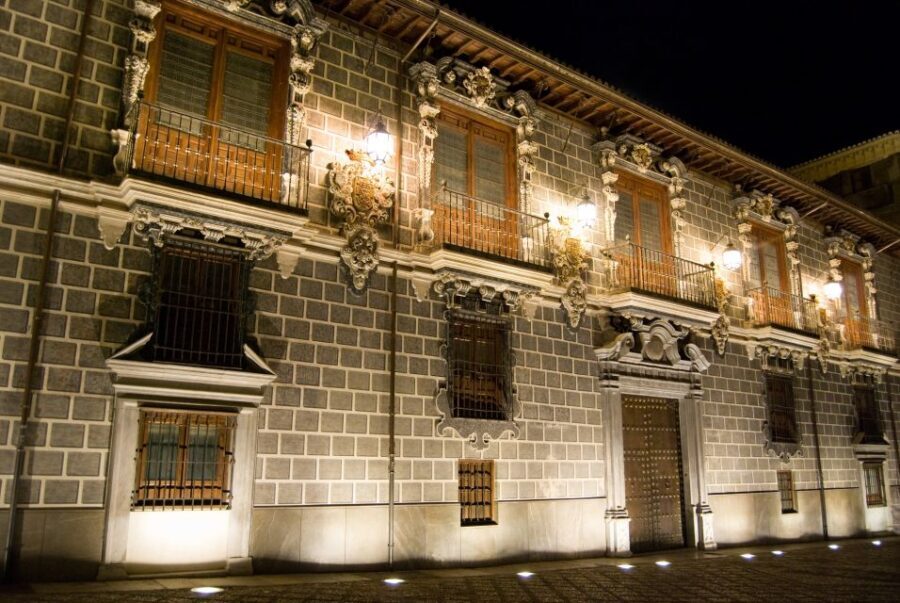
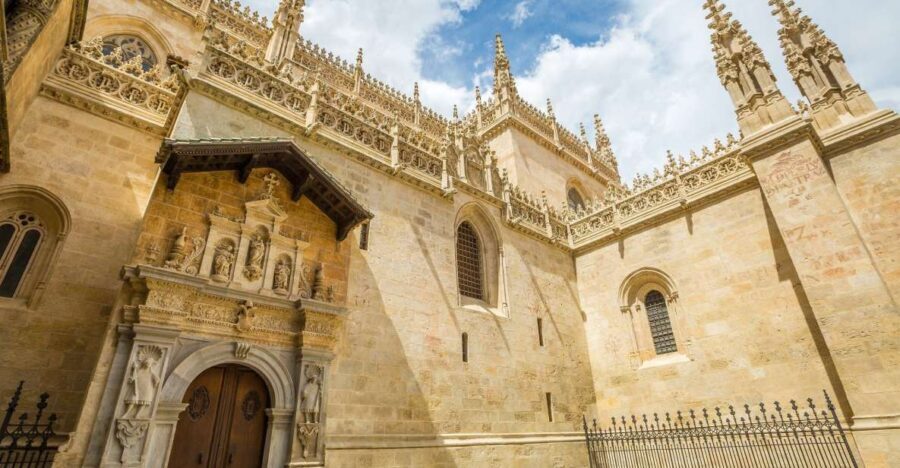
Then you shift from the Cathedral’s grandeur to a more focused, high-impact space: the Royal Chapel of Granada. This is the part that usually makes the tour memorable, because it’s built directly around the Catholic Monarchs’ burial—Isabel and Fernando.
This isn’t just “a beautiful chapel.” It’s a site meant to carry political legitimacy and religious significance. The architecture and the artwork inside function like an official monument to a new order.
You can also read our reviews of more guided tours in Granada
Expect art, rules, and a tighter feeling of space
One visitor specifically noted that the guide started in the Royal Chapel and that photos are not allowed there. That detail matters for your planning. Bring your attention, not your camera fantasy. If you love craftsmanship, you’ll still be rewarded—you just need to experience it rather than document it.
You may also hear about decorative elements associated with the period. The tour description points to treasures housed in these buildings, including Plateresque features like the choir stalls. Those are the kinds of details that look “busy” at first glance, but become fascinating when you’re guided through what you’re seeing.
The guide quality can really show here
The Royal Chapel is the kind of place where a guide’s approach matters. One review praised Christian’s enthusiasm and his willingness to answer questions, while another mentioned a guide who followed her script tightly. Translation: if you’re the type who asks spontaneous questions, aim to keep it respectful and tied to what you’re seeing.
The Short Walks: Calle Oficios and the Alcaicería Area
A good guided tour doesn’t stop at two monuments and call it a day. This one includes short downtown walks that help you connect the Cathedral area to the older city fabric.
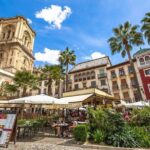
After the Cathedral, you’ll have a brief stop in Calle Oficios, Granada. Then you’ll continue through Alcaicería (often associated with the historic silk market area). These are short visits—think quick context rather than a long wandering session—but they help you understand the city’s layout and trade life.
Why these stops are worth the time
The tour highlights a “new urban model differentiated from Muslim” and points to how the downtown area of the Nasrid city contains attractions you can’t miss. In practical terms, that means you’ll start to notice how the Christian-era power center and the earlier commercial life existed side by side—or in some places, were re-planned over.
So even if you’re not staying long in these streets, you’re getting the sense that Granada’s history didn’t politely stay behind museum glass. It shows up in street patterns and landmark clustering.
The Flow of Your 1-Day Plan: How the Timing Feels
The tour is listed as about 1 hour and 15 minutes for the visit, and the itinerary shows a guided pace that includes visiting the Cathedral, quick guided walks, and then a longer visit at the Royal Chapel.
Here’s how that usually plays out in real life: you won’t have “wander in your own time” luxury. You’ll get clear pacing, guided focus, and just enough viewing time to appreciate major highlights without losing the thread.
You’ll want to arrive ready, not rushed
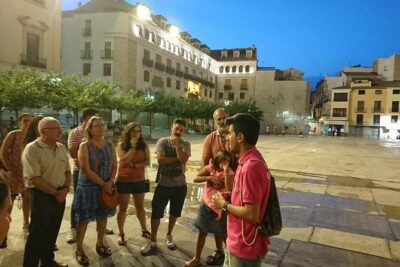
You meet at Plaza Isabel la Católica, behind the Monument of the Capitulations with the statue of Queen Isabella I and Christopher Columbus. You’re expected to be there 15 minutes early, which is a good habit in any old-city area. Bring your ID/passport, since it’s required.
Also, keep in mind the restrictions: no pets, and no luggage or large bags. That’s mostly about preserving a smooth flow inside ticketed sites.
Price and Value: Is $50 Worth It?
At $50 per person, this is not a cheap “stand outside and hear a story” walking tour. But you are paying for three things that add real value:
- Official guide time through both monuments
- Tickets included for the Cathedral and the Royal Chapel
- A small group setup, which typically keeps the explanation clearer inside crowded spaces
If you were to buy tickets separately and then try to match the visit order yourself, you’d lose the benefit of a planned route and a guide who can explain what you’re seeing while you’re looking at it. In other words, you’re buying time and clarity, not just entry.
For many visitors, the decision comes down to how much you care about connecting architecture to historical meaning. If that’s your style, this tour tends to feel like strong value.
Who Should Book This Tour (And Who Might Not Love It)
This is a great fit if you want a guided, ticketed introduction to Granada’s most important Catholic-era monuments. It’s also well suited for first-timers who don’t want to spend their time figuring out where to go next inside a tight historic center.
It may be less ideal if you need step-free access, since it’s specifically noted as not suitable for reduced mobility. If you rely on mobility aids, you should consider an alternative plan that you can navigate more easily on your own.
If your travel style is mostly “show me the view and the photos,” you might feel slightly restricted—especially because the Royal Chapel has photo limitations. The upside is that the tour pushes you toward looking closely, not just shooting quickly.
Tips to Get the Most From It
Here are a few practical ways to make the hour-and-change feel like more:
- Carry your reservation on your phone so you don’t waste time trying to find paperwork.
- Keep your questions tied to what you’re seeing. The best guide responses are usually the ones that connect back to the monument in front of you.
- Expect crowds during busy religious periods. If you’re visiting around major church dates, be ready for slower movement.
- Plan for walking on stone and tight paths. Even if it’s not a long-distance day, old-city surfaces can feel uneven.
Most importantly: treat the guide’s explanation as part of the monument, not extra. In places like the Royal Chapel, context turns decoration into meaning.
Should You Book This Cathedral and Royal Chapel Guided Tour?
I’d book it if you want a focused, ticketed introduction to Granada’s Cathedral and Royal Chapel, with a guide who can connect Renaissance architecture and major religious symbolism to the political story of the Catholic Monarchs. It’s also a smart choice if you like short, organized sightseeing that doesn’t demand hours of planning.
Skip or reconsider if mobility access is an issue for you, or if photo-taking is your top priority—especially inside the Royal Chapel, where restrictions apply.
If your goal is to leave with a clear picture of why these buildings matter and what to notice when you look up at the details, this tour delivers that.
FAQ
How long is the visit?
The visit is listed at about 1 hour and 15 minutes.
Where do I meet the guide?
You meet at Plaza Isabel la Católica (18009 Granada), behind the Monument of the Capitulations, the statue of Queen Isabella I and Christopher Columbus.
What’s included in the $50 per person price?
The price includes an official guide plus tickets for the Granada Cathedral and the Royal Chapel of Granada.
What languages are available?
You can choose a live guide in French, English, or Spanish.
Do I need to print my tickets?
No. You need to carry the reservation document on your mobile; printing isn’t required.
Is the tour suitable for people with reduced mobility?
No. The tour is not suitable for people with reduced mobility because the layout and the floor are not fully enabled.
If you want, tell me your travel dates and whether you prefer Cathedral-first or chapel-first on-site, and I’ll help you plan the rest of your Granada day around this stop.