REVIEW · ALBAICIN & SACROMONTE TOURS
Granada: City center and Albaicin Private Tour
Book on GetYourGuide →Operated by Walk In Granada Tours (Abaq DMC Spain SL) · Bookable on GetYourGuide
Albaicín views put Granada in context. On this 2.5-hour private walk, you trace how Granada shifts from the Muslim world to the Christian era, with stories tied to places like the Royal Chapel and the Madraza. I love the Albaicín lookout and the Alhambra panorama, and I like how the guide links Arabic academic life and the origins of flamenco to the streets you’re standing on. The only real drawback is the uphill walking, so it’s not wheelchair-suitable and you’ll want sturdy shoes.
I also appreciate that it’s truly private for up to 2 people, so the official local guide can set a comfortable pace and explain what matters without the usual group chaos. Starting in Plaza Nueva is a smart move: it gives you an easy “where am I?” reference point before you go climbing into the old quarters.
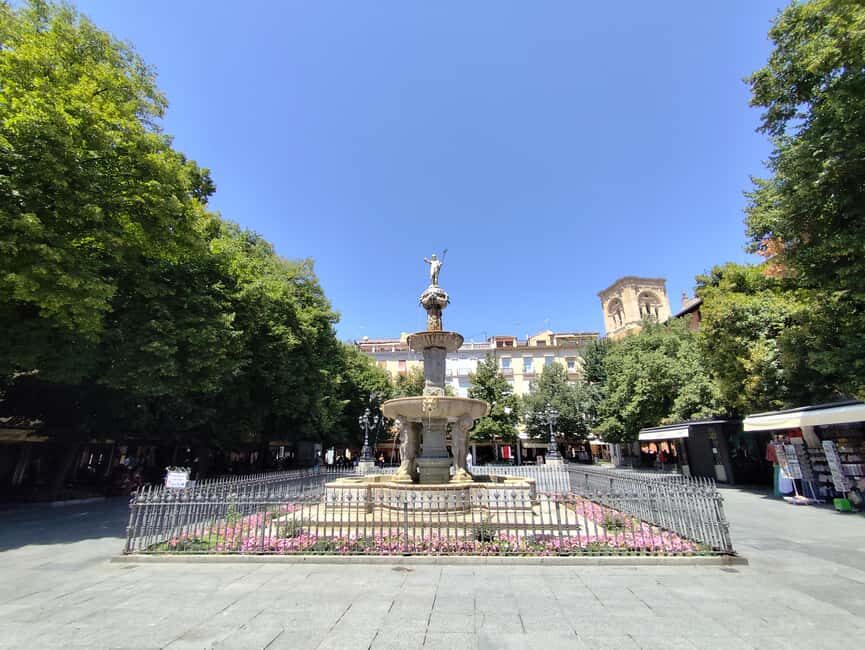
Price runs $193 per group up to 2 for about 2.5 hours, and that’s a good deal if you want depth, not a quick photo sweep. You meet at the fountain in Plaza Nueva and end right back at the same spot, which helps your afternoon plans.
In This Review
- Key highlights I’d plan around
- City-center to Albaicín: how this 2.5-hour route really works
- Plaza Nueva start: your orientation point before the climb
- Cathedral, City Hall, and Corral del Carbón: seeing the Christian-era markers
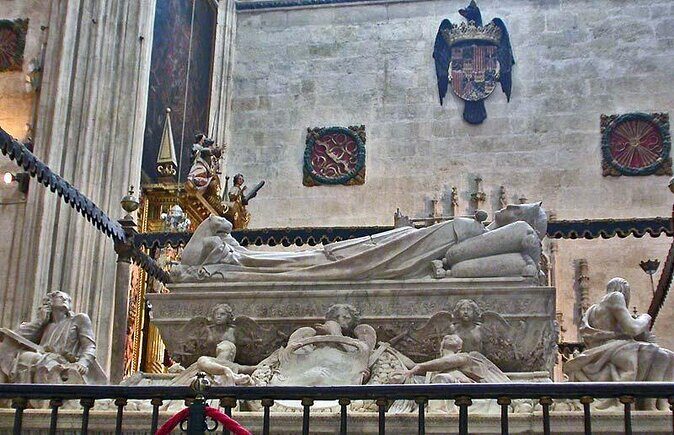
- Royal Chapel: the history stop that makes the rest click
- Madraza: Arabic academic life, explained where you can see it
- Alcaicería: stepping back into the Nasrid Kingdom
- Where flamenco fits: origins in Granada, not just a show
- Albaicín and the Alhambra view: the moment you’ll plan for
- Cármenes and hidden corners: the charm is in the details
- Price and value: $193 per group up to 2 for 2.5 hours
- What to bring (and why it matters on this route)
- Language options and who it suits best
- Should you book this Granada City center and Albaicín private tour?
- FAQ
- How long is the Granada City center and Albaicín Private Tour?
- Where do I meet the guide, and where does the tour end?
- Is this tour suitable for wheelchair users?
- What languages are available for the live guide?
- Is this a private tour?
- What should I bring for the walk?
- Is there free cancellation or pay-later booking?
Key highlights I’d plan around
- Albaicín lookouts and the Alhambra view: the kind you remember after you leave the viewpoint.
- Royal Chapel history focus: a major Granada stop made easier to understand on foot.
- Madraza lessons on Arabic academic life: culture explained through real places.
- Alcaicería and the Nasrid Kingdom: stepping back in time in a visually strong setting.
- Flamenco origins in Granada: a story thread that ties art to the city’s past.
- Cármenes and hidden corners: you get more than the postcard routes.
City-center to Albaicín: how this 2.5-hour route really works

This is a short tour that packs a lot into 2.5 hours. The trick is the flow: you start in central Granada, then you gradually move uphill toward the Albaicín, the old Muslim quarter. That walking pattern matters because the city’s layers make more sense when you feel the terrain under your feet.
The route is built to show contrasts. You’ll move between key buildings tied to the Christian era—like the Cathedral and City Hall—and areas that represent the earlier Muslim period, including the Madraza and Alcaicería. By the time you’re in the Albaicín, the guide’s story has already set up what you’re seeing.
You’re also on stone paving. It’s beautiful, but it’s still uneven walking. Plan for short steps and a steady pace, especially if you’re visiting in warmer months. The tour asks for comfortable shoes for a reason.
You can also read our reviews of more city tours in Granada

Plaza Nueva start: your orientation point before the climb
Meet your guide next to the fountain in Plaza Nueva. That meeting spot isn’t random. It’s central, easy to find, and it acts like a starting “anchor” before you head into the older parts of town.
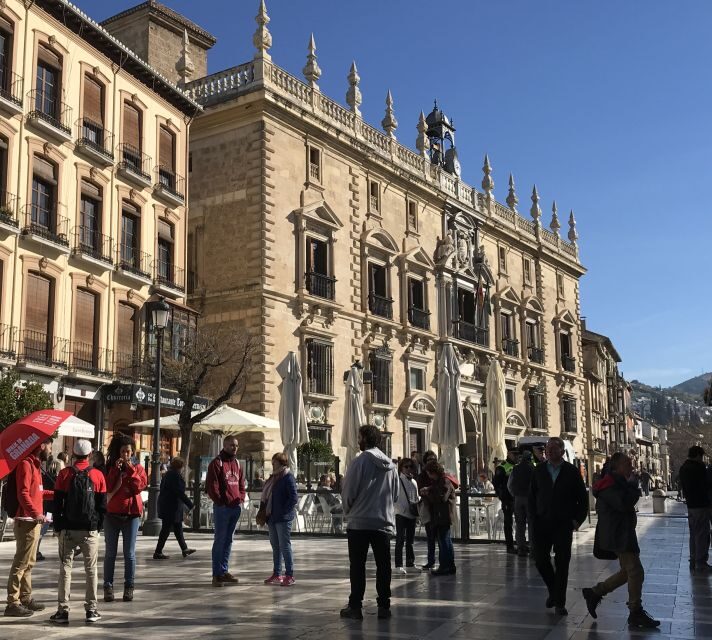
From there, the tour follows important downtown landmarks first, including the Cathedral, City Hall, and Corral del Carbón. You’re not just looking at buildings—you’re getting the storyline that connects them. That makes later stops easier, because you’ll already know what era you’re entering and why it matters.
If you tend to get lost in cities, you’ll like this format. You’re not thrown into the labyrinth immediately. You get bearings fast, then the tour gently shifts you into the maze of the Albaicín.
Cathedral, City Hall, and Corral del Carbón: seeing the Christian-era markers
These stops are your “city structure” lesson. The Cathedral, City Hall, and Corral del Carbón are prominent enough that you’ll recognize them in photos—but on foot, with a guide, they’re about meaning, not just views.
The tour’s central theme is the transition between eras. So when you hit these downtown anchors, the guide helps you read Granada as a place that changed course over time. You’ll understand what came before, what replaced it, and how both periods left visible marks in the city’s layout.
A practical benefit: these early stops are often easier walking than the later uphill sections. So by the time you climb, you’re warmed up and your legs are ready for the steeper lanes.
Royal Chapel: the history stop that makes the rest click
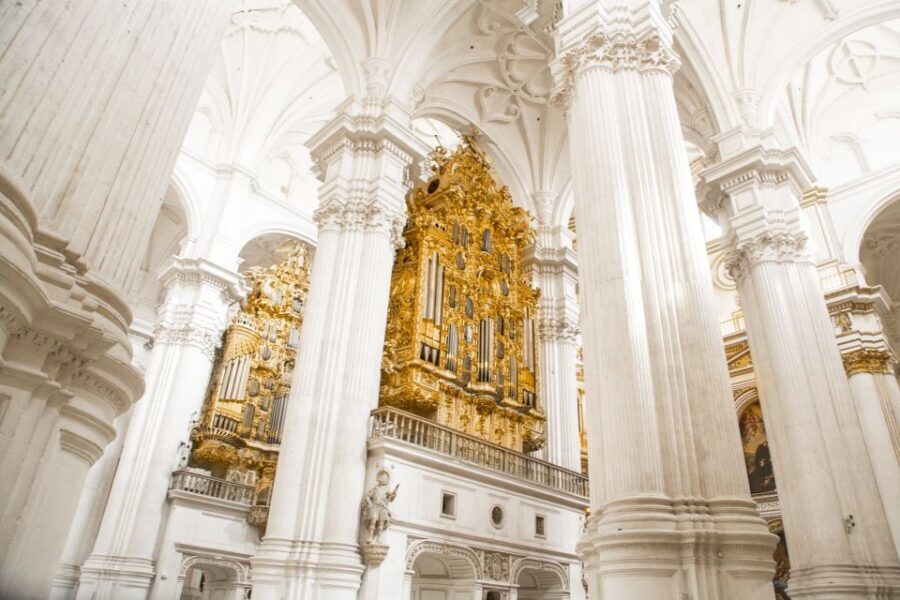
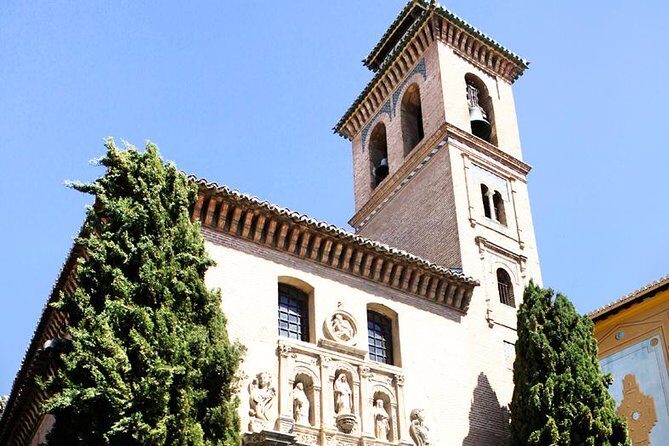
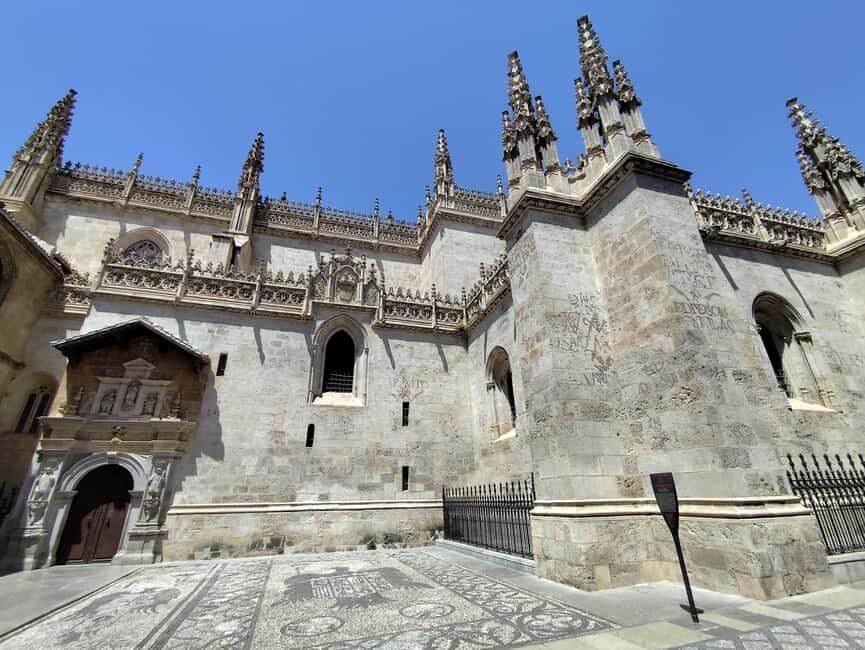
The Royal Chapel is one of the highlights, and it earns that attention. It’s a place where Granada’s “after the change” story becomes concrete. Instead of treating it as a must-see building, the guide frames it as part of the bigger narrative you’ll keep hearing through the rest of the walk.
This stop also works well for people who like context. If you’ve visited cathedrals and palaces before but felt like you needed the missing glue, this is that glue. The tour doesn’t just point out what’s where. It explains why the Royal Chapel fits into Granada’s shifting identity.
I like that this kind of storytelling prevents the usual “check-list tourism.” You’re still seeing the landmark, but you’re also learning how it connects to what you’ll see later: the Muslim-era sites and the viewpoints from the Albaicín.
Madraza: Arabic academic life, explained where you can see it
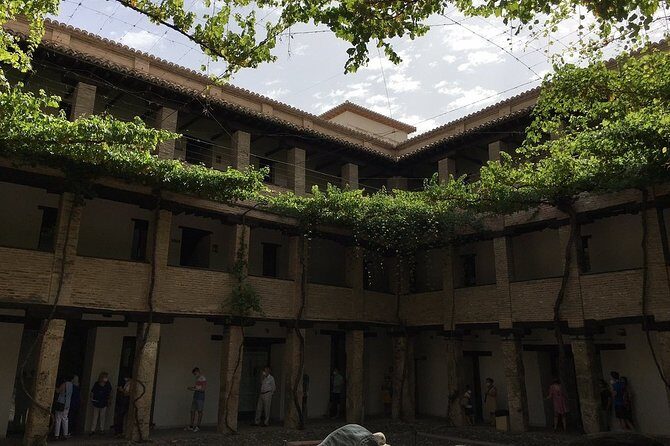
Next up is the Madraza, described as a key place tied to Arabic academic life. That wording matters. Instead of making Granada’s past feel like it lives only in palaces and legends, the tour brings you to an institution-type story: education, knowledge, and how culture was organized.
Even if you don’t know much Arabic-era history going in, you’ll have a framework. You’ll understand that the Muslim period wasn’t only architecture and rulers—it also had systems for learning and intellectual life. The guide uses the location itself to make the explanation stick.
This is one of those stops where a good guide saves your brain. You’ll leave knowing what to look for in similar buildings across Spain, because you’ll have a simple way to connect function to era.
You can also read our reviews of more private tours in Granada


Alcaicería: stepping back into the Nasrid Kingdom
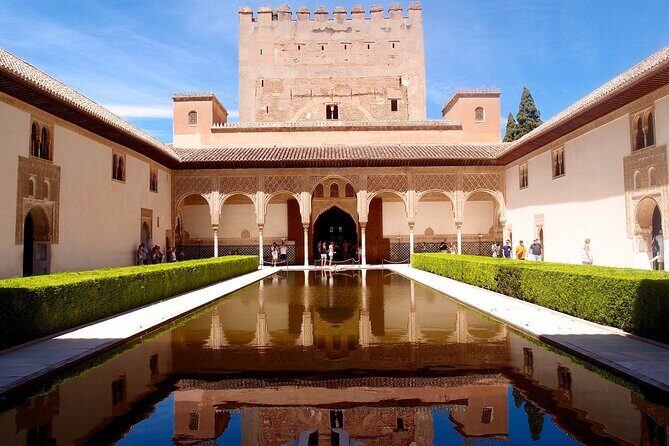
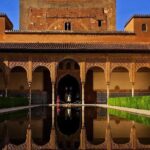
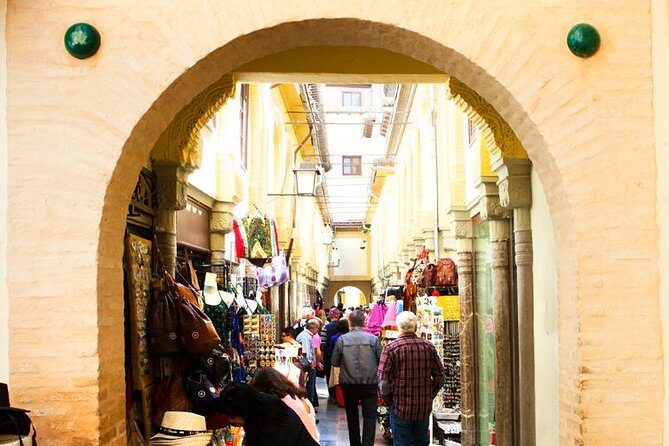
The tour then moves to the Alcaicería, with the theme of stepping back in time to the Nasrid Kingdom. The Alcaicería is essentially where the city’s past feels like a different world—especially in the way it’s tied to trade and daily life in story form.
Here’s the value: the guide isn’t only reciting dates. The tour ties this place to the idea of a living, operating kingdom. That helps if you’ve ever felt that old cities become museum sets. This walk makes the past feel more like a system people used.
Because this stop is part of the larger “Muslim to Christian transition” arc, you’ll start noticing how each location represents a different piece of Granada’s identity. It’s less about one building and more about the pattern of change.
Where flamenco fits: origins in Granada, not just a show
One of the tour highlights is a discussion of the origins of flamenco in Granada. That detail is easy to underestimate until you hear it in context with everything else.
Flamenco isn’t treated here like a random cultural fact. The guide uses the city’s history and cultural mix to explain why the art form belongs in Granada’s story. You’re basically learning to connect culture to place.
This is especially good for visitors who only think of flamenco as a performance. By the end of the walk, you’ll have a better sense of how the city’s past connects to its modern identity.
Albaicín and the Alhambra view: the moment you’ll plan for
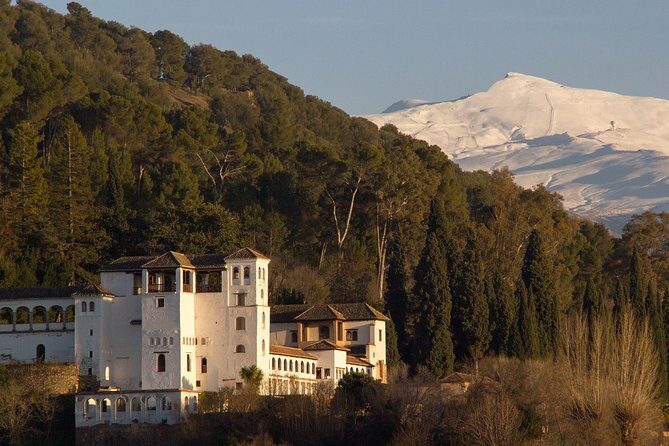
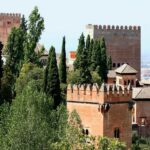
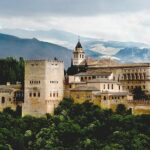
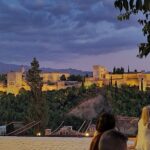
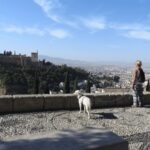
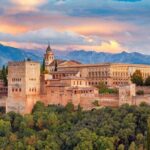
The uphill section leads you into the Albaicín, and that’s where the tour’s “wow” moments peak. The guide takes you to unique places in the Albaicín, including lookouts with a magnificent view of the Alhambra.
This is not a single photo stop. The idea is to give you a sense of the old Muslim quarter’s viewpoint logic—how people chose where to stand, where to build, and how the city reveals itself at angle.
If you’re the type who hates rushing viewpoints, this tour helps. Because it’s private, your guide can slow down where it counts and keep the walk moving where it needs to. It feels like you’re walking with the scenery, not running to it.
Practical note: viewpoints can tempt you to linger longer than planned. Good. Just remember it’s still an active walking tour, and the route has multiple stops.
Cármenes and hidden corners: the charm is in the details
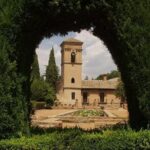
One of the tour’s promises is hidden corners and authentic houses called Cármenes. That matters because the Albaicín can look similar in photos until you’re actually inside it.
You’ll see why Cármenes are mentioned as a defining part of traditional life in this area. The guide points out the vibe of the neighborhood—quiet pockets, stone lanes, and the feel of a place that hasn’t been flattened into a single straight tourist path.
This is also where the tour’s “Muslim quarter story” becomes personal. You’re not just reading about the old quarter. You’re walking through it while the guide explains how the city’s identity shifted over time.
It’s a good match for travelers who enjoy walking for the experience, not only for the destination.
Price and value: $193 per group up to 2 for 2.5 hours
Let’s talk money plainly. The tour costs $193 per group up to 2, and lasts about 2.5 hours. That pricing makes the biggest sense for two situations:
- You’re traveling as a couple or pair and want privacy without cutting corners.
- You want a guide who can tailor pacing to your comfort level, especially with uphill walking.
If you’re solo, it can still be worth it if you value one-on-one attention and don’t want to share your guide with a larger group. A private tour costs more than shared options, but you’re paying for a tighter connection to places like the Royal Chapel, Madraza, Alcaicería, and the Albaicín lookouts.
The good news: because the itinerary focuses on emblematic areas rather than random stops, the time doesn’t feel wasted. It’s an efficient way to get an overview of Granada’s major layers in a single morning or afternoon slot.
What to bring (and why it matters on this route)
This walk is active and outdoors, with uphill sections and stone paving. Bring what the tour asks for:
- Comfortable shoes for uneven surfaces and climbs
- Water so you don’t run out mid-route
- Sunscreen especially if you’re visiting in bright daytime
Also, think about sun and shade on the climb. Albaicín lanes can feel cooler at certain angles, but you can still get direct sun between stops. Light planning beats sore legs.
Language options and who it suits best
The guide is listed as an official local guide in English or Spanish, and additional language options are listed as Spanish, English, Italian, French, Portuguese, and German. So if you don’t speak English, you still have a solid shot at getting a comfortable explanation.
Who will love this tour:
- People who want the Granada story from the city itself, not just from a guidebook
- Visitors who care about the Muslim-to-Christian transition and want it explained clearly
- Anyone interested in how culture, including flamenco, connects to place
- Couples or small groups who prefer privacy over crowd navigation
Who might find it less ideal:
- Wheelchair users, since it’s not suitable for wheelchairs
- Anyone expecting a mostly flat stroll or a low-effort walk
Should you book this Granada City center and Albaicín private tour?
I think you should book it if you want a guided walk that ties viewpoints and major landmarks into a single storyline. The Albaicín lookout over the Alhambra is a top reason by itself, but the tour’s real strength is the way it links the Royal Chapel, Madraza, and Alcaicería to the bigger shift between Granada’s eras.
If you hate uphill walking or want something fully accessible, skip it. Otherwise, it’s a smart use of 2.5 hours: you start in the easy-to-navigate Plaza Nueva, you learn in downtown anchors, and you finish in the Albaicín where the city finally feels like it belongs to you.
FAQ
How long is the Granada City center and Albaicín Private Tour?
The tour lasts about 2.5 hours. Starting times depend on availability when you book.
Where do I meet the guide, and where does the tour end?
Meet your guide next to the fountain in Plaza Nueva. The tour ends back at the meeting point.
Is this tour suitable for wheelchair users?
No. It is not suitable for wheelchair users.
What languages are available for the live guide?
The guide is listed as available in English or Spanish, and additional languages listed include Italian, French, Portuguese, and German.
Is this a private tour?
Yes, it’s a private group experience.
What should I bring for the walk?
Bring comfortable shoes, sunscreen, and water.
Is there free cancellation or pay-later booking?
There is free cancellation up to 24 hours in advance for a full refund. You can also reserve now and pay later to keep plans flexible.