REVIEW · GRANADA
Granada: End of the World Viewpoints 4×4 Tour in the Geopark
Book on GetYourGuide →Operated by Goyo Garrido Adventures · Bookable on GetYourGuide
One road turns into a viewpoint parade. This 4×4 Geopark outing from Guadix guides you to the famous End of the World viewpoints and shows how the valleys around Olla de Guadix were shaped. Along the way, the land stops being vague scenery and starts feeling like a story you can read.
I also love the medieval cave fortresses stop, especially the chance to enter Covarrones Cave and Tía Micaela in Cortes, where Berber mercenaries settled and fought in the S. X and XI. The main catch is weather: the tour is subject to adverse weather (and it also needs a minimum number of passengers), so on iffy days your plans can shift.
In This Review
- Key things I think you’ll care about most
- The Geopark’s End of the World viewpoints: why the angles matter
- Guadix to the viewpoints by 4×4: adventure with real-world comfort
- From Paulenca to the End of the World: spotting the valley’s logic
- Down the Alhama valley: where routes shaped towns like Iliberis
- Marchal Gullies Natural Monument: geology with posture
- Covarrones Cave and Tía Micaela: the Berber mercenaries angle you won’t forget
- The wine stop at Bodegas Palanga: a simple finish that feels earned
- Price and value: what you’re really paying for at $127
- Who should book this 4×4 Geopark tour
- Should you book the Granada End of the World Viewpoints 4×4?
- FAQ
- How long is the Granada End of the World Viewpoints 4×4 tour?
- Where does the tour start and where do I meet the guide?
- Is hotel pickup included?
- How much does it cost?
- How big is the group?
- What languages are offered?
- What stops are included in the itinerary?
- What should I bring?
- Is the tour affected by weather?
Key things I think you’ll care about most
- Small group of up to 6: more questions, less crowding at viewpoints
- End of the World viewpoints from Guadix: the “wow” comes from how the driving angle reveals the terrain
- Marchal Gullies Natural Monument: dramatic formations with explanations that help you see them clearly
- Cave fortresses that are usually closed: Covarrones Cave and Tía Micaela give you real perspective
- Wine stop at Bodegas Palanga: a tall glass to round out the day without rushing
The Geopark’s End of the World viewpoints: why the angles matter
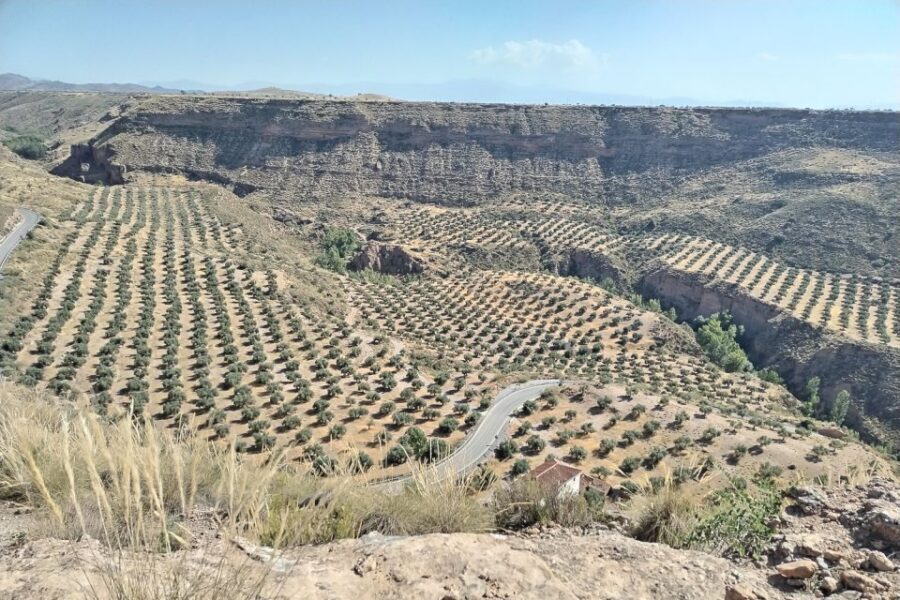
This is one of those Granada-area experiences where the place sounds dramatic before you even get there. End of the World viewpoints do have that name-for-a-reason feel, but what really changes the experience is the route and the viewpoint sequence.
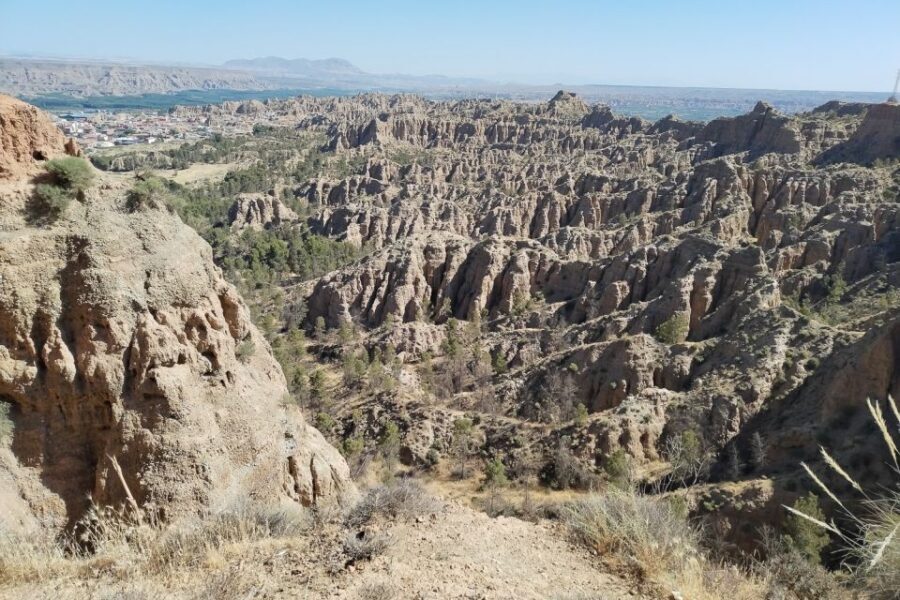
You start in Guadix and head through Paulenca before you reach the viewpoints. That matters because you’re not just arriving at a single scenic overlook. You’re watching the terrain gradually unfold, with the guide helping you understand how the great valleys of Olla de Guadix and the wider Geopark area were modeled over time. In practical terms, the landscape stops being “pretty” and becomes legible. You start noticing slopes, cuts, and how the land channels water and travel.
The stop isn’t just for photos, either. You’ll get time to observe and connect what you’re seeing to the valley design. If you enjoy geology, this kind of guided reading of the terrain is the difference between a quick look and a trip that stays with you.
You can also read our reviews of more tours and experiences in Granada.
Guadix to the viewpoints by 4×4: adventure with real-world comfort
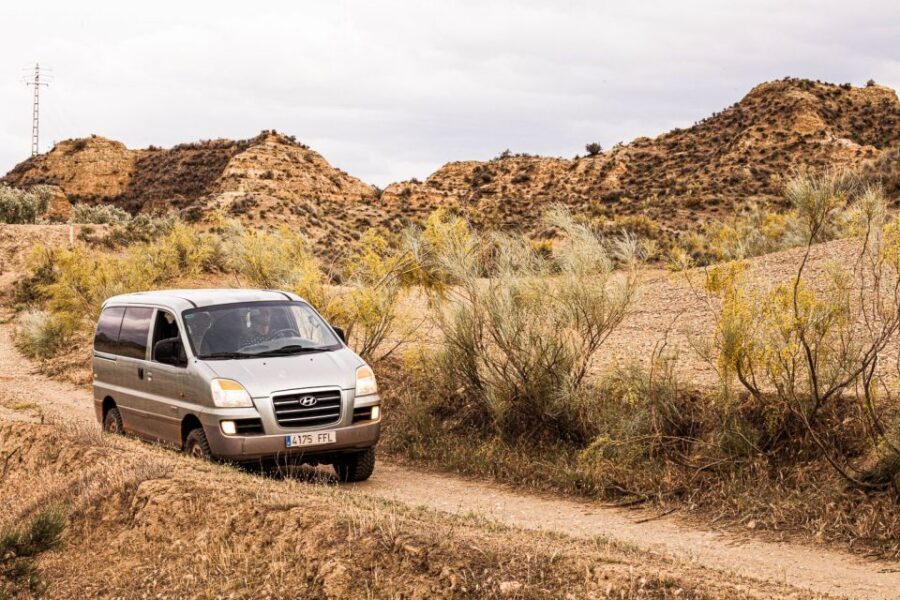
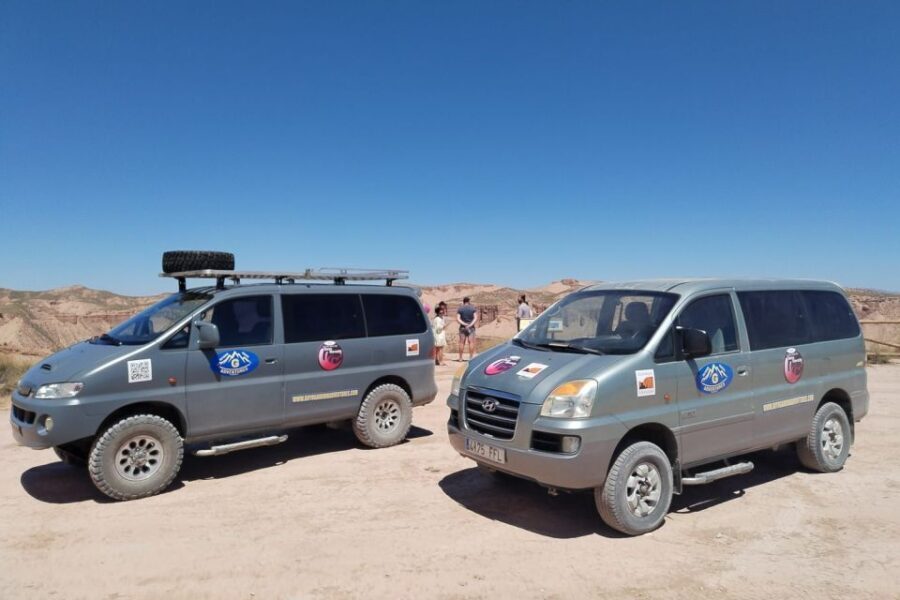
Let’s talk about the transportation, because it’s half the point of this tour. You’re in a 4×4 starting from Guadix, and the route is designed to reach spots regular cars often can’t handle comfortably or safely. That’s where the adventure comes in.
This is also why your clothing choices matter. The tour expects you to get out and move with intention. Bring comfortable clothes and sports shoes, not stiff fashion footwear. Sunglasses and a camera are also worth it, since the scenery is strong and the light can be harsh.
One more practical note: the paths and roads aren’t described as flat and easy. Some sections can be narrow, with serious drop-offs and terrain that doesn’t feel like a groomed walking trail. If you’re the type who likes wide lanes and steady ground, you might find the drive and the short walking breaks more intense than a gentle countryside stroll. If you’re okay with that, you’ll likely love how close the tour gets you to the real operating edges of the Geopark.
Group size helps here. It’s capped at a small group of 6 participants, which keeps the pace flexible and makes it easier to hear the guide without shouting over everybody else’s questions.
From Paulenca to the End of the World: spotting the valley’s logic
The segment from Paulenca to the End of the World viewpoints is where I’d expect the “I get it now” feeling to kick in. The guide’s job here is to translate the landscape into understandable forms: why valleys look the way they do, and how the Geopark’s terrain was carved and organized.
You’re specifically set up to observe and understand how the great valleys of Olla de Guadix and the Geopark were modeled. That’s a big deal because it turns a drive into a lesson with payoff. Instead of being transported from A to B, you’re being taught what to look for as you move.
Also, you’ll likely feel the timing is built for attention. This tour runs 4 to 6 hours, which is long enough to reach several meaningful sites, but short enough that you’re not stuck in transit for most of the day. The payoff is that you can still be present: watch, ask, take photos, and move on without the day flattening into fatigue.
If you’re the kind of traveler who likes a guide because you want context fast, this is one of those tours that uses that value well. A good guide can keep geology from sounding like a lecture, and the consistent praise for guides like Goyo (and other guides in the same orbit, including Rosario) fits that pattern: storytelling that connects place to people, not just place to facts.
Down the Alhama valley: where routes shaped towns like Iliberis
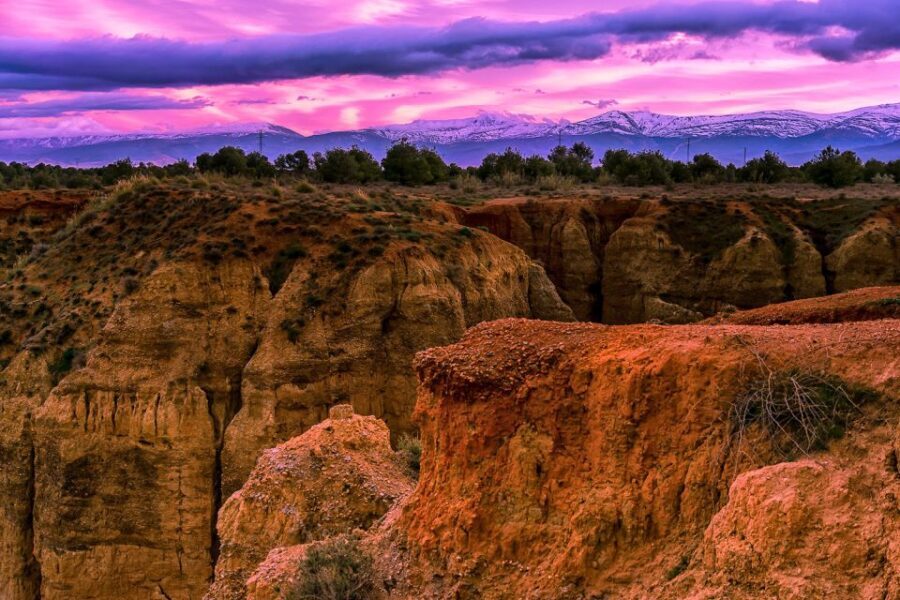
After the high viewpoint time, you shift down into the valley of the river Alhama. This part changes the mood from panoramic drama to the logic of settlements.
The tour explains that villages mark the road from Julia Gemella Acci to Iliberis, and that’s a useful way to frame what you’re seeing. You’re not just looking at villages as isolated dots. You’re seeing them as waypoints in a bigger travel and exchange route that connected different cultures.
The tour context notes that those valleys communicated to Iberians and Romans with the ancient Iliberis. Whether you’re a Roman-history person or just curious about how landscapes influenced trade and movement, this “road-reading” approach works. It gives you a reason for the route’s bends and for the way the valley seems to guide movement.
This section isn’t about one single monument you’ll stare at for hours. It’s more like GIS for humans. It helps you connect the dots between terrain and history, so when you later look back at the valleys you climbed earlier, you understand how people might have traveled through them in the first place.
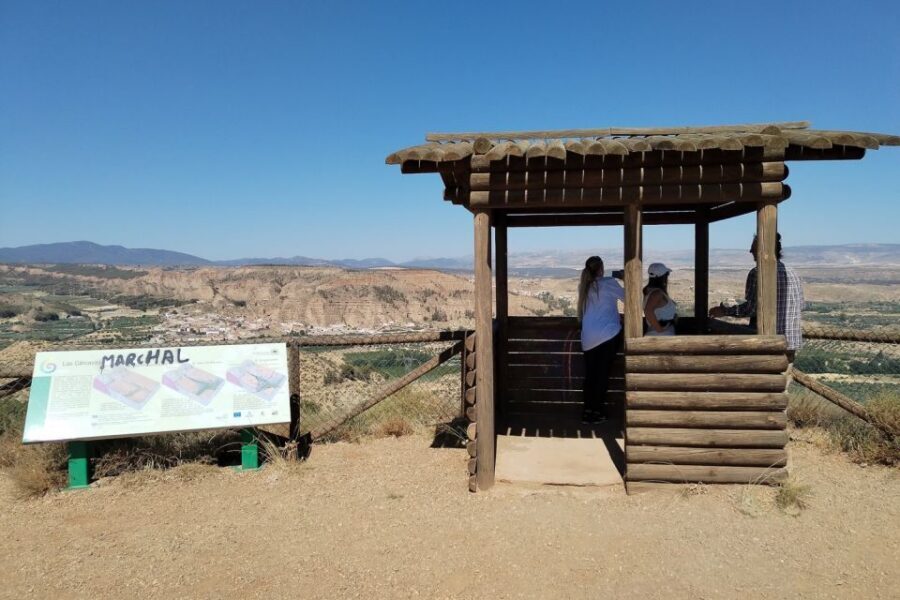
Marchal Gullies Natural Monument: geology with posture
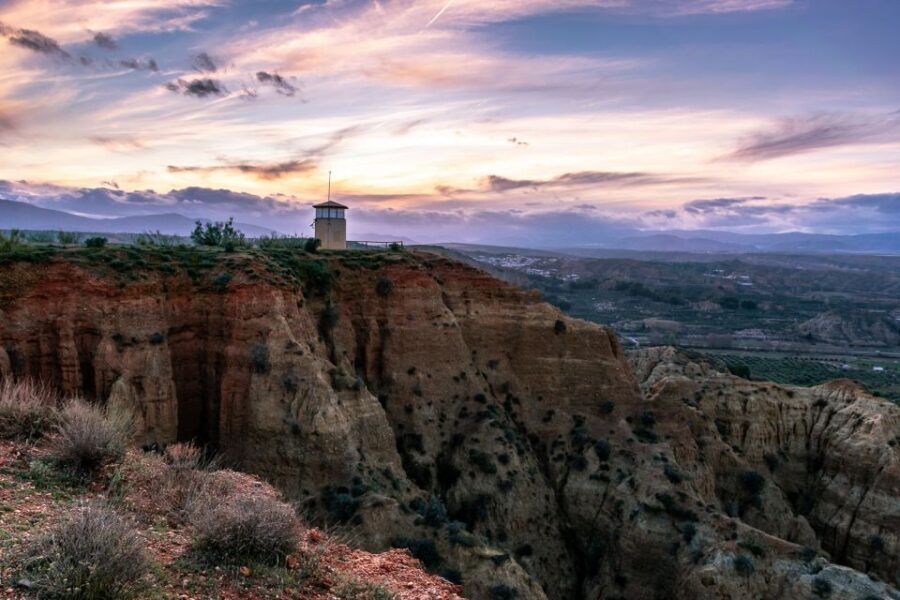
The Marchal Gullies Natural Monument is one of the tour’s anchor stops. The formations here can look impressive from a distance, but the value comes from seeing them with a guide who helps you interpret the shapes.
Think of it this way: gullies are not random dents. They’re shaped by water flow, erosion, and time. When someone walks you through what to notice, the formations become clearer. You stop trying to “guess what it is” and start recognizing patterns—cuts, layers, and the way the land has been sculpted.
This is also a good moment in the day to slow down. The tour is built around several different kinds of sight stops: wide viewpoints, valley context, then this more specific geology. If you love photography, it’s a place where the camera will earn its battery, because the angles can shift what you see even when you’re standing in roughly the same area.
The main drawback here is the one you’ll encounter again and again on this kind of outing: weather and light. If fog, heavy rain, or wind roll in, your time at outdoor viewpoints can compress. The tour is weather-dependent, so be ready for a day that’s flexible.



Covarrones Cave and Tía Micaela: the Berber mercenaries angle you won’t forget
Now we get to the part that usually makes people say this was worth it even before they know it was about price.
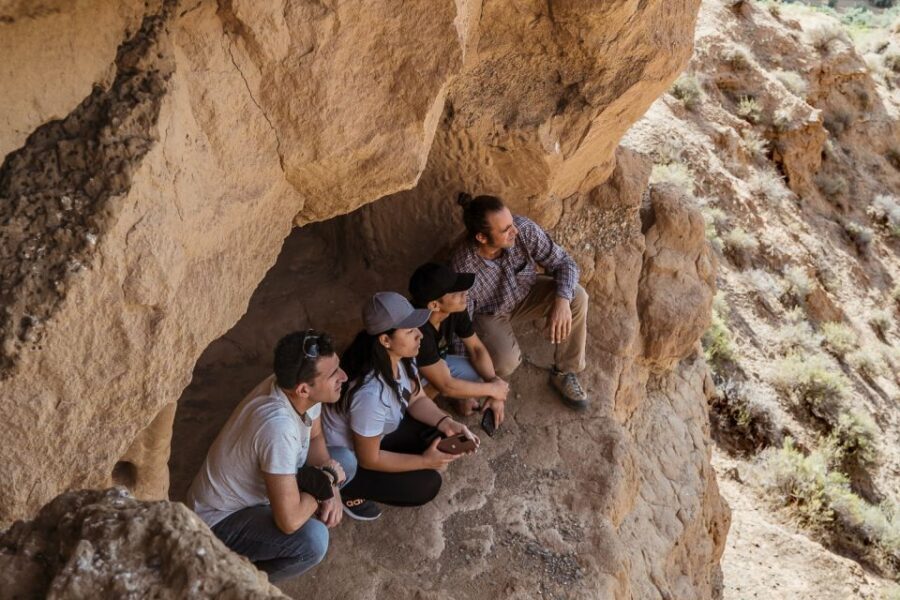
You visit fortresses in Covarrones Cave and Tía Micaela in Cortes. These are medieval cave fortresses where Berber mercenaries settled. And the key detail is access: the caves are described as closed to the public, but this tour gives you the opportunity to enter so you can imagine how they lived and fought in the S. X and XI.
That access changes everything. A cave fortress seen only from outside is a silhouette. A cave fortress you enter becomes a space with constraints: narrow passages, defensive positioning, and the reality that these people were adapting to a hard environment. Even if you don’t consider yourself a “military history” person, this is the kind of stop where your brain starts doing the right kind of imagining.
This is where the guide quality can really show. Guides like Goyo are repeatedly praised for linking the geopark to preservation and for telling history in a way that makes the place feel active rather than museum-still. Other guides in the same program, like Rosario, are also praised for being calm, friendly, and full of detail, which matters when you’re in confined spaces where you need to hear every word.
Also, this cave entrance is a reminder to come prepared for footwear and careful steps. You’re not asked to do anything extreme, but you should expect uneven, natural surfaces and the kind of careful walking that good shoes support.
The wine stop at Bodegas Palanga: a simple finish that feels earned
After the cave fortresses, the tour offers a palate break: a tall glass of wine at Bodegas Palanga before heading back.
This is a smart stop in an itinerary like this because it gives you a chance to reset. You’ve spent the day in big terrain views and then in tight cave space. Wine may not be your thing, but there’s still value in stopping somewhere that slows you down and turns the day from “moving between stops” into “digesting what you saw.”
A tall glass also encourages a social, human moment. You can talk about which viewpoint hit you hardest, compare notes with your small group, and ask a last round of questions—often the best ones you thought about after the adrenaline faded.
Price and value: what you’re really paying for at $127
At about $127 per person for a 4–6 hour tour, it’s not a bargain-basement outing. But it also isn’t inflated for what you get.
Here’s what helps justify the value:
- 4×4 transport from Guadix to multiple sites
- A live guide (and the guide effort seems to be a strong point)
- Hotel pickup and drop-off if you choose the pickup option
- Multiple specific stops, including the Marchal Gullies Natural Monument
- A key differentiator: entering cave fortresses that are usually closed to the public
- A wine tasting moment at Bodegas Palanga, included as a tall glass
In other words, you’re paying for time with the guide and access to places that are harder to do on your own. Yes, you could rent a car, but the roads are narrow in spots and the walking isn’t described as easy or polished. A guided route saves you from playing “is this safe?” and helps you focus on understanding what you’re seeing.
The biggest “value loss” risk is weather. If conditions force changes, you may get less time at outdoor viewpoints. Still, the tour format is built to keep the experience coherent in a shorter window.
Who should book this 4×4 Geopark tour
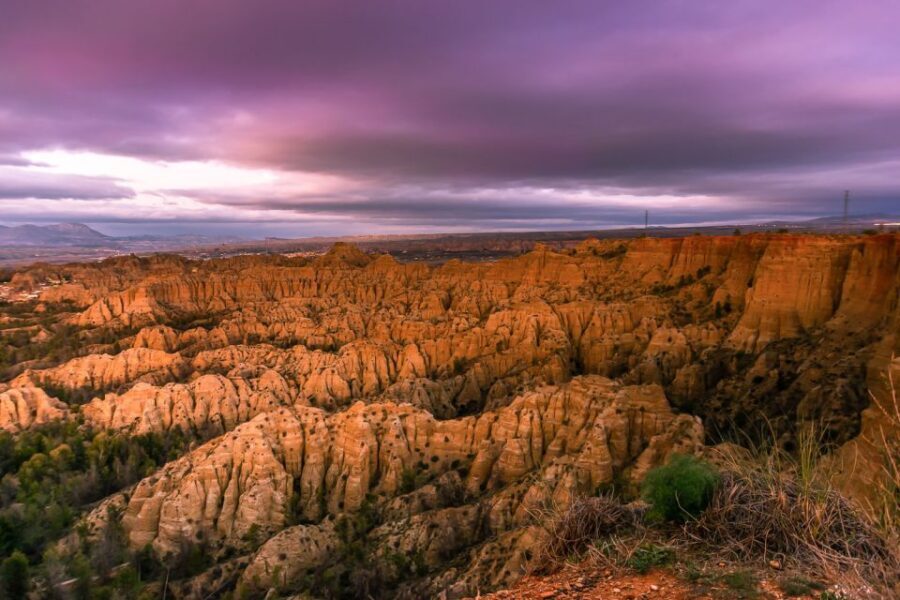
This tour is ideal if you want:
- Active sightseeing without having to drive
- A guide who can connect terrain to culture and time periods
- A mix of viewpoints, geology, and cave history in one outing
- A small group setting (up to 6), which keeps the day from feeling like a factory line
It may be less ideal if you:
- Strongly dislike narrow roads or exposure at viewpoints
- Want a slow, fully accessible walking style day (this tour includes uneven cave and terrain steps, and the driving/walking is not marketed as gentle)
- Need a perfectly predictable schedule on a tight weather window, since it’s subject to adverse weather and minimum passenger requirements
If you’re deciding between doing this and renting a car, I’d weigh how much you care about context. This tour is built around explanations at the viewpoints, the valley route context, and the cave-fortress meaning. You’d get the views on your own, but you’d likely miss the “read the landscape” part that makes it click.
Should you book the Granada End of the World Viewpoints 4×4?
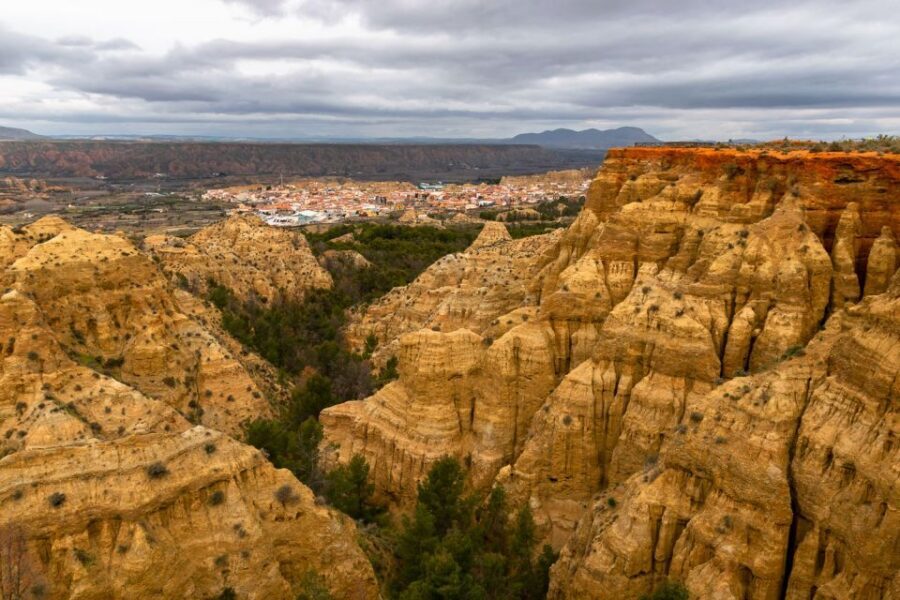
If you like Granada-area nature that comes with a guided brain, book it. The combination of End of the World viewpoints, Marchal Gullies, and the cave fortress access is the kind of three-act structure that tends to land well: wide views first, then terrain logic, then human history in stone.
My recommendation hinges on one question: do you enjoy structured adventure? If yes, this is a great value at around $127 because the day includes more than scenery—it includes access, interpretation, and a guide-led pace that makes the Geopark feel real, not generic.
If you want, tell me your travel month and whether you’ll need hotel pickup, and I can suggest how to plan the rest of your Granada days around the 4–6 hour timing.
FAQ
How long is the Granada End of the World Viewpoints 4×4 tour?
It lasts 4 to 6 hours, depending on starting times and conditions.
Where does the tour start and where do I meet the guide?
You meet your guide in front of Restobar Palenga Plaza.
Is hotel pickup included?
Hotel pickup and drop-off are included if you select the pickup option.
How much does it cost?
The price is $127 per person.
How big is the group?
The tour is limited to a small group of up to 6 participants.
What languages are offered?
The guide offers live commentary in Spanish and English.
What stops are included in the itinerary?
You visit the End of the World viewpoints (from Guadix and via Paulenca), the Marchal Gullies Natural Monument, areas connected to Iliberis, and cave fortresses including Covarrones Cave and Tía Micaela in Cortes, plus a stop at Bodegas Palanga for wine.
What should I bring?
Bring sunglasses, a camera, comfortable clothes, and sports shoes.
Is the tour affected by weather?
Yes. The tour is subject to adverse weather and also needs a minimum number of passengers.