REVIEW · HIKING & TREKKING
Hiking experience in the High Sierra Nevada National Park
Book on Viator →Operated by Sierra Nevada Guides · Bookable on Viator
Granada’s best workout comes with big views. This full-day hike in the Sierra Nevada Biosphere Reserve climbs from about 2,500m toward Tajos del Campanario, with glacial valleys, snowfields, and sharp north-face scenery. I love how the day mixes glacier scenery with summit drama.
I like that it’s run as a small group (max 8) with UIMLA mountain guides such as Jaime, who sets a pace and keeps the whole group moving safely. Still, it’s a steep, high-altitude grind on mostly rocky ground, so don’t assume weak footwear (or missing poles) will feel great.
In This Review
- Quick highlights you’ll actually care about
- Getting out of Granada and into the Sierra Nevada air
- San Juan Valley: the glacial start that sets the tone
- Posiciones del Veleta: fortifications + year-round snowfields
- Tajos del Campanario: the hard climb with the best payoff
- Pace, group size, and how the day stays enjoyable
- What you’ll see: goats, eagles, and migratory birds
- Gear checklist: footwear, poles, layers, and water
- Timing: what a 7-hour day feels like in real life
- Price and value: where the money goes on this trip
- Weather reality: snow, wind, and when plans change
- Who should book this hike (and who might skip it)
- Should you book Sierra Nevada Guides’ Tajos del Campanario hike?
- FAQ
- How long is the hike, and what time does it start?
- Where do I meet and where do I end up?
- What fitness level do I need?
- Is hiking footwear required?
- Are hiking poles and warm clothes included?
- Is food and drink included?
- What wildlife might I see?
- What happens if weather is bad?
Quick highlights you’ll actually care about
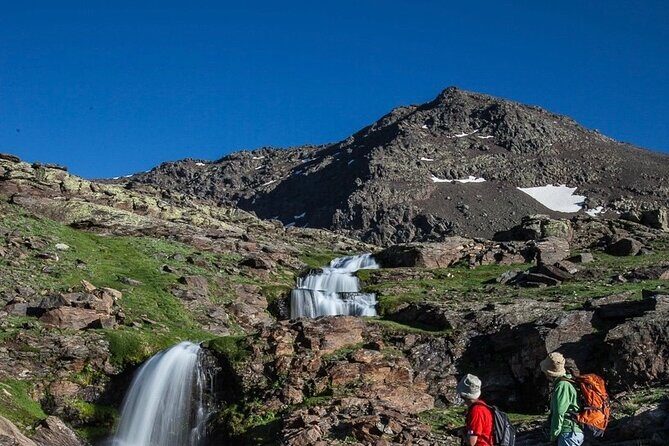
- San Juan Valley glacial terrain: flowing water, lakes, waterfalls, and wildflowers right along the walk
- Posiciones del Veleta history: Spanish Civil War fortifications with huge views toward the northern face
- Tajos del Campanario summit viewpoints: looking out over Mulhacén, Veleta, and Alcazaba
- Wildlife odds: mountain goats, eagles, and migratory birds (plus plenty of smaller critters and plants)
- Small group pacing: up to 8 people, with a guide who stops often and adjusts the tempo
- Gear support: warm layers available and hiking poles usually included, though winter-like conditions can still catch you
Getting out of Granada and into the Sierra Nevada air
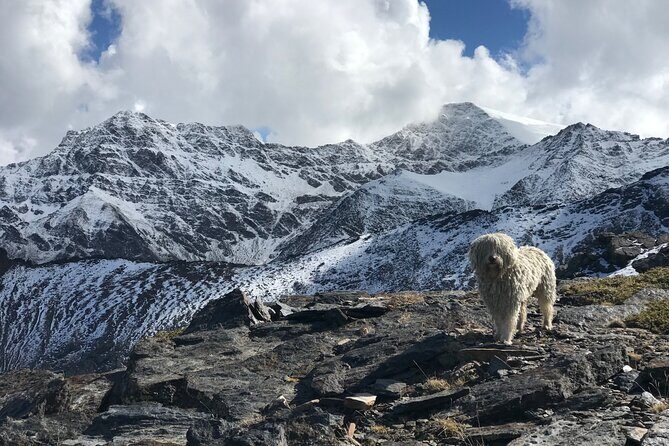
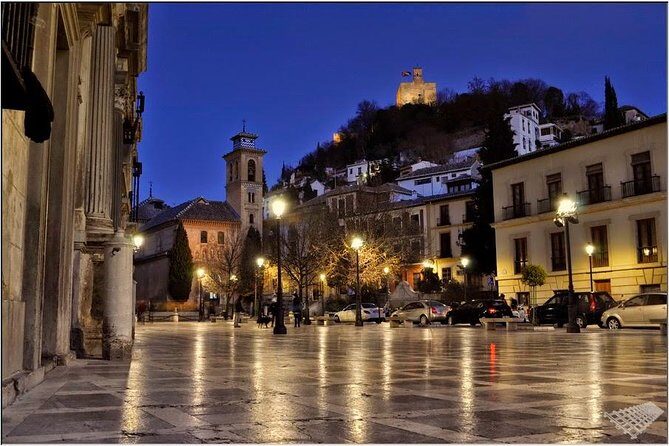
You start in central Granada at Plaza de Mariana Pineda (9:00am), then head uphill by private vehicle to the trail start near the top of the Sierra Nevada road. Plan on about 45 minutes of driving, then a long stretch on foot.
This drive matters more than it sounds. At sea level, Granada can feel hot and heavy; up here, you get cooler mountain air and a sharper sense of weather. In the group, guides have handled everything from clear winterish conditions to rain and wind, so the “big change” is part of the fun.
You can also read our reviews of more hiking tours in Granada
San Juan Valley: the glacial start that sets the tone
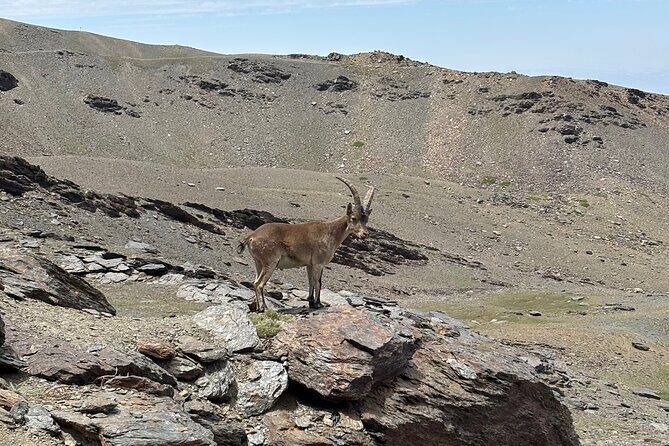
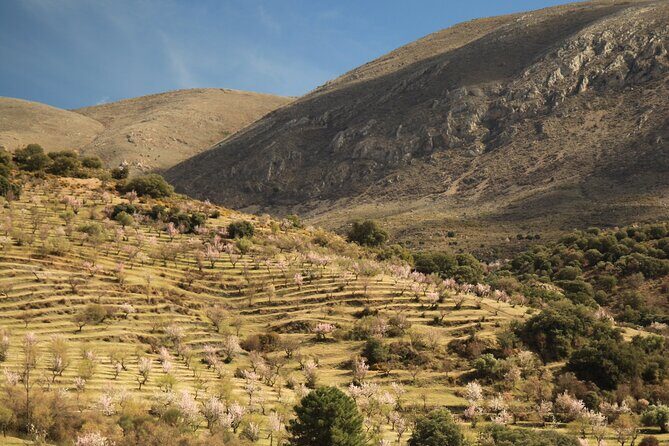
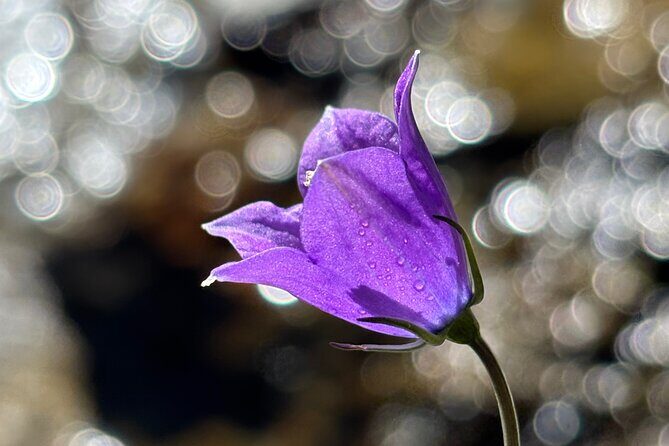
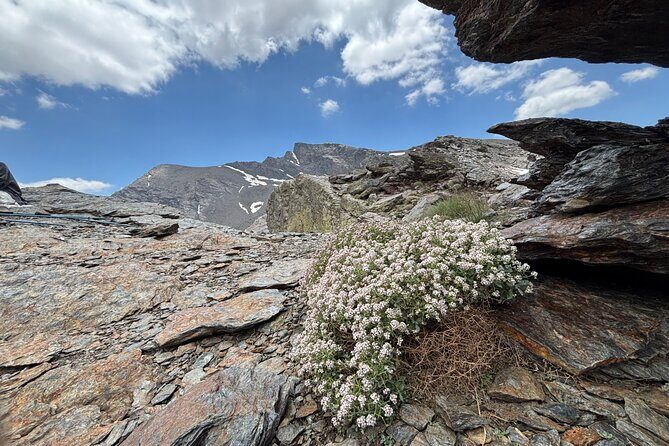
Once you begin walking, you’re in the Valle de San Juan, a glacial valley where the ice has been shaping the rock for thousands of years. Expect flowing water, shiny rock, and patches of wildflowers right at trail level.
This is the best part to slow down. The valley terrain gives you constant visual variety without needing technical scrambling. It also helps you warm up for what’s coming later, since the first major effort is saved for the higher sections.
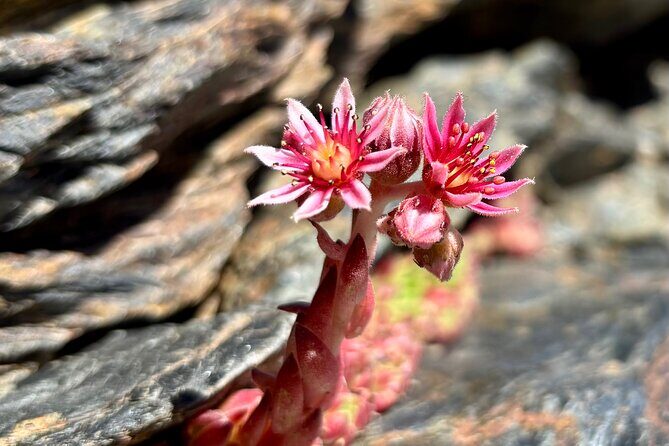
Wildlife spotting tends to start early here. You might see mountain goats, eagles, and birds on migratory routes, plus smaller insects and plants that are typical of this high, specific environment.
Potential drawback: if you show up under-prepared for cool temps, the valley can feel chilly even when the city is sweltering. That’s why warm clothes are available, and why I’d still plan for layers.
Posiciones del Veleta: fortifications + year-round snowfields
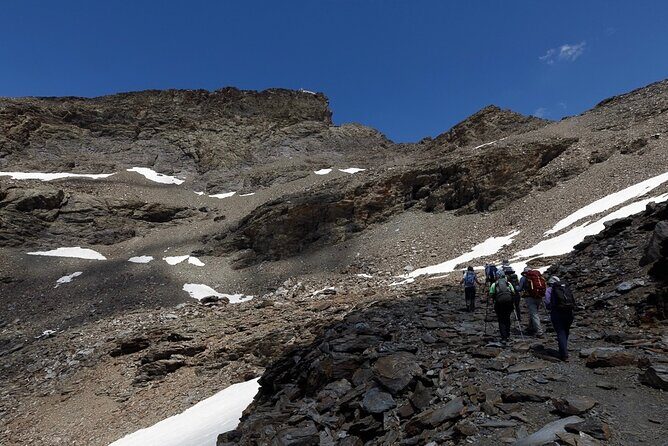
Partway through the hike you reach Posiciones del Veleta, a viewpoint area tied to Spanish Civil War fortifications. The point isn’t just the history panel—it’s what the fortifications let you see: the northern face of Sierra Nevada and snowfields that can linger long after the lower elevations warm up.
On a day like this, you’re basically walking through a natural viewpoint with a human story layered on top. The guide’s pacing and stop rhythm matter most here, because you’ll want time to look without feeling rushed.
Also, this is where weather can make or break the comfort level. Wind off the snowfields can feel sharp, and in some conditions you’ll want a hat and a wind layer.
Tajos del Campanario: the hard climb with the best payoff
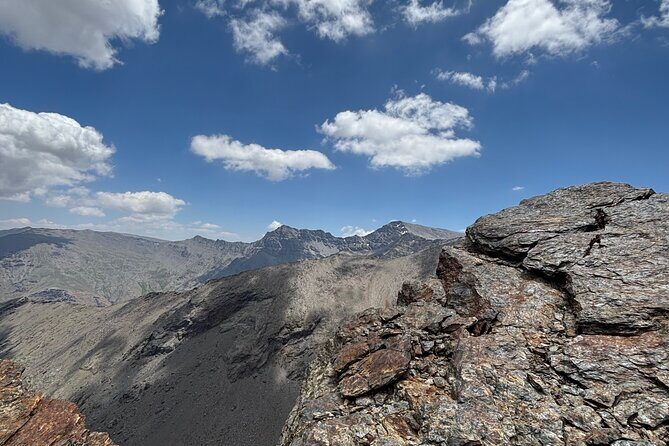
The main ascent pushes you to Tajos del Campanario, with views aimed at the north faces of Muhacén (Mulhacén), Veleta, and Alcazaba. The effort is real: the day includes more than 3,000 meters (over 10,000 feet) of climbing across the hike.
What I like about this summit push is that it’s not just “go up, reach top.” The guide builds in breaks, and there are spots where you can pause while the group regroups. If you’re feeling cooked, you can also wait at good points on the way back so you don’t force yourself into a mistake.
At the top, the views reward the work immediately. High-altitude air makes distant peaks look crisp, and the angle of the terrain gives you a more dramatic sense of scale than you’ll get from viewpoints near roads.
Pace, group size, and how the day stays enjoyable
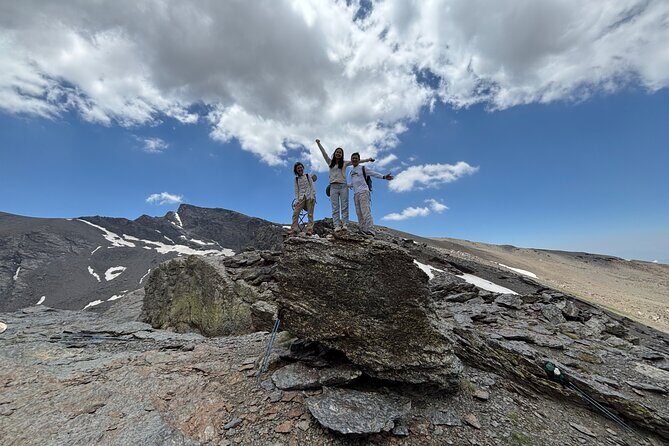
This isn’t a race tour. It’s designed for a maximum of 8 people, and the guide controls the tempo. In practice, that means you’ll get frequent stops, plus a chance to take photos, ask questions, and reset your breathing.
Guides mentioned in this experience include Jaime, Buitre, Duab, and Jesus. One thing they all have in common from the way they’ve been described is calm leadership—especially when conditions turn windy or wet.
If you exercise regularly (running, cycling, swimming, tennis), you’ll probably enjoy this. If you’re coming from couch-level fitness, you can still do it, but I’d treat it as a real physical challenge and not a casual stroll.


What you’ll see: goats, eagles, and migratory birds
Sierra Nevada is not a “promise” kind of wildlife spot, but this route gives you real chances. The walk through the glacial valley and higher viewpoints is where mountain-goat sightings become plausible, and where raptors are often seen circling for thermals.
Migratory birds are also part of the expected mix, especially when you’re near areas that align with migration routes. The guide can help you spot and identify what you’re seeing, and they’ll often tie plants and rock features to how this high region survives the seasons.
If you’re the kind of person who brings binoculars, this is one of the hikes where they can make the day more fun. If you don’t have them, you can still get a lot out of careful watching and the guide’s pointing.
Gear checklist: footwear, poles, layers, and water
Here’s the practical truth: the tour says sneakers or trainers are OK, but many people feel better with trail shoes or hiking boots with solid grip and ankle support. The ground can be uneven and rocky, and if weather adds slick spots, footing matters.
Hiking poles are included in the tour, and many people find them helpful for the steep stretches. One group report did note a mismatch on poles and boot-rental expectations, so if poles or boot rental are a big deal for you, I’d rather over-prepare than hope.
What to pack or plan to borrow:
- Water: bring enough for a long uphill day (the guidance from participants points to about 1.5 liters, and many prefer more)
- Lunch/snacks: you’ll want food for the top or breaks; the tour does not include food
- Sunscreen + hat: high altitude plus bright light adds up fast
- Layering: even in warm months, tops can feel colder and windier
- A light rain layer if forecasts look uncertain
Warm clothes are available from the tour, but I wouldn’t rely on that alone. One guide shared extra gloves, beanie, and rain ponchos when conditions turned, which is great—but you’ll enjoy the day more if you’re ready even without extras.
Timing: what a 7-hour day feels like in real life
The tour is listed as about 7 hours total, with hiking that can feel like a long afternoon push. The itinerary includes a full-day rhythm: start at 9:00am, hike through the valley and viewpoint sections, then return to Granada in time for normal evening plans.
In the real-world examples from past days, people have reported being back around 4:00pm after a hike that runs long enough to make your lunch plan matter. That’s why I’d treat this like a day hike, not a short outing.
Price and value: where the money goes on this trip
At $71.35 per person, this hike isn’t “cheap,” but it’s also not priced like a luxury expedition. The value comes from what you don’t have to figure out on your own:
- Private transport from central Granada to the Sierra Nevada road start and back
- A UIMLA mountain guide
- Hiking poles
- Warm clothes available
- Assistance and liability insurance
- Small group size (max 8)
- English-speaking experience, with mobile ticket support
- Group discounts are offered
The big trade-off is what’s not included: food and drinks. You’ll need to bring your own lunch and water plan, which is easy if you pack a sandwich and snacks. If you were already thinking of doing a long hike, this tour saves you the headache of transport, route decisions, and safety management.
Weather reality: snow, wind, and when plans change
This experience depends on good weather. If it gets canceled due to poor weather, you’ll be offered another date or a full refund.
Even when weather is workable, conditions can surprise you. People have reported snow still present on upper slopes, along with windy, colder conditions at altitude. That’s why layers, gloves (even light ones), and a windproof layer can be the difference between enjoying the summit and rushing through it.
Who should book this hike (and who might skip it)
Book this if:
- you want a Granada day trip that feels like real mountain time, not a bus-and-viewpoint loop
- you like hikes with history plus high-altitude views
- you’re comfortable with steep uphill effort and can pace yourself
You might skip it if:
- you want a gentle walk with minimal climbing
- you have very limited mobility or balance issues on rocky terrain
- you dislike cold wind or you refuse to layer (this route can change from city heat to summit chill)
This hike fits best when you treat it like a workout day with a reward at the top, plus time to watch wildlife along the way.
Should you book Sierra Nevada Guides’ Tajos del Campanario hike?
If you like challenging scenery and you’re willing to pack water and lunch, I’d say yes. The combination of glacial San Juan Valley, the Civil War stop at Posiciones del Veleta, and summit views over Mulhacén/Veleta/Alcazaba is a rare mix for one day trip from Granada.
My only hesitation is the climbing intensity at altitude and the fact that conditions can bring slick, windy weather. If you bring good grip footwear and accept that this is a serious uphill day, you’ll get exactly what makes this hike so beloved: quiet trails, strong views, and a guided day that keeps you safe while you earn the top.
FAQ
How long is the hike, and what time does it start?
The tour runs about 7 hours total and starts at 9:00am, meeting at Plaza de Mariana Pineda in central Granada.
Where do I meet and where do I end up?
You start at Plaza de Mariana Pineda (Centro, 18009 Granada) and the tour ends back at the same meeting point in Granada.
What fitness level do I need?
The tour is recommended for people with moderate physical fitness, and it includes steep uphill climbing at high altitude.
Is hiking footwear required?
Sneakers or trainers are listed as okay. That said, the terrain can be rocky and steep, so shoes with good grip can make the day more comfortable.
Are hiking poles and warm clothes included?
Yes—hiking poles are included, and warm clothes can be provided for guests.
Is food and drink included?
Food and drinks are not included unless specified, so you should plan to bring your own lunch and water.
What wildlife might I see?
There’s a chance to spot mountain goats, eagles, and migratory birds, along with insects and plants found in this high Sierra environment.
What happens if weather is bad?
This experience requires good weather. If it’s canceled due to poor weather, you’ll be offered a different date or a full refund.