REVIEW · ALHAMBRA TOURS
Hiking in the natural park on the outskirts of the Alhambra
Book on Viator →Operated by Attraversiamo Tour · Bookable on Viator
Granada’s best views come with a climb. This guided hike on the Alhambra’s edge lets you walk classic paths used by the old city, then drop back into town with a view-filled finish. I love how the route connects big-name landmarks—Cerro del Sol, Llano de la Perdiz, and the path of the Alarife—without making you rely on a car.
I also like the small-group feel (max 8 travelers), because it makes it easier to move at a steady pace and get help when the trail gets technical. One possible drawback: it’s not a stroll. Expect some steep sections, thin ledges, and a bit of scrambling, so you’ll want solid shoes, water, and average fitness.
In This Review
- Key highlights at a glance
- From Puente del Aljibillo to the edge of the Alhambra
- The route up Cerro del Sol via Avellano and the path of the Alarife
- La Silla del Moro: where the climb gets real
- Llano de la Perdiz: the plateau where the city comes to breathe
- Views that reward effort, not luck
- Gear and technique: what I’d do before you step onto the trail
- Shoes and traction
- Water and a pack that won’t annoy you
- Hiking sticks
- Stretch after
- Who leads, and why that matters on this kind of trail
- Price and value: is $49.68 worth it?
- Should you book this Alhambra-outskirts hike?
- FAQ
- FAQ
- Where does the hike start?
- Where does the hike end?
- How long is the experience?
- What language is the tour offered in?
- Do I get a ticket on my phone?
- What group size should I expect?
- Is the hike suitable for most people?
- What is the first named stop?
- Can I cancel and get a full refund?
Key highlights at a glance
- La Silla del Moro makes a memorable first stop as the climb starts to bite
- Alarife path connection: you follow historic routes tied to the Alhambra area
- Llano de la Perdiz plateau is the “resting place” vibe the walk is built around
- View rewards from Cerro del Sol area are the point of the effort
- Hiking sticks can be provided, which helps on uneven ground
- Small group (max 8) keeps the hike friendly and manageable
From Puente del Aljibillo to the edge of the Alhambra
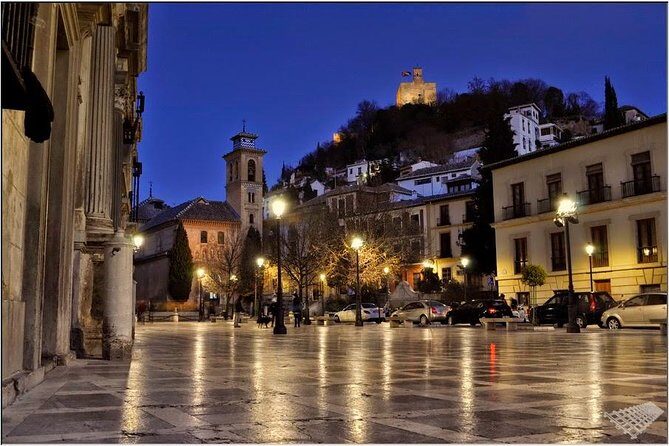
Your day starts in Granada at Puente del AljibilloCentro (18010 Granada). The nice part is how logical it feels: you begin in the city, head out into the natural park outskirts, and you don’t waste time figuring out “how do I get there?” You’re on a set route, in English, with a guide leading the way.
The walk is also built around “classic” foot access from Granada. In plain terms, you don’t have to arrange private transport or fight your way into car-dependent spots. I like that because it turns your Alhambra visit (often planned like a checklist) into something more human: you’re walking the same broader hills and viewpoints, not just taking photos from a bus.
You can also read our reviews of more hiking tours in Granada
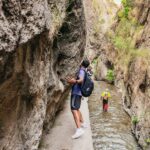
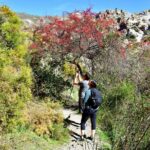
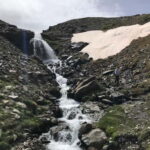
The route up Cerro del Sol via Avellano and the path of the Alarife
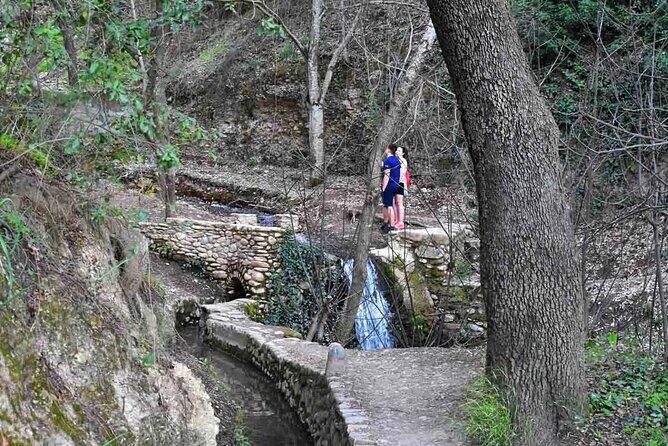
This hike goes from the Avellano area upward toward Cerro del Sol, following the path of the Alarife. That matters because the Alhambra isn’t only palaces and courtyards—its surrounding hills were tied to how people lived, supplied, and rested. On this walk, you’ll feel that “in-between” space: not urban, not remote, just the rugged edge where Granada’s story keeps running.
The trail design is also about views. The route is meant to give you the best look-outs on the way up, then bring you back toward the city after the viewpoint high point. That’s a smart choice for a 3-hour outing because it avoids the trap of hiking just to hike.
A couple of small practical notes from real guide-led experiences help you prepare. The hike can start with more water presence early on (good news in a way—cooler ground, more varied foot feel). Still, don’t count on anything dry or dramatic to happen. Treat it like a real mountain walk: expect uneven footing.
La Silla del Moro: where the climb gets real
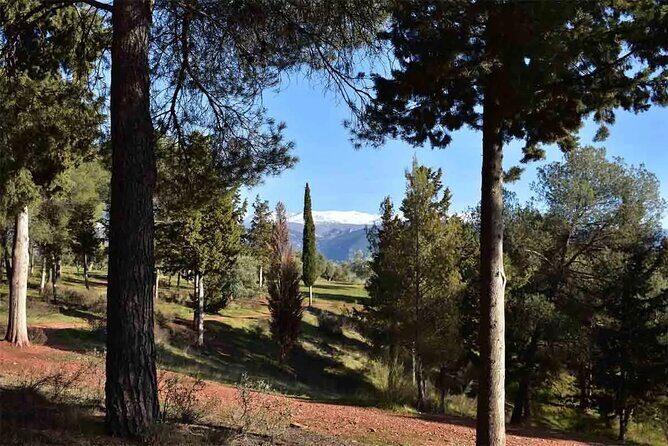
The first named stop is La Silla Del Moro. Even if you don’t know the name from day one, you’ll feel what it is on the ground: the point where the route shifts from “getting started” to “this is a hillside.” It’s a great moment to get your rhythm, tighten your shoelaces, and confirm you’ve got water accessible.
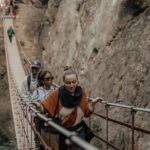
This is also where the “steep and a little technical” factor shows up for most people. In guides-led groups, there’s often some crawling/climbing over, plus spots with thin ledges and steep sections. The trail may include holding handles or grabbing onto stable points to pass narrow bits safely.
If you like hikes that feel like hiking—rather than a paved scenic loop—this is your section.
Llano de la Perdiz: the plateau where the city comes to breathe
As you climb, you reach Llano de la Perdiz, described as a plateau—a place tied to provisioning and resting for people in the Alhambra environment. That’s not just a poetic detail. It’s what shapes the whole feeling of the hike. The plateau makes the climb feel purposeful, not random. You’re walking toward a natural “pause,” a place where people have long gone to be outside and reset.
This is also where the “classic excursion” concept clicks. Many Granada visitors do one of two things: they either go fully sightseeing by car, or they hike without much structure. Here, the structure is the point. You’re moving along a route designed to end back in the center of Granada, so you’re not stuck in the hills wondering how to get home after your legs are done.
Views that reward effort, not luck
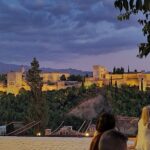
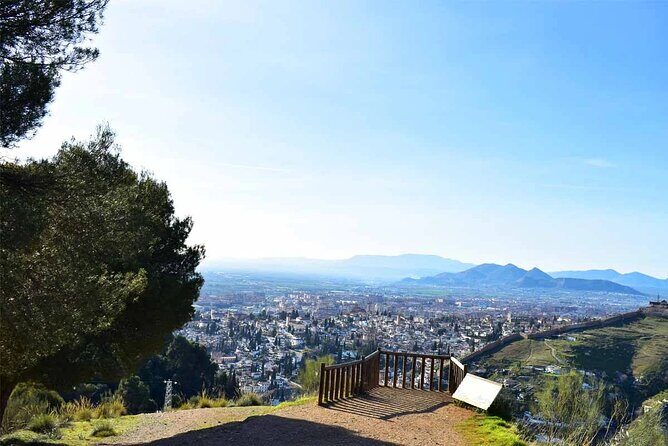
The tour is designed for viewpoints, including the climb up toward the area near Cerro del Sol and the perspective you get from that height. When you’re walking out of Granada’s streets, the city starts to look different fast. From above, you notice patterns—rooflines, curves, and the way the hills shape where people built and lived.
One of the best parts is that this is not a “one big viewpoint and then you leave” situation. The best scenery tends to come in stages, and the route keeps giving you little chances to stop, look, and then continue.
Pacing is also handled thoughtfully for a hike of around 3 hours. You won’t be sprinting, but you also shouldn’t expect long rests every five minutes. The pace is steady enough to move through the technical sections without turning the hike into a series of stop-and-go lectures.






Gear and technique: what I’d do before you step onto the trail
You don’t need fancy hiking gear, but you do need smart basics.
Shoes and traction
Wear comfortable shoes with good grip. Reviews strongly suggest trainers are fine as long as they’re supportive. Waterproof is not the main issue; traction and comfort are.
Also, accept that you’ll be using your hands at some points. Thin ledges and steep sections mean you should keep your center of gravity calm and don’t rush.
Water and a pack that won’t annoy you
Bring water. I can’t stress this enough for Granada hills because once you’re sweating on a climb, you stop caring about anything except the next sip.
A small backpack with a water bladder tends to work better than a drawstring bag because it keeps your hands free when you’re scrambling or holding onto guides/rail points.
Hiking sticks
In some groups, guides have provided hiking sticks, and they help a lot on uneven, slanted ground. Even if you bring your own, it’s worth using them for the trickier descents.
Stretch after
This kind of walk can leave your calves cranky. Plan on leg stretches afterward, especially if you’re not used to hikes around the rough “six-kilometer” feel described in real-world experiences.
Who leads, and why that matters on this kind of trail
This is offered by Attraversiamo Tour, and you’re hiking with an English-speaking guide. What I like about a guided walk here is simple: the trail has places that are easier to navigate when someone is watching for the exact “foot placement moment.”
In past groups, names that come up include Julio, who has led guided hiking experiences connected to this area. Another set of reviews mentions two Brazilian men as guides who were friendly, funny, and photo-happy—so yes, you’ll probably end up with group pictures that don’t feel forced.
Price and value: is $49.68 worth it?
At $49.68 per person for about 3 hours, the value comes down to what you’re buying besides steps on dirt.
You’re paying for:
- A structured route that connects classic Alhambra-edge sights into one hike
- A guide in English to keep you safe through the tricky bits
- Small group size (max 8), which matters a lot when the trail narrows and steep sections appear
- The ability to finish back in/near Granada center rather than being stranded in the hills
If you were to plan this yourself, you’d need a lot more work: figuring out trail segments, managing timing, and handling navigation through technical spots. That planning overhead is exactly what a good guide removes.
So for me, the price feels fair—especially if you want the historical “why” plus the practical “how to walk it.”
Should you book this Alhambra-outskirts hike?
Book it if you want a Granada hike with purpose: classic routes, real views, and a trail that feels more like an outdoor route than a theme-park walk. It’s also a great fit if you’re pairing it with an Alhambra visit, because it turns the day into something active and memorable.
Skip it if you want an easy, flat, minimal-scramble walk. This one has steep parts and narrow spots where you may crawl, climb, or hold onto handles. If that makes you nervous, you’ll likely feel stressed instead of enjoying the scenery.
If you do book: show up with supportive shoes, carry water, and don’t underestimate calf soreness. This is the kind of hike where your legs do the bragging by the end.
FAQ
FAQ
Where does the hike start?
The tour starts at Puente del AljibilloCentro, 18010 Granada, Spain.
Where does the hike end?
This activity ends back at the meeting point.
How long is the experience?
It runs about 3 hours (approximately).
What language is the tour offered in?
The tour is offered in English.
Do I get a ticket on my phone?
Yes. You’ll have a mobile ticket.
What group size should I expect?
The group is limited to a maximum of 8 travelers.
Is the hike suitable for most people?
Most travelers can participate, but you should expect a real walking workout and uneven trail moments.
What is the first named stop?
The first stop is La Silla Del Moro.
Can I cancel and get a full refund?
Yes. Free cancellation is available up to 24 hours in advance for a full refund.