REVIEW · GRANADA
Tour Granada from its Origin; Albaicín
Book on GetYourGuide →Operated by Granada con Amor · Bookable on GetYourGuide
Granada from its origin is the fastest way to understand why the city feels different on every hill. This 2-hour walk takes you from the gates into the old neighborhoods, pairing great viewpoints with real local texture like a carmen house visit.
Two things I really like about this tour are the official local guidance and the way the route is built around views you’d struggle to time on your own. The guides are also very responsive; I saw repeated praise for Daniel and for Marta/Martha, with guests saying the tour doesn’t feel rushed and questions get real answers.
One consideration: this is a hills-and-stairs kind of city tour. You’ll be on cobblestones and up/down paths, and it isn’t suitable for wheelchair users or people with mobility impairments.
In This Review
- Key highlights at a glance
- Starting at Puerta de Elvira: your entry ticket to old Granada
- Puerta Monaita and Mirador de la Lona: walking history with great photos
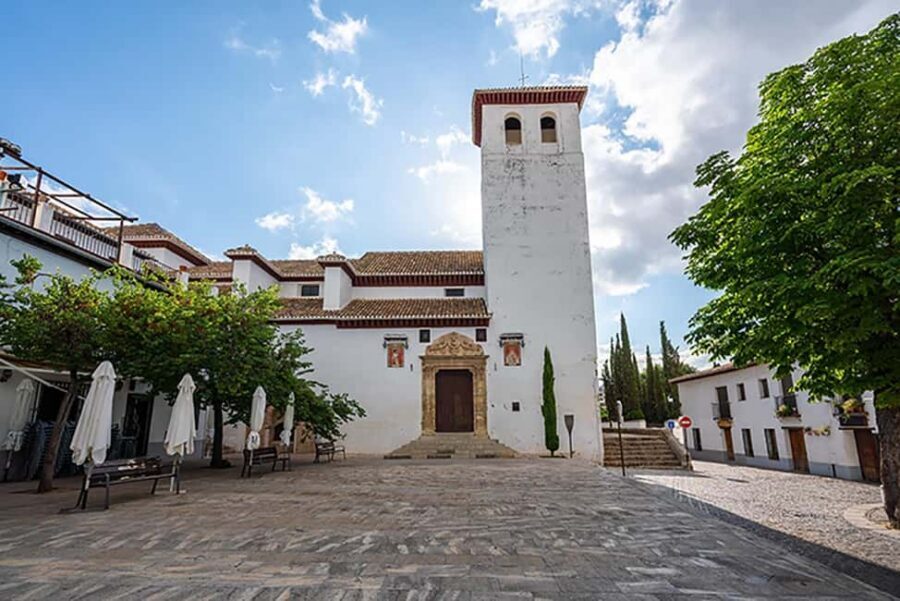
- San Miguel Bajo and Santa Isabel la Real: stone faith and local stories
- San Nicolás viewpoint and Paseo de los Tristes: the classic Granada panorama
- Casa Carmen: a typical carmen house visit that makes the neighborhood click
- Bañuelo plus Plaza Nueva: from old baths to the city center
- Two hours, lots of hills: pacing advice for comfy shoes
- Official local guide + English tour, and what to expect from Daniel, Marta, and Martha
- Price and value: is $17 a fair deal for Granada’s viewpoints?
- What kind of traveler should book this Albaicín origin walk?
- Quick practical tips before you go
- Should you book Granada from its Origin; Albaicín?
- FAQ
- Where does the tour start?
- Where do I meet the guide?
- How long is the tour?
- Is food included?
- What areas does the tour cover?
- Does the tour include Casa Carmen?
- What language is the tour in?
- Is the tour suitable for wheelchair users or mobility impairments?
Key highlights at a glance
- Puerta de Elvira start: a dramatic entry point that sets the tone right away
- Puerta Monaita and Mirador de la Lona: photo stops that explain Granada’s layers
- San Nicolás viewpoint time: enough breathing room for photos and understanding the panorama
- Casa Carmen access: you step into a typical Granada carmen house, not just look from outside
- Paseo de los Tristes: a classic stroll for gardens, views, and atmosphere
- Plaza Nueva finish: you end in the city’s main public square for an easy next step
Starting at Puerta de Elvira: your entry ticket to old Granada
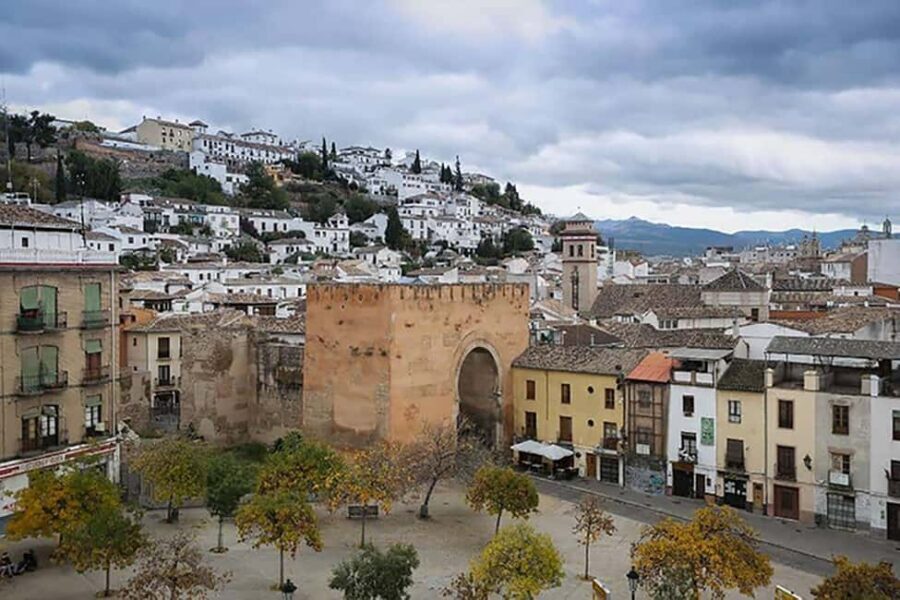
The tour begins at Puerta de Elvira, a sensible place to start because it’s tied to how people historically approached and entered the city. If you arrive in Granada and immediately feel like the center is a maze, this start helps you build a mental map instead of just following streets at random.
From there, you’ll start moving through the older parts with a guide who connects what you see to why it’s there. That matters in Granada, because the city’s story is written vertically—along walls, gates, and uphill neighborhoods—not only on plaques.
You can also read our reviews of more tours and experiences in Granada.
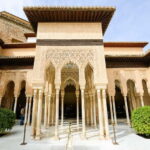
Puerta Monaita and Mirador de la Lona: walking history with great photos
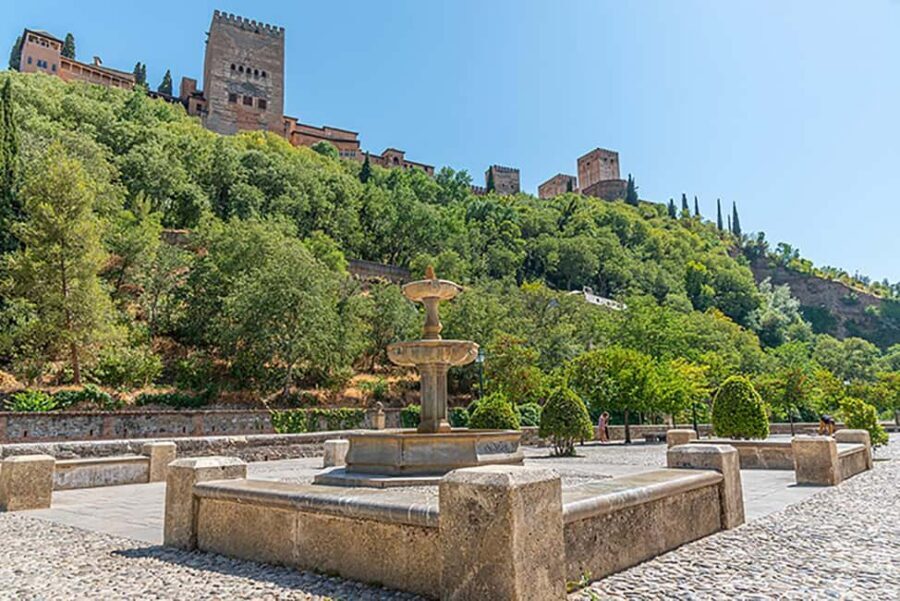
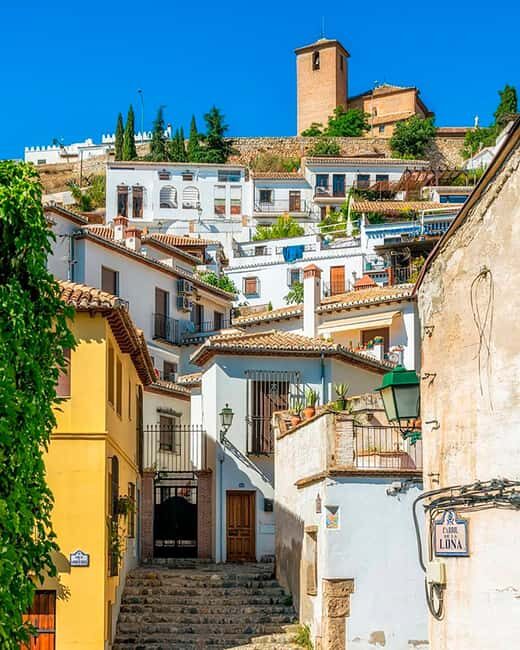
After the first gate area, you’ll see Puerta Monaita and make a short stop at Mirador de la Lona. Even if you’ve visited Granada before, a mirador stop is where the tour starts paying off fast: you get a wide look, then the guide points out the geometry of streets and the logic of the hillside layout.
This part of the walk is also a good chance to get your bearings. Think of it as the tour’s visual orientation. If you’re the kind of traveler who likes to know where you are while you’re walking, you’ll appreciate how quickly the guide gives context.
And because this is timed as quick sightseeing stops, it keeps the momentum. You’re not stuck in one spot too long early on.
San Miguel Bajo and Santa Isabel la Real: stone faith and local stories
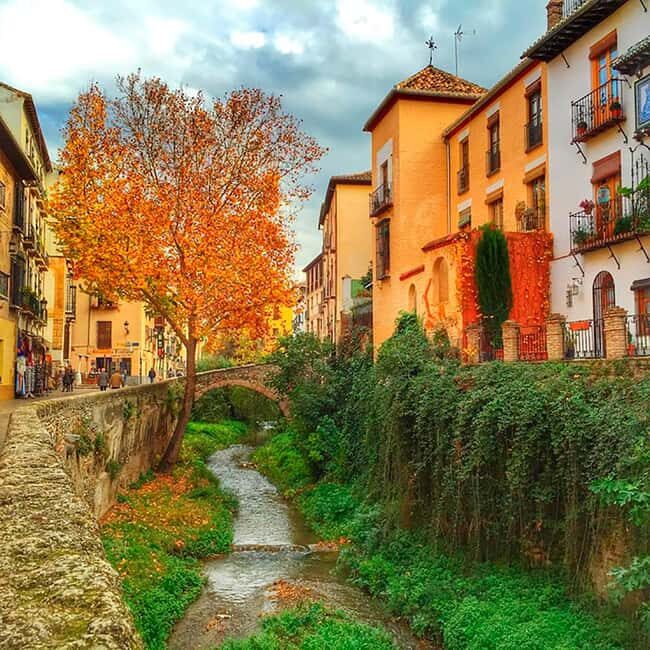
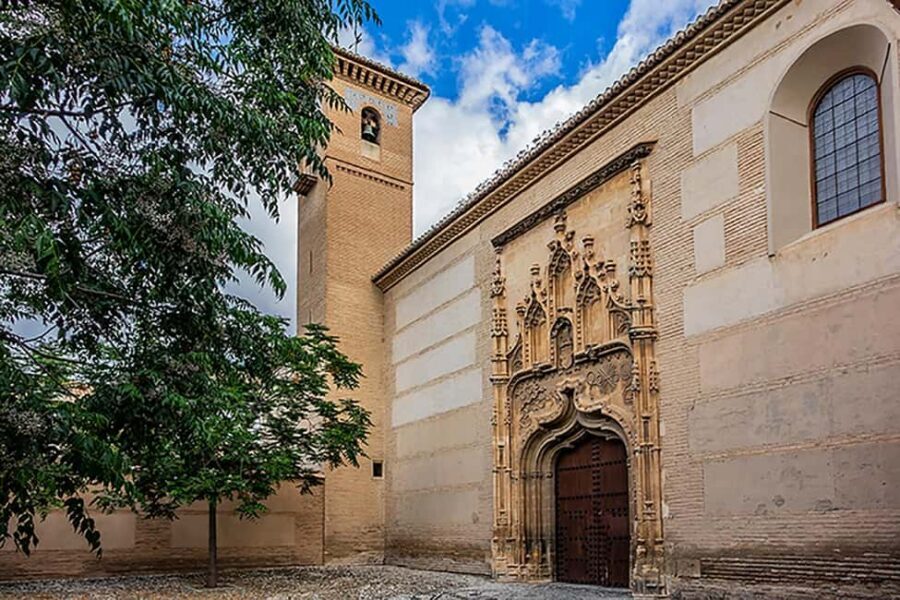
Next up are Iglesia de San Miguel Bajo and the Royal Convent of Santa Isabel la Real. These are quieter stops than viewpoints, but they’re not filler. Places like this help you understand Granada beyond the skyline photos.
What you’re really looking for here is contrast. Granada’s best-known views come from elevation, while churches and convent spaces show another side of the city: daily life, devotion, and long-term presence. When the guide connects architecture to the neighborhood’s evolution, these short visits feel like they explain the “why,” not just the “what.”
If you want to ask questions, this is a good moment. The group is still fresh, and the guide typically has an easier rhythm for answering without rushing everyone out.
San Nicolás viewpoint and Paseo de los Tristes: the classic Granada panorama
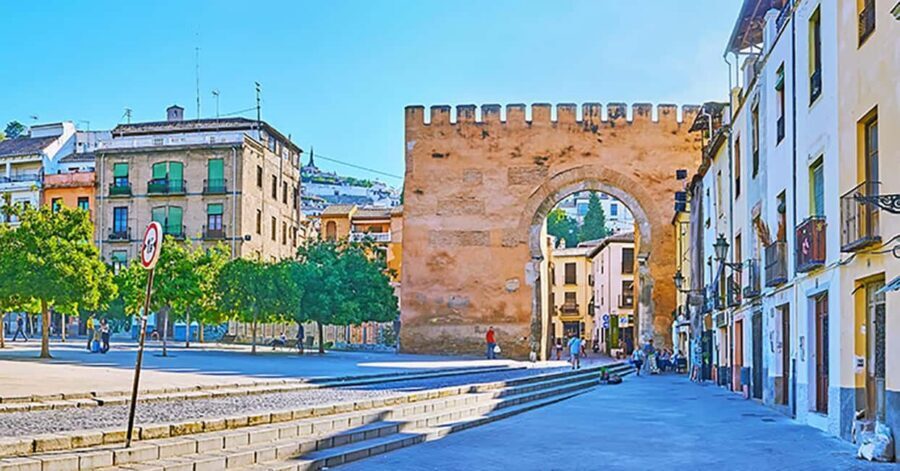
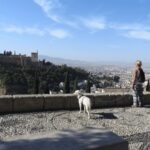
The heart of the view portion is Plaza de San Nicolás, with time for photos and sightseeing, and then the walk along Paseo de los Tristes.
I love this pairing because it’s not just one pretty view. Plaza de San Nicolás gives you the big panorama feeling—skyline, hillside textures, and that Granada sense of depth. Then Paseo de los Tristes slows you down into a more human-scale experience: walking paths, gardens, and the kind of scenery that makes you stop thinking in landmarks and start feeling like you’re inside the neighborhood.
Timing matters here. Since the tour builds in a photo stop plus a longer stroll stretch, you’re less likely to feel trapped at one angle. You get options for where to stand, and you can pace yourself if you’re winded from the earlier climbs.
Casa Carmen: a typical carmen house visit that makes the neighborhood click
One of the best inclusions is the access to Casa Carmen. A carmen house is one of those Granada-specific things that’s hard to appreciate from the street. Here, you get a closer look at what makes these homes distinctive—especially the relationship between the house, the hillside, and outdoor spaces.
This is the kind of stop that helps your photos make sense later. After you’ve seen a typical carmen home, the streets and small garden-like areas you notice on your own start to feel purposeful instead of random.
If you like architecture and everyday life details, this is a highlight you’ll remember. And because it’s included, you avoid the extra ticket-hunt stress in the middle of sightseeing.





Bañuelo plus Plaza Nueva: from old baths to the city center
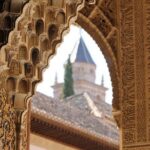
Later in the walk, you’ll pass through Bañuelo, a meaningful stop because it connects Granada’s heritage to spaces people used in everyday ways, not only monumental sights.
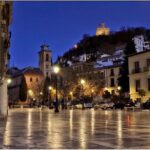
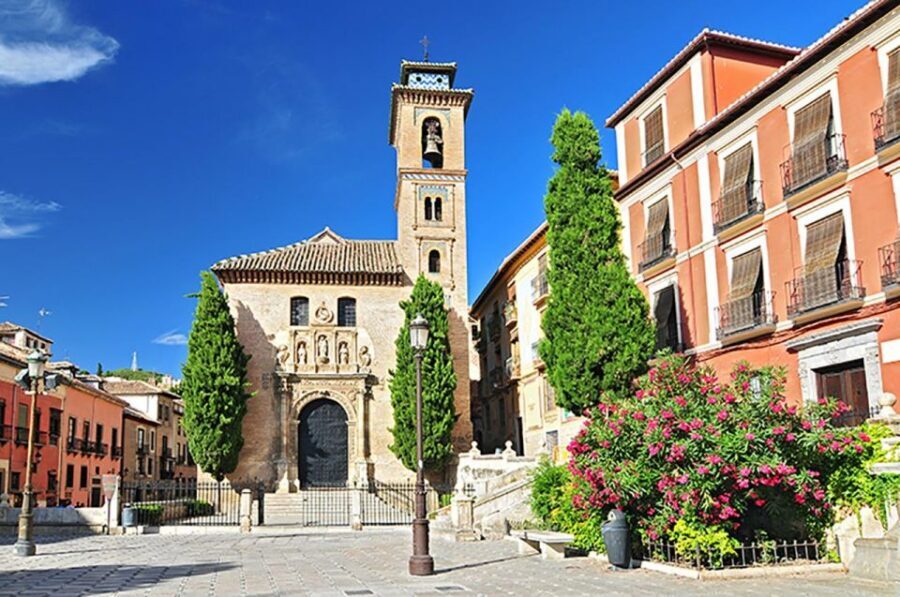
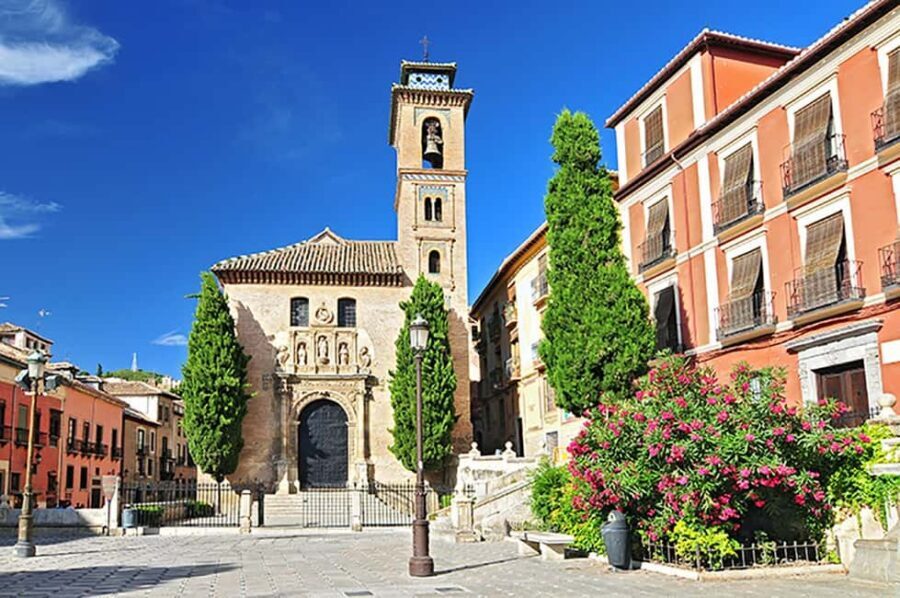
Then the tour moves toward Plaza Nueva, where you finish. Along the way you’ll also encounter Santa Ana Church (and you’ll pass Iglesia de San Gil y Santa Ana) plus the area around Real Chancillería.
Why that sequence works: you end in the city’s easier-to-navigate public core. Plaza Nueva is a practical finish point because it gives you options immediately—continue exploring, grab a drink, or reposition for the next neighborhood without feeling stranded uphill.
Two hours, lots of hills: pacing advice for comfy shoes
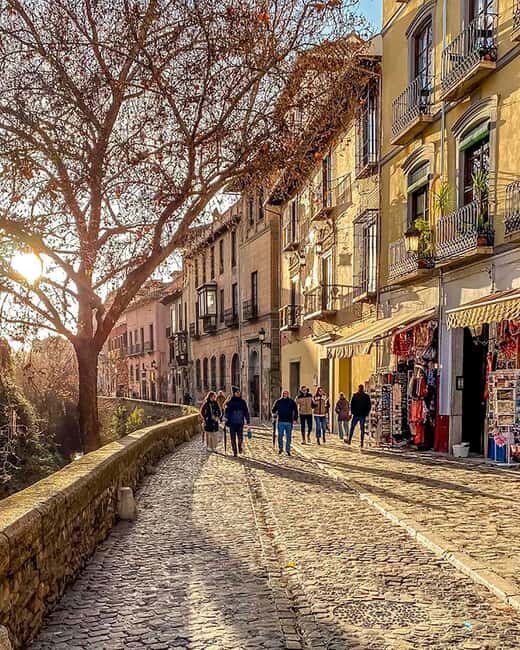
Granada is a city of changes in elevation, and this route includes ups and downs. You’ll also be on cobblestone streets and stairs, which means the difference between a good day and a tiring day is mostly footwear.
Here’s how I’d plan it:
- Wear comfortable shoes you trust on uneven ground.
- Bring water, especially if you’re walking under strong sun.
- If you feel the legs going early, slow down for the viewpoints. The guide’s job is to keep the group moving; your job is to move at your safe pace.
Also, this tour is not suitable for wheelchair users. If you need step-free access, you’ll want to choose a different format.
Official local guide + English tour, and what to expect from Daniel, Marta, and Martha
The tour runs with a live guide in English, and the standout theme in feedback is how the guide handles the group: informative, patient, and responsive to questions.
I kept noticing the same pattern in the praise for Daniel and for guides named Marta and Martha. People specifically call out that the guide gives lots of information without rushing, and that Q&A feels welcome rather than awkward.
That’s a big deal because a walking tour can become either:
- a fast slideshow of stops, or
- a conversation where you understand what you’re seeing.
This one leans strongly toward the second.
If you want to get the most out of it, come ready with one or two topics. For example: what civilizations shaped Granada, or what makes the Albaicín different from the center. Then ask at a natural pause, like a viewpoint stop or outside a church.
Price and value: is $17 a fair deal for Granada’s viewpoints?
At $17 per person for a 2-hour guided walk, the value is tied to what you actually get access to, not just where you’re walked.
You’re paying for:
- An official local guide
- Time in major historic areas, including Albaicín and Centro Histórico
- Casa Carmen access
- Practical recommendations for gastronomy and culture
Food and drinks are not included, so you still need your own plan for snacks. But that’s also why the price can stay reasonable—you’re not paying tour pricing inflated by meals.
If you’re doing Granada for a short visit, this price feels competitive because it packages multiple priorities in one go: viewpoints, key neighborhoods, and one indoor access stop.
What kind of traveler should book this Albaicín origin walk?
This tour is a great match if you:
- are in Granada for the first time and want an organized “orientation route”
- care about art and history, but also want a guide who makes it human
- love viewpoints and want them paired with context
- enjoy exploring the differences between neighborhoods rather than only hitting monuments
You might skip it if:
- you need step-free walking or have mobility limitations
- you dislike uphill routes on cobblestones
- you want a slow, sit-down tour with lots of indoor time
Quick practical tips before you go
A few small things make a noticeable difference:
- Bring a camera and charge it fully before the mirador time
- Pack water and plan for hills
- Wear weather-appropriate clothing, since Granada weather can shift
- If you’re sensitive to stairs, decide ahead of time what pace you’ll use on the uphill segments
And when you reach a viewpoint—especially Plaza de San Nicolás—take the extra minute to look around slowly. The guide’s explanation becomes easier to understand when you’re not rushing your eyes.
Should you book Granada from its Origin; Albaicín?
If you want the Albaicín experience without guessing your route, I’d book this. You get a tight 2-hour format that hits the city’s most photo-worthy angles, plus a Casa Carmen stop that adds real local life texture.
The only solid reason to hesitate is physical comfort: the hills, stairs, and cobblestones are part of the deal. If that’s manageable for you, this is one of the more efficient ways to understand Granada in one sitting—without turning your day into a checklist.
FAQ
Where does the tour start?
The tour starts at Puerta de Elvira.
Where do I meet the guide?
You’ll find the guide next to Puerta de Elvira, with official guide accreditation hanging around their neck.
How long is the tour?
The tour lasts 2 hours.
Is food included?
No. Food and drinks are not included.
What areas does the tour cover?
You’ll visit Albaicín and Centro Histórico.
Does the tour include Casa Carmen?
Yes. Access to Casa Carmen is included.
What language is the tour in?
The tour is in English.
Is the tour suitable for wheelchair users or mobility impairments?
No. It is not suitable for people with mobility impairments or wheelchair users.