REVIEW · ALBAICIN & SACROMONTE TOURS
Albayzín y Sacromonte, Unesco Heritage Neighborhoods
Book on Viator →Operated by My Top Tour · Bookable on Viator
Granada rewards a good pair of shoes. This walk links two UNESCO neighborhoods with a guide who handles the turns and keeps the history clear as you move. You’ll also time it well for views toward the Sierra Nevada and the Alhambra.
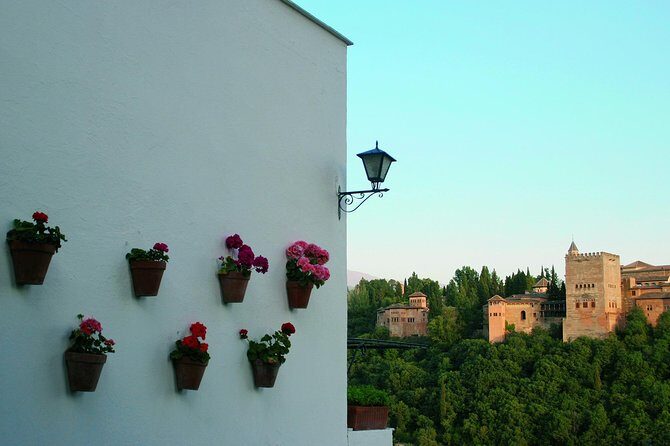
I especially like how the Albaycín feels lived-in, not staged: winding lanes, intimate little squares, and those carved-in-the-stone details like mosque remnants and cisterns. You also get a real sense of everyday Granada through the idea of cármenes (garden homes with characteristic towers), plus the payoff viewpoints at San Nicolás and San Cristóbal.
One thing to consider: this is a hill-and-stairs walking tour. If you’re sensitive to steep slopes or plan to stop for lots of photos, build in extra time and take breaks.
In This Review
- Key highlights you’ll actually notice
- How the 5:00 pm start makes this feel like Granada at golden hour
- Murallas del Albayzín: where the streets still feel like a maze
- The miradors: San Nicolás and San Cristóbal for Alhambra views that feel close
- Sacromonte caves: the story behind the reddish hill and the ravines
- Walking comfort: up and down, but not chaotic
- What you pay for: value at $21.78 with the right expectations
- Timing, food, and photo habits that make the tour smoother
- The one thing to protect yourself from: meeting-point mix-ups
- Who this tour is best for (and who might not love it)
- Should you book Albayzín y Sacromonte?
- FAQ
- How long is the tour?
- Where does the tour start and end?
- Is the tour in English?
- What’s included in the price?
- Are there tickets required for the main stops?
- How many people are in a group?
Key highlights you’ll actually notice
- Small group (max 15): easier pace, easier conversation, easier photos without getting swallowed by crowds
- Free-feeling stops: the listed entrances for Albaycín walls and Sacromonte caves show as admission-free
- 5:00 pm timing: the light makes the Alhambra and the hills look dramatic without turning the walk into a slog
- Guide-led navigation: you won’t be hunting streets in the maze of Albaycín
- Culture layers: Muslim-era traces in Albaycín plus Sacromonte’s cave community and flamenco traditions
- Views you’ll point at: big panoramas from miradors, especially toward the Alhambra
How the 5:00 pm start makes this feel like Granada at golden hour
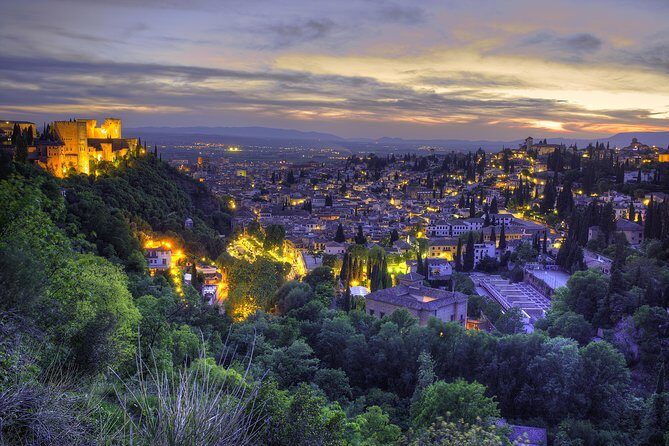
The tour starts at 5:00 pm in Plaza de Santa Ana (Pl. de Sta. Ana). That’s a smart move because the late-day light tends to flatter both neighborhoods: stone turns warm, and the views toward the Alhambra start looking less distant and more present.
You’ll typically finish in the Albaicín area, which is handy because you’re ending where people naturally want to wander after a walking tour. This isn’t a “drop you off far away” kind of setup.
Also worth noting: the total visit is listed as about 2 hours 30 minutes (with the route timed in two main chunks). That length is long enough for real neighborhood context, but not so long that you feel trapped.
You can also read our reviews of more historical tours in Granada


Murallas del Albayzín: where the streets still feel like a maze
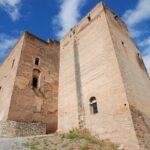
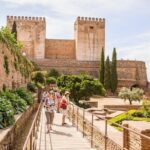
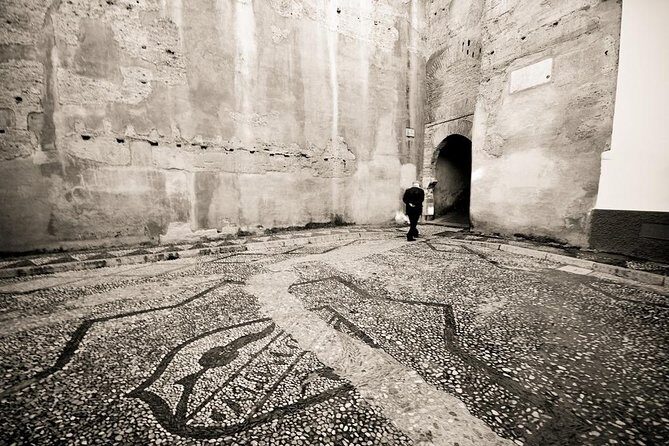
The first stop is the Murallas del Albaycín, and this is where the neighborhood’s UNESCO value becomes obvious fast. The Albaycín is one of the ancient nuclei of Granada, traditionally tied to Muslim Granada alongside the Alhambra and nearby districts.
Here’s what I like about this part of the walk: you’re not just looking at old buildings. You’re walking through the shape of the community—winding, narrow lanes that can feel elusive even when you’re looking straight at a street sign. The guide’s job matters here because Albaycín can genuinely test your sense of direction.
A few details you’ll likely hear explained as you pass:
- Remains of mosques and minarets (so you understand this area wasn’t just “old,” it was functional and religious)
- Spanish-Muslim cisterns, which are a hint of how water and daily life were handled
- Palaces, churches, and mansions where different eras overlap
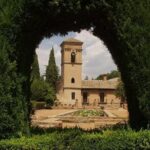
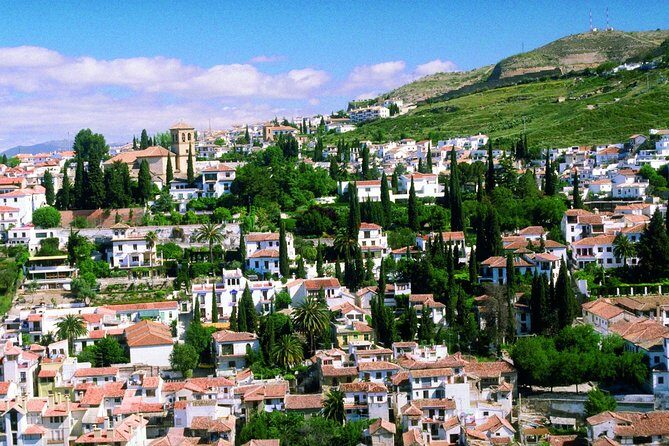
The neighborhood is also known for cármenes—Granada-style garden homes with towers influenced by Moorish and Mudejar styles. Even if you can’t go into every home, the idea helps you read what you’re seeing as you walk: high walls, small garden glimpses, and a sense of privacy tucked into the slope.
One useful practical tip: wear shoes you trust. The route is full of small grade changes and short stretches that ask for careful footing. That slows you down in a good way, because it gives you time to actually absorb what’s around you.
The miradors: San Nicolás and San Cristóbal for Alhambra views that feel close
After you get the neighborhood context, the walk brings you to the viewpoints that people travel specifically to see.
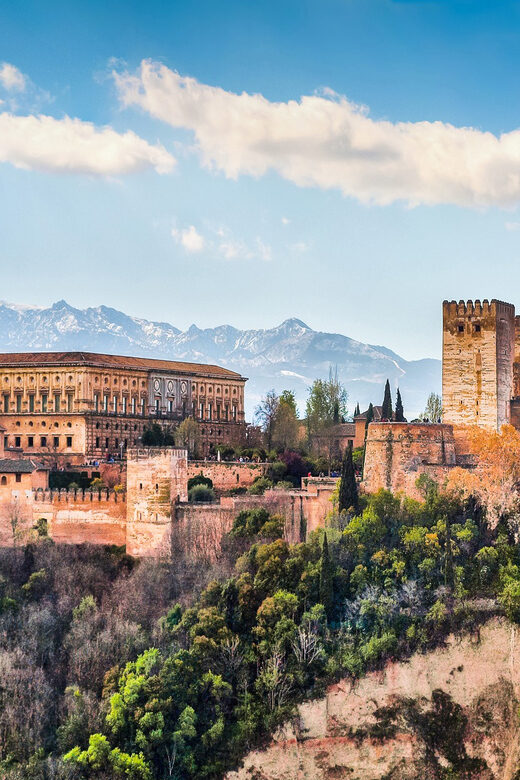
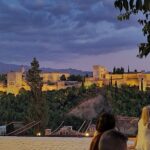
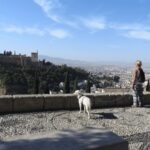
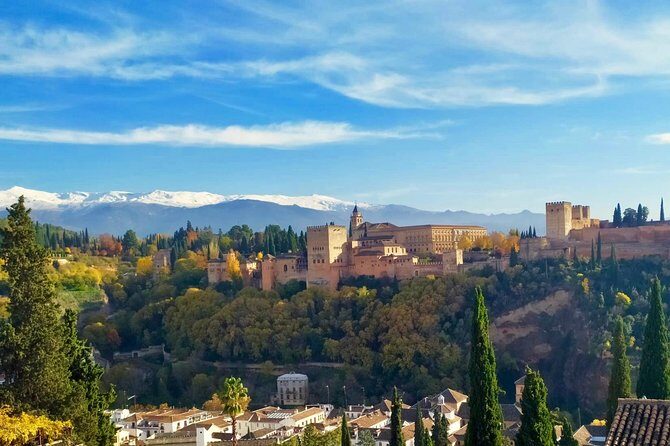
The San Nicolás and San Cristóbal miradors are where your photos get easier, because the guide positions you where the angles work. You’ll be looking out over Granada and toward the Alhambra, and in late-day light it often feels like the view is more layered than you expected—hills, rooftops, and that iconic palace silhouette.
What I like most about stopping at miradors on a guided walk is pacing. A good guide doesn’t just point and rush. They help you understand what you’re looking at and then give you enough time to take photos without turning the viewpoint into a queue circus.
If your guide is someone like Ana, Jaime, Juana, or Alexandra (names reported by past groups), you can expect explanations that connect the physical streets to the human story—how neighborhoods grew, how communities lived side by side, and why these spots mattered.
Sacromonte caves: the story behind the reddish hill and the ravines
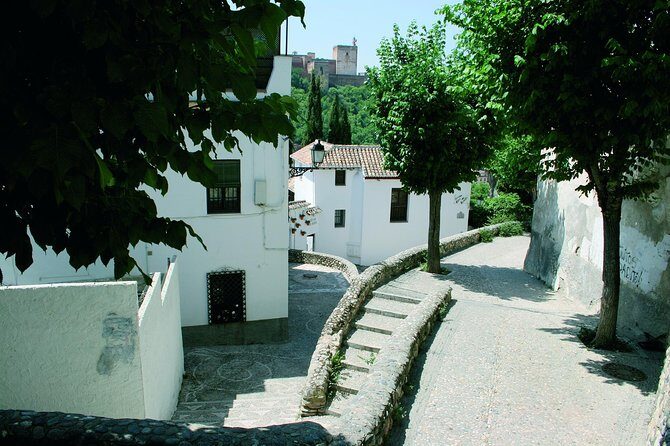
Next comes Sacromonte, which feels different immediately. The hill is reddish and dry, dotted with plants like pitas and prickly pears, and the panoramas start widening. From here you can often see the Alhambra towers, the white slopes above the Albaicín houses, and greenery through valleys where the Darro runs.
Sacromonte’s signature is its caves, clustered around ravines so the “streets” are really cave-front spaces arranged along the slope. This is one of the easiest places to understand the neighborhood’s character: form follows geography.
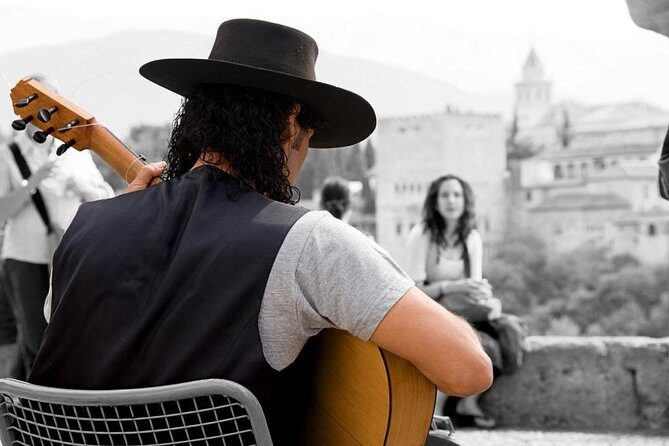
And then there’s the cultural thread. Sacromonte is traditionally associated with Granada’s Romani community (often described historically as arriving in Spain in the 15th century after wandering through parts of Europe and Africa). You may hear references to caló, the community’s language, and to the way their traditions show up in Zambras, the flamenco spectacle tied to the cave setting.
Even if you’re not there for a performance, the caves themselves do something important: they explain why the area became famous. It’s not just scenery—it’s a long-running home pattern shaped by the hillside.
The stop is timed around 45 minutes, which is a good length. You’ll get enough time to look around, understand the setting, and take photos without feeling like you’re stuck in one spot.
Walking comfort: up and down, but not chaotic
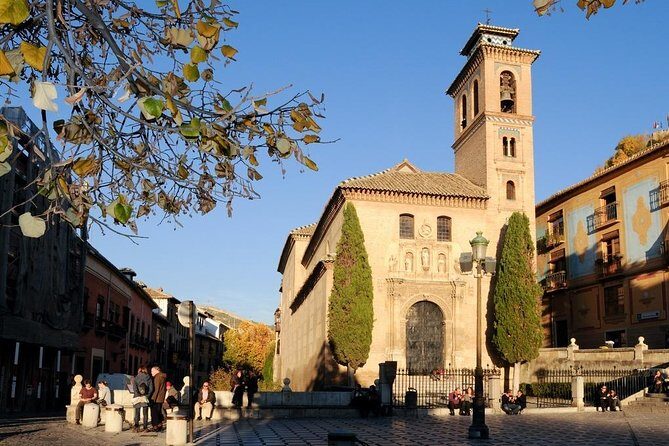
This is a walking tour, and the neighborhoods are built on steep terrain. Expect inclines and stairs. The good news is that the tour is described as suitable for most travelers, and the group size stays small.
What keeps it manageable is the structure:
- You’re moving between two compact neighborhood zones rather than doing an all-day city marathon
- You get guide-led navigation, so you’re not stopping repeatedly to re-find the route
- You can take photos during planned pauses rather than constantly detouring on your own
Still, be honest with yourself. If you have knee issues, fatigue issues, or you don’t enjoy steady uphill walking, consider whether the miradors and cave area are worth it. For many people, the views make the effort feel justified. For others, the hills are the deal-breaker.



What you pay for: value at $21.78 with the right expectations
At $21.78 per person for about 2–3 hours, this tour is priced like a “guide + route” product, not a museum ticket package. You do pay for someone to:
- bring you through two historic neighborhoods
- explain what you’re seeing in plain terms
- keep the walking flowing
- handle the navigation so you don’t lose time in the maze
The tour includes an official tourism guide and an approximate visit length of 2 hours 30 minutes.
What it does not include:
- Monument tickets (so if you want interior visits or paid attractions, budget separately)
- Food and drinks
That said, the main listed sights show as admission-free for the time you spend at them. So you’re not forced into extra ticket spending just to enjoy the core experience. You get the atmosphere, the viewpoints, and the neighborhood context.
Timing, food, and photo habits that make the tour smoother
Because the start is 5:00 pm, you’ll want to think about dinner timing. The tour doesn’t include food, so if you’re coming straight from lunch or from a midday activity, you may want a snack before you head to Plaza de Santa Ana. If you like to eat light and save dinner for after, that usually works well.
For photos, plan to:
- wear clothes you can move in (the hills are real)
- keep your camera accessible for mirador moments
- expect narrow streets where you’ll need to pause quickly and then move on
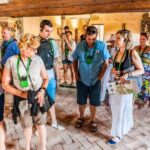
A small group helps. With up to 15 people, you’re less likely to feel trapped behind strangers when you stop to frame a shot.
The one thing to protect yourself from: meeting-point mix-ups
Most people experience this tour smoothly, but there are a few cases where the guide didn’t show at the start point. That’s rare, but it’s serious enough to plan for.
Here’s the simple way to reduce risk:
- arrive early at Plaza de Santa Ana so you’re not scrambling
- double-check you’re at the correct starting spot before the start time
- keep your booking details handy in case you need to contact the provider
This kind of tour depends on everyone starting together, so your job is just showing up to the right place on time.
Who this tour is best for (and who might not love it)
This tour is a great fit if you want:
- two UNESCO neighborhoods in one outing
- the feel of Albaycín without getting lost
- views toward the Alhambra from classic miradors
- a cultural story that connects Muslim-era traces with Sacromonte’s cave community
It’s also a smart choice if you like guided context. Albaycín has a lot going on, and the guide’s explanation helps you notice details you’d probably miss on your own.
It’s less ideal if:
- you hate walking uphill and on stairs
- you need mostly flat terrain
- you’re hoping for lots of indoor monument ticket time (those are not included)
Should you book Albayzín y Sacromonte?
Yes—if you’re comfortable with a hilly walking route and you want a guided way to see two UNESCO areas without turning the day into a navigation puzzle. The value is strong because you’re paying mainly for guide time plus a route that hits the big viewpoint moments.
If you’re on the fence because of walking difficulty, do the honest test: would you enjoy a sunset-style stroll with stops at miradors and a cave neighborhood? If the answer is yes, this is one of the best ways to experience Granada’s layered past in a single evening window.
If the answer is no, you might enjoy a slower, more flexible self-guided plan instead—Albaycín and Sacromonte reward both styles, but the walking here is part of the point.
FAQ
How long is the tour?
It runs for about 2 to 3 hours. The visit is described as 2 hours and 30 minutes total.
Where does the tour start and end?
It starts at Plaza de Santa Ana (Pl. de Sta. Ana, Granada, Spain) at 5:00 pm and ends in the Albaicín area.
Is the tour in English?
Yes, it’s offered in English.
What’s included in the price?
You get an official tourism guide and about 2 hours 30 minutes of guided visiting. Monument tickets and food and drinks are not included.
Are there tickets required for the main stops?
The listed admission for the two main stops is shown as free (Murallas del Albaycín and the Sacromonte caves). Monument tickets are still not included if you want extra paid visits.
How many people are in a group?
The tour has a maximum of 15 travelers, keeping it small for a more manageable walking pace.