REVIEW · ALBAICIN & SACROMONTE TOURS
Granada: Historic Center and Lower Albaicin Walking Tour
Book on GetYourGuide →Operated by TABLAO FLAMENCO LA ALBOREA · Bookable on GetYourGuide
Granada makes sense on foot. In just 2.5 hours, this guided walking tour stitches together the city’s historic center and the lower Albaicín, with stories that connect Islamic Granada and the Reconquista to what you see today. The big payoff is a photo stop at a standout Alhambra viewpoint from the lower neighborhood.
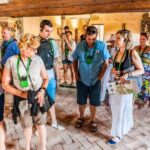
What I like most is the way the guide turns landmarks into a story you can actually remember. Many guests rave about guides such as Pablo and Jaime for being friendly, funny, and packed with details, plus for answering questions as you go. The main drawback is physical: the walk includes going up into the Albaicín area, so it’s not suitable for mobility impairments, and some people may want to go slower or take extra breaks.
In This Review
- Key things to know before you go
- Why this Granada walk is a smart first-trip move
- Meeting in the center: Isabel La Católica and Cristobal Colón
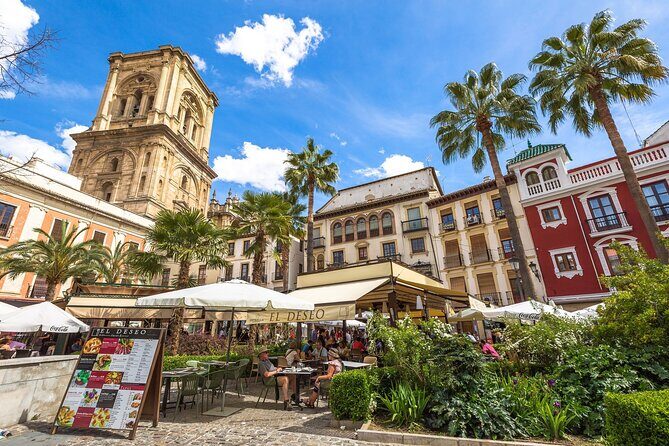
- Historic center highlights: squares and major landmarks
- A note on pacing
- Plaza Bib Rambla and the Giants Fountain moment
- Corral del Carbón and the Alcaicería: where the stories feel layered
- The Cathedral area and other power-symbol buildings
- Entering lower Albaicín: narrow streets, Moorish memories
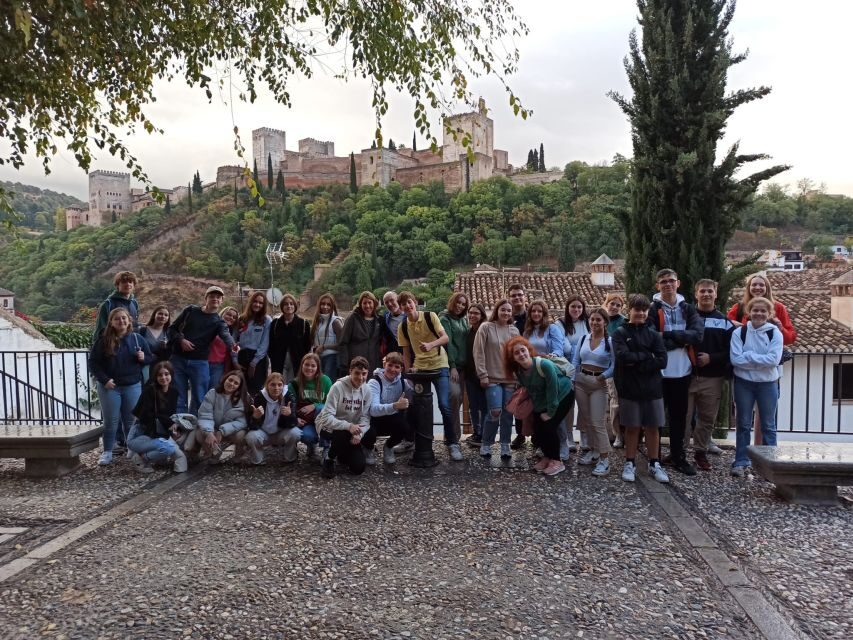
- The Alhambra viewpoint stop: the photo that sells Granada
- Flamenco context: a quiet cultural interlude
- Price and value: what $16 buys you in real time
- Who should book this tour (and who might skip it)
- Should you book the Granada Historic Center and Lower Albaicín tour?
- FAQ
- How long is the Granada Historic Center and Lower Albaicín walking tour?
- How much does the tour cost?
- Where do I meet the guide?
- What’s included in the price?
- What languages are offered?
- Is this tour suitable for people with mobility impairments?
- What should I wear or bring?
Key things to know before you go
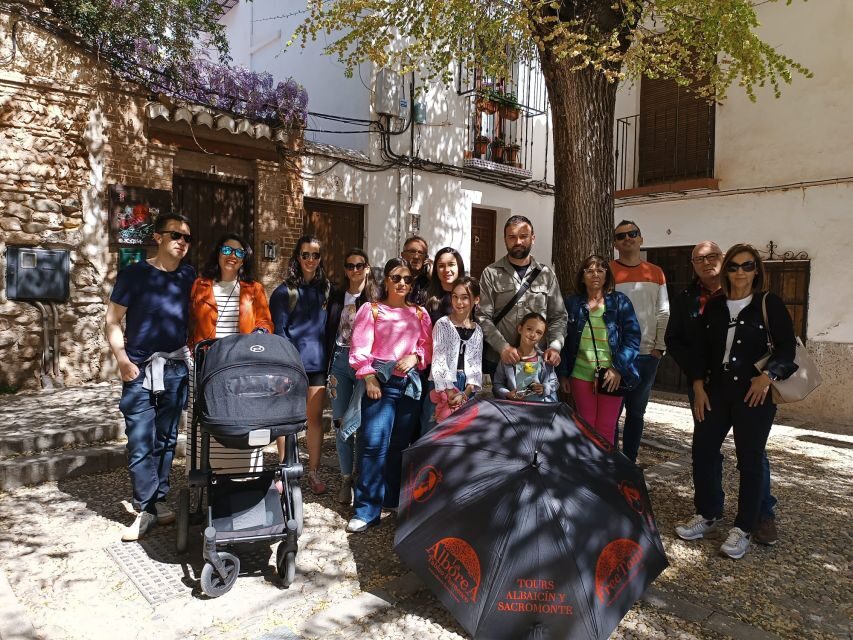
- Alhambra photos from lower Albaicín without needing to base yourself uphill
- Historic-center highlights you can use to plan the rest of your trip
- Islamic heritage + Reconquista storytelling in plain language
- Beautiful squares and streets paired with major monuments
- Guides who manage pace on busy days with clear stop points
- A small-group feel is possible, making it feel closer to a private tour
Why this Granada walk is a smart first-trip move
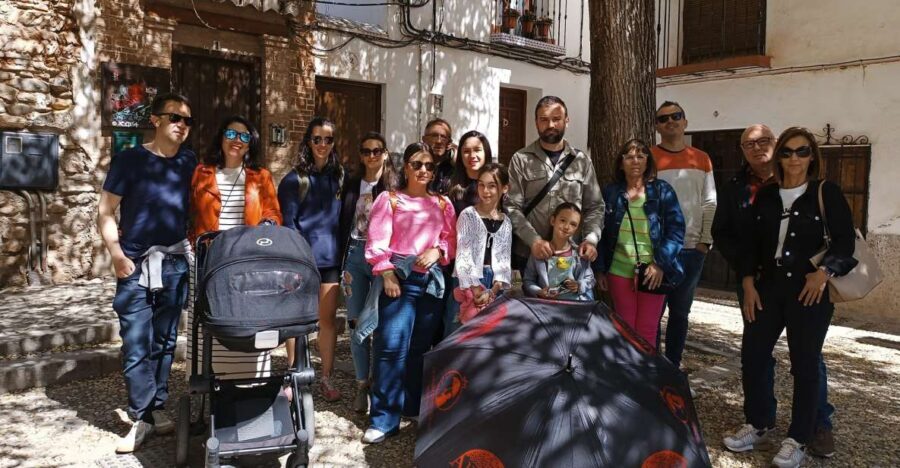
If Granada is your first stop in Andalusia, this tour helps you build a mental map fast. You’re not just ticking off famous spots; you’re learning how the city’s layers fit together—Muslim rule, the Christian kingdoms, and the long transition that ends with the Reconquista in 1492.
The route also makes practical sense. You start in the center, move through classic monuments and squares, then shift into the lower Albaicín where the streets feel like they still belong to the old city. In 2.5 hours, you get enough orientation to pick your next move—whether that means going deeper into the cathedral area, wandering the market streets again later, or spending extra time at the viewpoints you loved most.
You can also read our reviews of more walking tours in Granada

Meeting in the center: Isabel La Católica and Cristobal Colón
You meet your guide in front of the monument to Isabel La Católica and Cristobal Colón. That’s a useful anchor point because it puts you in the historic core right away, before you’ve walked too far to wonder where you are.
Give yourself time to arrive a few minutes early. Even with a 2.5-hour time window, meeting on time matters because you’ll want the whole tour rhythm—especially the viewpoint stop later on. Comfortable shoes are the big must here; Granada streets are often uneven and the Albaicín section is harder than the flat-center parts.
Historic center highlights: squares and major landmarks
The tour focuses on the heart of Granada, where you’ll pass several of the most important buildings and public spaces. Expect the guide to connect each stop to the city’s shifting identity—how Granada became a meeting point of cultures and faiths, and how the Christian kingdoms reshaped the city after 1492.
Key landmarks you’ll see in this zone include:
- Corral del Carbón
- Alcaicería
- Plaza Bib Rambla
- Church of Saint Ana
- Royal High Court
- Madraza
- Cathedral
- Royal Chancillería
- Royal Jail
- Giants Fountain in Plaza Bib Rambla
What makes these stops valuable isn’t just the names. It’s the way the guide explains what each place represents in the broader story. You’ll likely walk away with a clearer sense of what area belongs to the earlier layers and what feels more shaped by later rule.
A note on pacing
In the center, the pace feels like “walk and look” while the guide fills in context. In other words, this isn’t a museum-in-a-bottle tour where you’ll be stuck for long periods. You’ll keep moving, which is great if you want to see a lot without spending your day indoors.
Plaza Bib Rambla and the Giants Fountain moment
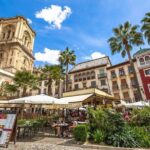
If you only gave yourself one square to revisit later, I’d pick Plaza Bib Rambla. It’s one of those spaces that works as a reset point during the walk: you can stop, breathe, and absorb what’s around you.
The tour includes the Giants Fountain, and the guide’s commentary is the reason this stop lands. Instead of treating the fountain as a quick snapshot, you’ll understand how it fits into the life of the city—public space as a stage for Granada’s changing eras.
Practical tip: use this moment to check your photos and water situation. By the time you’re heading toward the Albaicín streets, you’ll be grateful for a short pause.
You can also read our reviews of more historical tours in Granada




Corral del Carbón and the Alcaicería: where the stories feel layered
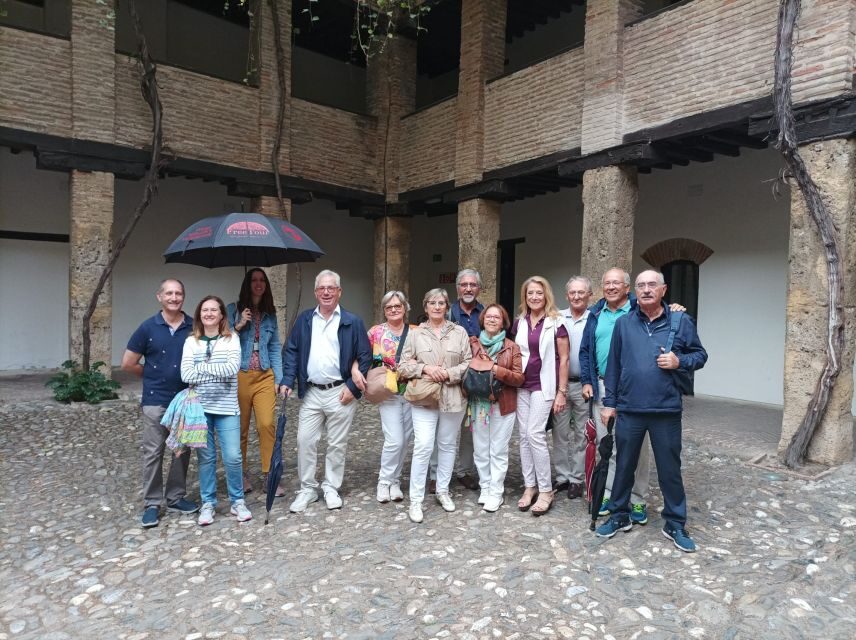
The route brings you past Corral del Carbón and the Alcaicería, two names that come up again and again when people talk about Granada’s historic core. Even if you’re not a deep-architecture nerd, these are the kinds of sites where the guide’s explanations make you look differently at what’s in front of you.
I like how this tour avoids “just stand here” energy. The guide uses the stops to reinforce the tour theme: Granada as a place where different cultures left visible marks. And because the tour also mentions Islamic heritage and the Reconquista, you get the bigger picture rather than random facts floating by.
If you’re the kind of traveler who keeps a loose list of places to return to later, jot down anything that stood out here. These are ideal for your follow-up wandering.
The Cathedral area and other power-symbol buildings
The tour also passes through the zone that includes the Cathedral, plus civic and legal-sounding landmarks like the Royal High Court, Royal Chancillería, and Royal Jail. This is where the story shifts toward power, institutions, and what changed after the end of Muslim rule.
Again, the value is in how the guide explains significance. You’ll be hearing about the Reconquista and how Granada’s identity was reshaped, while you walk past buildings that signal those changes.
For many first-time visitors, this part is the “aha” section. You start noticing patterns—how the city’s layout and prominent buildings help you read the past without needing a history degree.
Entering lower Albaicín: narrow streets, Moorish memories
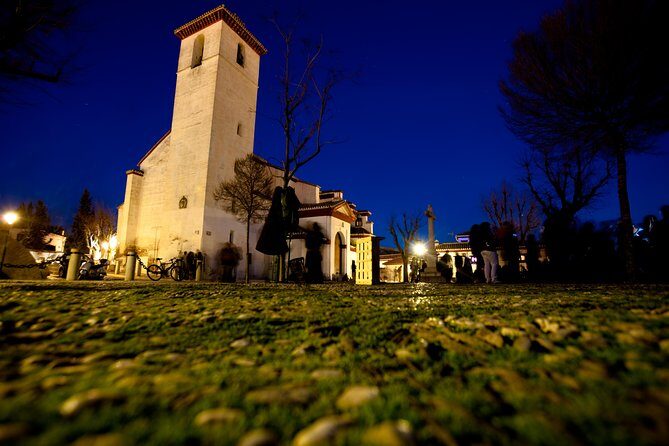
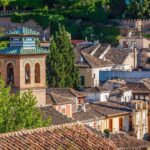
Then comes the shift: lower Albaicín. This is where the walking becomes more atmospheric. You move into the narrow, charming streets that feel like they carry the memory of Granada’s Moorish past.
Here’s the practical reality: this section includes enough uphill walking that you should plan for slower steps. If you have knee issues or heart-related limits, this is where you’ll feel it. The tour is marked as not suitable for mobility impairments, and even on a good day, the terrain is the main reason to take care with pacing.
On the positive side, the payoff is worth it. The Albaicín streets give you that old-city feeling right away, and the guide helps you keep the story straight while you’re navigating the twists and turns.
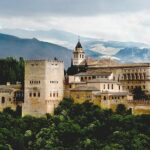
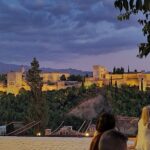
The Alhambra viewpoint stop: the photo that sells Granada
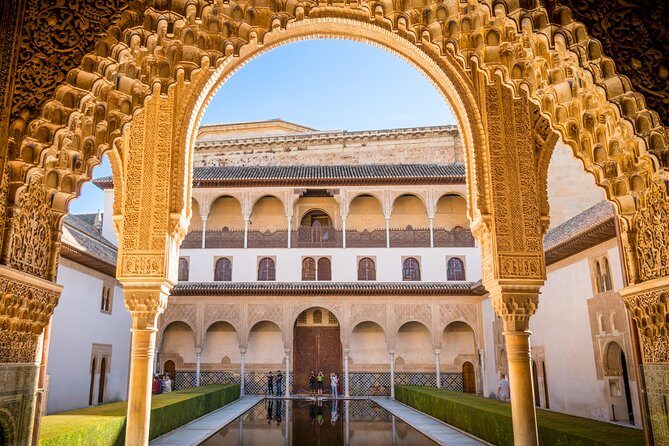
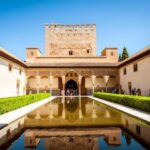
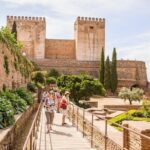
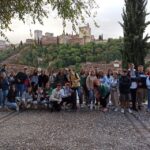
The tour includes a stop at a viewpoint of the Alhambra, specifically from the lower Albaicín. This is one of the most praised moments because it hits two needs at once:
1) you get a dramatic view without spending all day near the ticket lines, and
2) you connect what you’re seeing to the larger story of the city.
Photo tip: stand where the guide points, then adjust your angle slightly. Viewpoints can look almost identical from far away, but the best one usually depends on small changes in elevation and where the light falls.
Also, if you’ve already seen the Alhambra from other spots, this viewpoint still works because it frames the monument differently and gives you a “where am I in the city?” feeling.
Flamenco context: a quiet cultural interlude
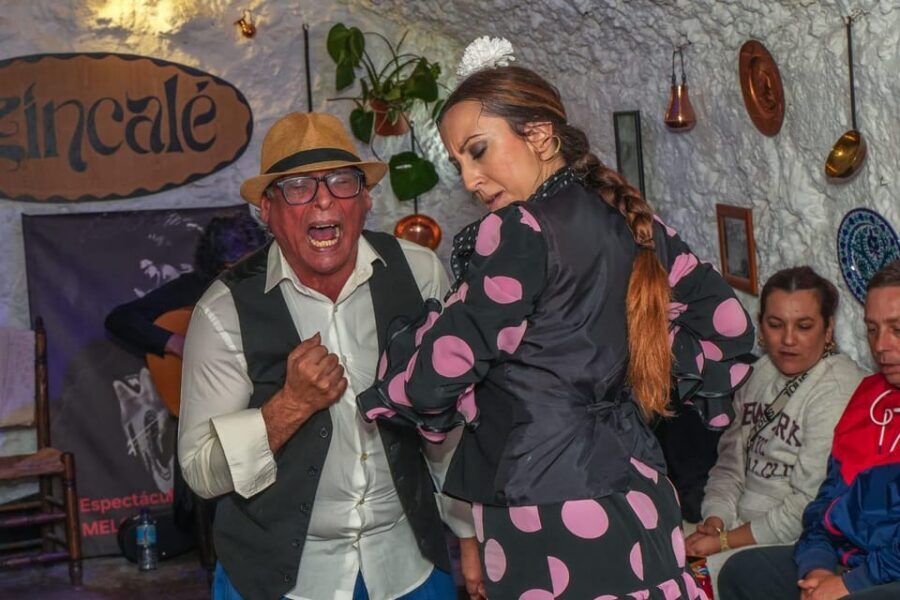
One small but meaningful extra shows up in the guide style described by guests: a peaceful interlude explaining flamenco. It’s not the main reason you’re booking, but it’s a nice way to round out the tour.
It matters because the walking tells you Granada’s history. The flamenco context reminds you that Granada isn’t only a postcard of monuments—it’s also a living culture. Even if flamenco isn’t your top interest, this kind of brief, human-scale stop makes the tour feel less like a checklist.
Price and value: what $16 buys you in real time
At $16 per person for a 2.5-hour guided walking tour, the value is strong for a few reasons.
First, you’re buying a local guide’s ability to connect places. A lot of Granada’s historic center can feel like a blur of stone names—until someone explains why they matter and how they relate to Islamic heritage and the Reconquista ending in 1492.
Second, the tour’s length is well matched to the goal: get oriented, see major highlights, and get at least one powerful view of the Alhambra before you run out of daylight. Two and a half hours is long enough to feel like you did something real, and short enough that you still have energy for your own exploration afterward.
Third, the guide quality seems to be the standout. Lots of guests give top marks for guides being friendly, entertaining, and responsive to questions, including guides like Pablo and Jaime. That’s what turns a low-cost walk into a memorable one.
Who should book this tour (and who might skip it)
This tour is a great fit if you:
- are visiting Granada for the first time and want fast orientation
- like history explained in a way that you can carry while you walk
- want a reliable way to see a major Alhambra viewpoint
- enjoy asking questions and getting direct answers from your guide
You might skip it if you:
- need mobility accommodations. The route is not suitable for mobility impairments and includes walking into the Albaicín with uphill sections
- dislike walking and prefer spending your limited time with fewer stops
Should you book the Granada Historic Center and Lower Albaicín tour?
I’d book this if you want to understand Granada quickly and see the city in a way that helps your next day(s) feel easier. The combination of historic-center monuments, the Albaicín street feel, and the Alhambra viewpoint makes it a high-return use of time. Plus, the guide focus—names like Pablo and Jaime show up in great feedback—suggests this isn’t a generic “read from a script” walk.
Book it early in your trip. You’ll come away with a clear sense of where to wander and what to revisit, and you’ll have the kind of story framework that turns random streets into something you can actually follow.
FAQ
How long is the Granada Historic Center and Lower Albaicín walking tour?
It lasts 2.5 hours.
How much does the tour cost?
The price is $16 per person.
Where do I meet the guide?
Meet the guide in front of the monument of Isabel La Católica and Cristobal Colón.
What’s included in the price?
You get a guide and the walking tour.
What languages are offered?
The tour is available in Spanish and English.
Is this tour suitable for people with mobility impairments?
No. It’s listed as not suitable for people with mobility impairments.
What should I wear or bring?
Bring comfortable shoes for walking on uneven streets.