REVIEW · MUSEUMS
Exhibition Inquisition Instruments of Torture in Granada
Book on Viator →Operated by AG Flamenco · Bookable on Viator
Torture devices are a tough first thought—then it works. In Granada’s Palacio de los Olvidados, this small exhibition focuses on the Inquisition instruments of torture and capital punishment, tying them to inquisitorial courts across Europe, and wrapping up with a viewpoint over the Alhambra area. I especially liked how the setting (a restored 16th-century palace) adds weight to what you’re seeing, and how the museum doesn’t drag. One thing to plan for: it’s brief, so if you’re craving deep historical storytelling, you may wish for more context than the rooms provide.
For most people, this is a smart add-on. You can fit it into a wandering day in the Albaicín without committing a half day. And at $9, it’s one of those rare stops where the price stays friendly even if it’s not your dream topic.
In This Review
- Key Highlights You’ll Actually Notice
- Palacio de los Olvidados: The Building Changes the Mood
- What the Exhibition Shows (And What It Doesn’t)
- The Pace: A Short Visit That Works in Real Life
- Stop Inside: How the Layout Feels
- End With the View: A Palate Cleanser Over the Alhambra
- Value for Money: Why $9 Makes Sense Here
- Where This Fits in Your Granada Day
- Who Should Book, and Who Should Skip
- Practical Stuff to Know Before You Go
- Should You Book the Exhibition?
- FAQ
- How long is the visit?
- Where is the Palacio de los Olvidados located?
- What does the exhibition include?
- Is the $9 ticket price all-inclusive?
- Are there mobile tickets?
- What are the opening hours?
- Is private transportation included?
- Is the site suitable if I need public transport access?
Key Highlights You’ll Actually Notice
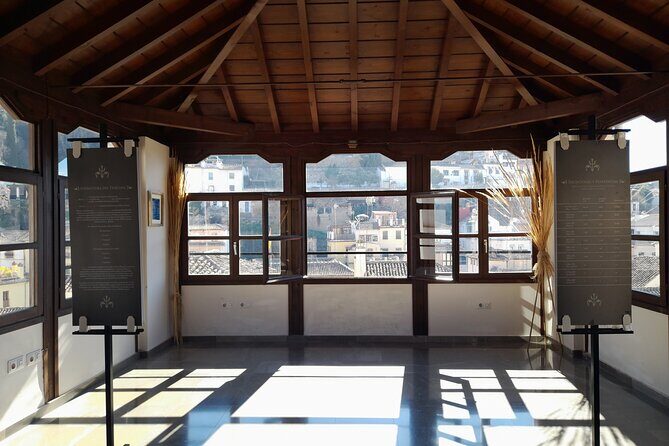
- A restored 16th-century palace setting in the lower Albaicín area near the Darro River
- Instruments of torture and capital punishment tied to inquisitorial courts in Europe
- Quick visit time that you can likely finish in about 30 minutes
- A viewpoint experience at the end, aimed toward the Alhambra area
- Good value at $9 for a focused, permanent exhibition
Palacio de los Olvidados: The Building Changes the Mood
This isn’t a cookie-cutter museum hall. The exhibition sits inside the Palacio de los Olvidados, a 16th-century construction that’s been restored. The palace location matters too: it’s on the Santa Inés slope in the lower Albaicín, near the banks of the Darro River, and it’s right by the Alhambra’s world.
That means your walk there is part of the experience. The Albaicín is the part of Granada where streets feel tight and old—Arab, Sephardic, and Christian layers still show in the way the neighborhood is shaped. So when you step into a place like this, the exhibit feels less like a random stop and more like you’re stepping into history’s shadow.
Also, the museum is permanent. You’re not dealing with a short-lived theme that vanishes next month. That helps if you like consistency—what you pay for is the same exhibition you’ll get during your dates.
You can also read our reviews of more museum experiences in Granada

What the Exhibition Shows (And What It Doesn’t)
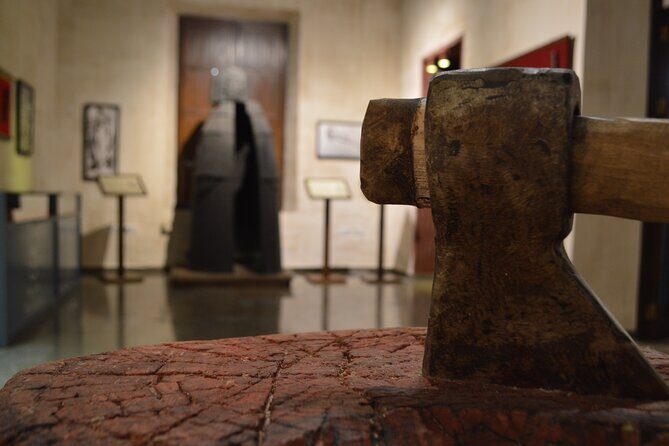
The exhibition’s core theme is straightforward: inquisitorial torture devices and capital punishment instruments. It presents a selection of machines used by different inquisitorial courts, covering both ecclesiastical and civil systems across Europe.
Here’s the important nuance the exhibition brings out. The Spanish ecclesiastical courts were described as more sparing in their use of instruments. The ones singled out as most used include the garrucha, the guitar, and the rack. Meanwhile, civil courts—both in Spain and elsewhere in Europe—are described as particularly cruel toward certain groups viewed as dangerous to social coexistence. That’s where many of the exposed machines come from.
What you’ll likely appreciate (and what can be uncomfortable) is that the exhibit doesn’t pretend all parts of justice were the same. It’s framed as a system with different hands applying pressure in different ways.
What you may not get, based on how the experience is described, is lots of deeper historical narrative. One of the most common reactions is that it’s interesting but leaves you wanting more history on the Inquisition itself—more about why, how, and what the broader story looked like beyond the objects on display.
The Pace: A Short Visit That Works in Real Life
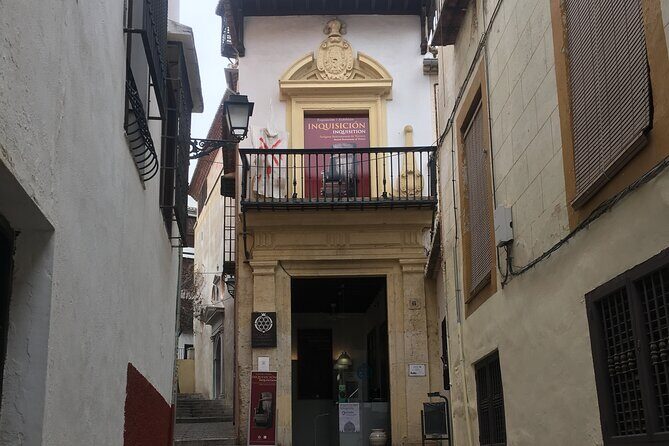
The stated visit time is roughly 1 to 40 minutes. In practice, it lines up with the idea that you can complete it quickly—around 30 minutes is a realistic target if you’re moving steadily and reading the key labels.
This is a big part of the value. Granada can swallow hours fast. You see a view, duck into a church, wander one street, then suddenly it’s late. A short, ticketed stop keeps you from feeling like you’ve traded your afternoon for one indoor room.
So think of this as a “grab the context” museum stop. You’re not signing up for a full evening commitment. You’re paying for a focused window into a dark topic, in a very specific historic setting.
Stop Inside: How the Layout Feels
You enter the palace and the exhibition takes you through its selection of instruments. The exhibits are presented as a permanent show, so you’re not watching a rotating schedule or waiting for an explanation that depends on the day.
Because the attraction is short, you’ll feel the “direct hit” style. There’s less time for long detours, which can be a good thing if you’re doing a packed day in Granada and want a clean checkmark.
You’ll also get that sense of contrast: the stone palace feels old and elegant, while the items on display are grim, designed for pain and control. That clash is part of the experience. It forces you to slow down and look, even if you would rather skip the details.
If you’re sensitive to graphic or disturbing content, give yourself permission to move through quickly. This is one of those places where you control your pace more than the exhibit does.
End With the View: A Palate Cleanser Over the Alhambra
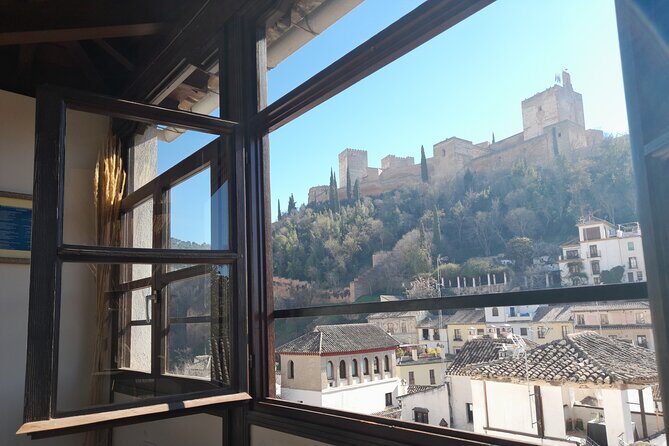
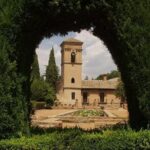
The visit doesn’t end in a dark corner and stop. You finish with a viewpoint overlooking the Alhambra area. That’s a smart design choice because it changes the emotional temperature of your visit.
After seeing objects designed to punish, you get light, air, and a sweeping reminder that Granada’s history isn’t only about hardship. The surrounding area—Albaicín’s slopes and the Alhambra looming nearby—puts the day back into place.
This is especially helpful if you’re doing the Albaicín on foot. The viewpoint can feel like a reward, even if the exhibit itself is hard to absorb.





Value for Money: Why $9 Makes Sense Here
At $9, this is priced for a quick, personal encounter rather than a full guided production. The key value isn’t just the cost—it’s the match between price and how long you’ll likely spend there.
If you’re paying more for a museum in Granada, you usually want either: (1) deep interpretation, (2) a big collection, or (3) a long, immersive experience. This one is smaller and more focused. So the value comes from knowing what you’re buying: a concise look at instruments associated with inquisitorial courts, with a historic palace and a viewpoint finish.
In other words, it’s a good choice if you’re curious enough to see the artifacts but practical enough not to demand a 2-hour lecture. If you want heavy context and extensive storytelling, you might consider pairing it with another history-focused stop in the city.
Where This Fits in Your Granada Day
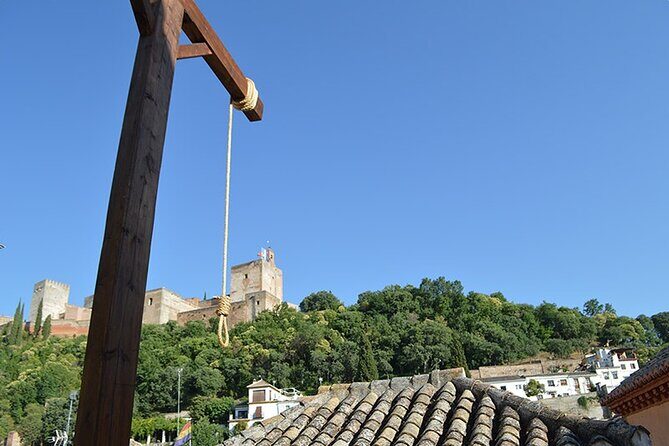
This works best as an add-on during a walking day in the Albaicín. You’ll already be thinking about the Alhambra, views, and old-street Granada. So this exhibition becomes one more layer—another slice of the city’s long, complicated past.
Because it’s mobile ticket friendly and quick, it’s also easier to fit in than bigger museums that swallow your schedule.
If you’re touring with mixed interests—someone who wants views and someone who wants a cultural stop—this can help. One part is the palace and devices; the other part is the Alhambra viewpoint. You don’t have to agree on everything to enjoy the overall arc.
Who Should Book, and Who Should Skip
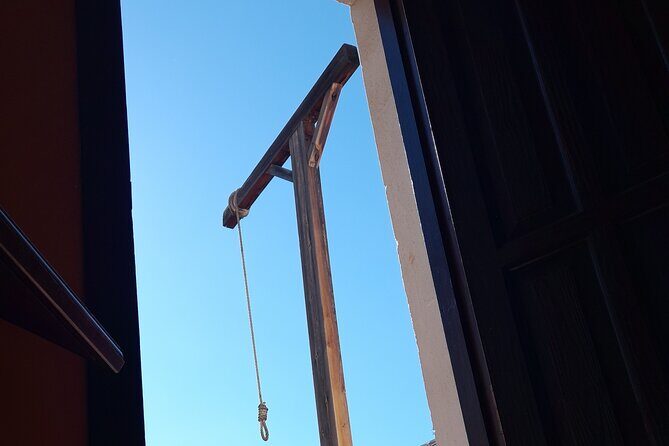
You should book this if:
- You like short, focused museum stops.
- You’re okay with a dark topic and want to see how it’s presented in a specific historic context.
- You want a low-cost ticket you can finish before your day gets too late.
You might skip it if:
- You’re looking for a long, detailed historical explanation of the Inquisition.
- You prefer museums with a larger collection, more interactive content, or stronger storytelling.
Practical Stuff to Know Before You Go
Opening hours run 10:30 AM to 7:00 PM daily. The schedule changes by date, so double-check your specific day within the listed ranges (starting 09/15/2023 through 05/31/2025, and then 06/01/2025 through 05/31/2026).
The ticket is a mobile ticket, and the experience includes all fees and taxes. Service animals are allowed, and the site is near public transportation. Most people can participate.
If you need private transportation, that isn’t included, so plan to walk, use local transit, or arrange something separately.
Should You Book the Exhibition?
Yes—with the right expectations. This is a smart pick if you want something short, unusual, and good value at $9, located in a restored palace setting with a finish that delivers Alhambra-area views. I’d recommend it as a quick cultural stop during an Albaicín day, not as your main historical deep dive.
If the idea of “torture instruments” is a deal-breaker for you, don’t force it. But if you can handle the subject matter and you’d like a compact, self-paced experience, it’s an easy yes.
FAQ
How long is the visit?
The experience runs about 1 to 40 minutes, and many people are able to complete it in roughly half an hour.
Where is the Palacio de los Olvidados located?
It’s in Granada’s lower Albaicín area, on the Santa Inés slope, near the Darro River and close to the Alhambra.
What does the exhibition include?
The permanent exhibition presents instruments of torture and capital punishment associated with inquisitorial courts across Europe, including examples tied to ecclesiastical and civil use.
Is the $9 ticket price all-inclusive?
The admission ticket price includes all fees and taxes.
Are there mobile tickets?
Yes. The experience uses a mobile ticket.
What are the opening hours?
Daily hours are listed as 10:30 AM to 7:00 PM, with different date ranges across 2023–2026, so check the schedule for your travel dates.
Is private transportation included?
No, private transportation is not included.
Is the site suitable if I need public transport access?
It’s described as near public transportation, and most travelers can participate. Service animals are allowed.