REVIEW · ALBAICIN & SACROMONTE TOURS
Granada: Albaicín and Sacromonte Guided Walking Tour
Book on GetYourGuide →Operated by Granada Tours a Pie · Bookable on GetYourGuide
Granada reveals itself in motion. This guided walking tour takes you through two UNESCO neighborhoods—Albaicín and Sacromonte—where the streets, stories, and views make sense fast. I like that it focuses on lived-in corners of the city, not just photo stops.
Two things stand out: the panoramic Alhambra viewpoints (especially from Mirador de San Nicolás), and the flamenco context in Sacromonte, including a stop connected to Enrique Morente. The main drawback to plan for is physical effort: expect stairs, steps, and steep hills, and it’s not a good fit for strollers or mobility limits.
In This Review
- Key things that make this walk worth your time
- A 2-hour route that strings Granada’s identity together
- Meeting at Plaza Santa Ana (orange umbrella) and what to bring
- Albaicín: the UNESCO Muslim quarter you can actually feel
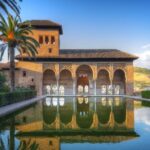
- Dar Al-Horra Palace: 14th-century Granada in one stop
- Mirador de San Nicolás: Alhambra views without turning into a statue
- Paseo de los Tristes: where stories follow the route
- Sacromonte: caves, community history, and a different Granada pace
- What it feels like on the ground
- Flamenco in Sacromonte: why the music has a home here
- Enrique Morente’s home stop
- The guide can make or break it (and the reviews back that up)
- Price and value: why $17 can feel like a bargain
- Who should book this walking tour
- Final call: should you book it?
- FAQ
- What is the duration of the Granada Albaicín and Sacromonte guided walking tour?
- Where is the meeting point for the tour?
- How much does the tour cost?
- What neighborhoods does the tour cover?
- What kinds of views will I see?
- Does the tour include flamenco culture?
- Is a guided tour included?
- Is wine included?
- Are monument entrance tickets included?
- Is the tour suitable for people with mobility impairments or strollers?
Key things that make this walk worth your time
- Albaicín’s UNESCO streets with explanations tied to everyday landmarks, not just big names
- Mirador de San Nicolás views over the Alhambra, timed by the flow of the tour
- Dar Al-Horra Palace and the 14th-century flavor of the neighborhood
- Paseo de los Tristes and the legends around the old funeral-carriage route
- Sacromonte caves and how post-conquest communities shaped cave life
- Flamenco history in context, including a stop at Enrique Morente’s home
A 2-hour route that strings Granada’s identity together
If you only have a morning or an early afternoon in Granada, this kind of guided walk is a smart way to get meaning out of the city. You’re covering two areas that Granada people treat like parts of the same story: Albaicín as the former Muslim quarter, and Sacromonte as the cave neighborhood tied closely to flamenco.
The tour is short—about 2 hours—but it doesn’t feel like a rushed checklist. It’s more like a guided “how to read the city” session. Your guide sets the scene, points out what to notice, and keeps you moving so you’re not stuck staring at plaques.
One practical tip: wear shoes that handle old stone and slopes. The route includes changes in elevation, and the walking style depends on the group and the guide’s pacing.
You can also read our reviews of more walking tours in Granada

Meeting at Plaza Santa Ana (orange umbrella) and what to bring
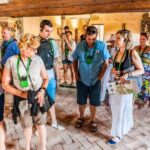
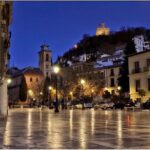
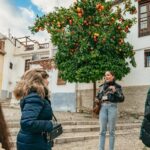
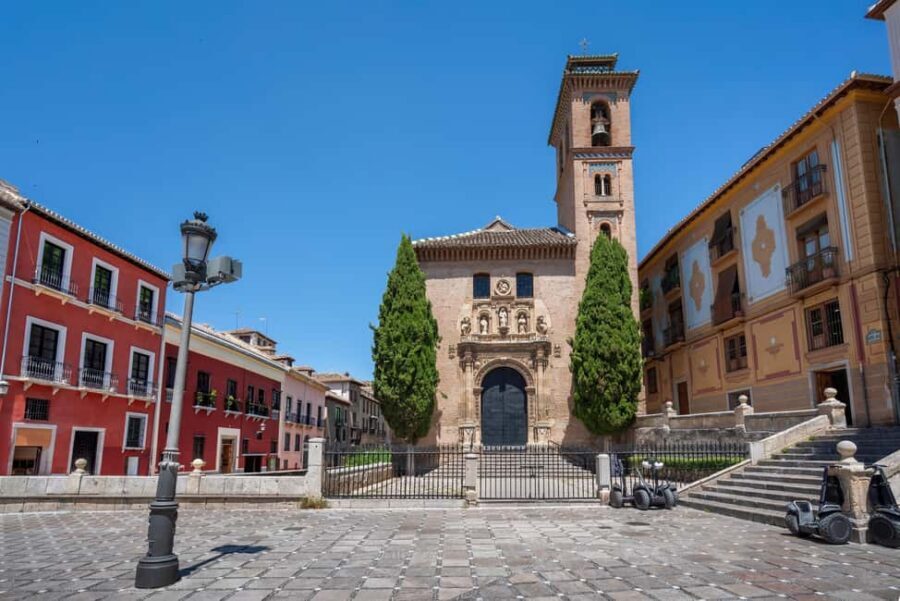
You meet in the Plaza Santa Ana, in front of the church. The key visual cue is the orange umbrella, so you won’t be guessing for long.
From there, the walk heads toward the historic center’s rhythm—then straight into Albaicín, the UNESCO-recognized Muslim quarter (listed in 1984). Even if you’ve visited Granada before, starting with a guide matters here because the neighborhoods can look similar until someone explains what each area used to represent.
Bring:
- Comfortable walking shoes
- Water, especially in warmer months
- A light layer if evenings cool down (Sacromonte cave areas can feel cooler)
Leave behind:
- Baby strollers or baby carriages (not allowed)
- Any expectations of “easy mode” walking (this tour isn’t set up for mobility needs)
Albaicín: the UNESCO Muslim quarter you can actually feel
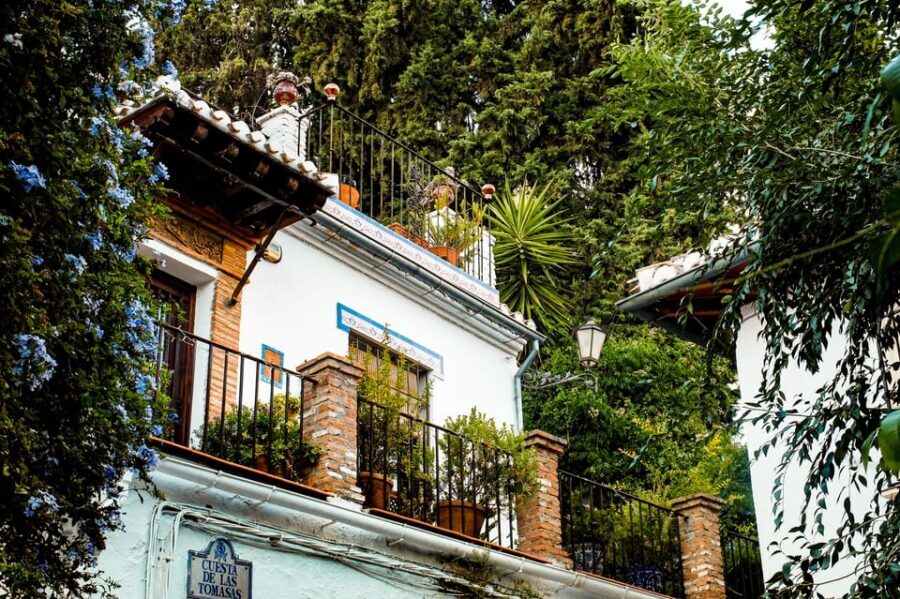
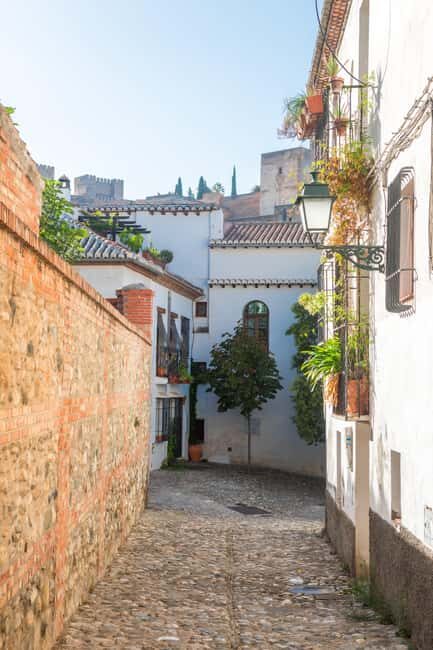
Albaicín isn’t just a viewpoint neighborhood. It’s a place where the street pattern, architecture, and local lore still guide how you move. With a guide, the area stops being a maze of white buildings and becomes a map of Granada’s past.
You’ll learn the neighborhood’s background as the former Muslim quarter and why it earned UNESCO World Heritage status. The guide also connects stories to specific stops, so you’re not just hearing dates. You’re learning how people lived and how Granada’s cultural layers formed.
Dar Al-Horra Palace: 14th-century Granada in one stop
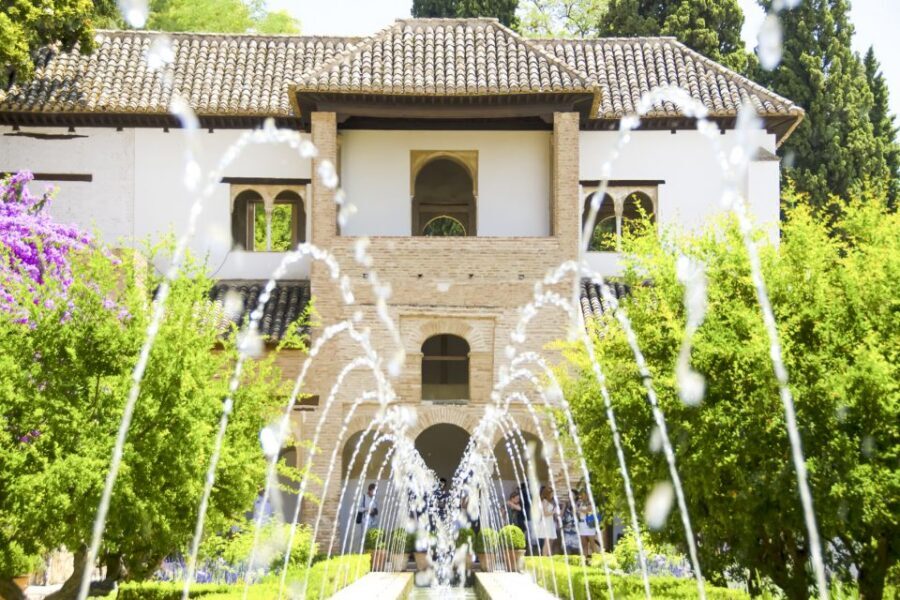
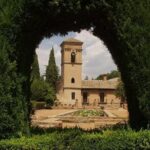
One of the standout landmarks on this walk is Dar Al-Horra, an older Arabic palace dating to the 14th century. This is the kind of stop that benefits from a guide’s explanation because you’re seeing architectural details without a user manual.
What you’ll get from this stop isn’t a textbook lecture. It’s perspective: why this palace mattered, how it fits into the neighborhood, and how the story of power and culture shows up in the built environment.
If you like places that connect legend and stone, this is one of the better moments of the tour.
Mirador de San Nicolás: Alhambra views without turning into a statue
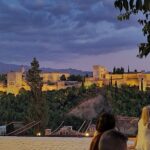
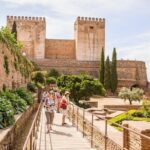
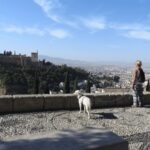
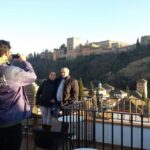
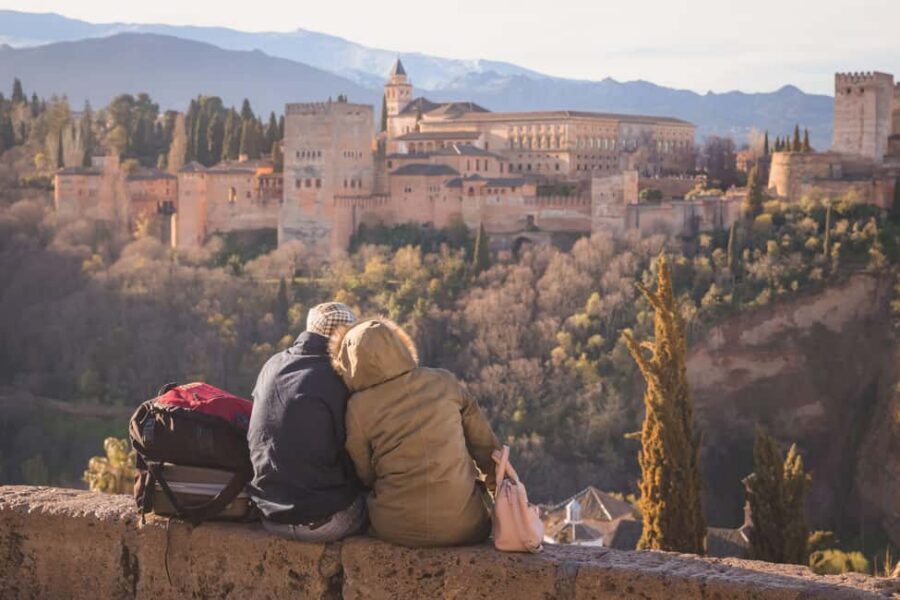
After walking through Albaicín’s lanes, you reach Mirador de San Nicolás, where you get major views over the Alhambra. This is the moment people come for, and it lands well because it’s not just a quick glance. The guide frames what you’re looking at, so the Alhambra doesn’t feel random from below.
I especially like that the tour is designed to help you see these angles away from the worst crowd pressure. You’re still in a popular area, but you’re experiencing it with context and timing rather than arriving alone and guessing when to look.
Bring a camera, but also take 30 seconds to look without it. The best view is the one you understand, not just the one you photograph.
You can also read our reviews of more guided tours in Granada


Paseo de los Tristes: where stories follow the route
From Albaicín’s viewpoint world, the tour continues along the path connected with Paseo de los Tristes. You’ll hear about how funeral carriages used to travel along this route, and why that history became part of Granada’s local memory.
This is one of those moments where a guide makes a small street detail feel meaningful. Even if you’ve never heard the story before, you start to notice how routes were used for more than travel—they were part of social and ceremonial life.
If you like walking tours that treat streets as “text,” this segment is a good match.
Sacromonte: caves, community history, and a different Granada pace
Once the tour shifts from Albaicín to Sacromonte, the mood changes. The area is known for its caves, and it’s not just a visual gimmick. After the Castilian conquest, cave settlements became a way for minority groups to build community life into the mountain.
This context matters because it changes how you interpret what you see. Instead of thinking, here are some cave homes, you think, here is a survival-and-community pattern shaped by history.
What it feels like on the ground
Sacromonte can feel more “alive” in its culture than its architecture. You’re still walking through streets, but the cave setting gives the tour a more grounded sense of place. It also adds to the walking effort—another reason to take the route seriously in terms of footwear.
If you’re someone who gets curious about how culture and architecture influence each other, you’ll find this part satisfying.
Flamenco in Sacromonte: why the music has a home here
Flamenco in Granada isn’t a museum subject. On this tour, it gets explained as part of the neighborhood’s identity—especially how Sacromonte’s community history links to the music.
You’ll learn the history of flamenco in Granada, and you’ll get a sense of why the cave setting matters culturally. The guide isn’t just naming famous artists. They help you understand what audiences, families, and performance traditions have in common across time.
Enrique Morente’s home stop
One specific highlight is a visit connected to Enrique Morente’s home, one of Granada’s most influential flamenco singers. This is the kind of stop that works best when you treat it like a cue: a way to connect a name you’ve heard with the place that shaped the atmosphere around the music.
I like that this doesn’t turn into a “celebrity detour.” It’s used to anchor the flamenco discussion in a real location within the neighborhood.
The guide can make or break it (and the reviews back that up)
The strongest pattern in the tour’s appeal is guide quality. People consistently rate the explanations, the pacing, and the sense of humor—plus their ability to keep the walk engaging.
You’ll see different guide styles reflected in the feedback. For example:
- Julio is praised for being clear, rich in varied anecdotes, and using irony to keep things enjoyable.
- Luis gets noted for making the tour pleasant and entertaining while still keeping the information meaningful.
- Cynthia stands out in feedback for tailoring the experience, including showing less-traveled parts of Sacromonte and keeping a solo tour lively.
- Abel is credited with clear explanations and standout Albaicín and Sacromonte guidance.
Even if you don’t know the guide’s name in advance, this is a good sign: the tour isn’t just “walk and look.” It’s instruction plus storytelling, delivered in Spanish and English.
Price and value: why $17 can feel like a bargain
At $17 per person for about 2 hours, this walk is priced like a local-feeling experience, not a “spectacle package.” That matters because the value is in what you’re getting:
- A guided walk through two UNESCO neighborhoods
- Landmark context in Albaicín (including Dar Al-Horra)
- Scenic framing at Mirador de San Nicolás
- Cave-neighborhood history in Sacromonte
- Flamenco context with a stop connected to Enrique Morente
- A complimentary glass of wine (a typical Granada touch)
What’s not included: entrance tickets to monuments. So if you’re planning on paying for sites on top of the walk, factor that into your budget.
Still, for most people, the included guide narration and the effort-reducing route planning are the real value. You save time figuring out what matters and where to stand for the best views.
Who should book this walking tour
This is a great match if you:
- Want UNESCO neighborhoods without spending your day inside ticket lines
- Like history tied to streets and buildings, not just dates
- Care about flamenco beyond listening—you’re curious about why it developed where it did
- Enjoy views, especially those that come with explanation
It’s not ideal if you:
- Need stroller access (strollers are not allowed)
- Have mobility limitations (the tour is not suitable)
- Prefer flat, low-stair routes
Final call: should you book it?
Yes—if you want Granada to make sense quickly, with Alhambra views and Sacromonte flamenco context, this tour is a strong choice. The price is reasonable, and the main “cost” is effort: plan for hills, steps, and a proper walking shoe.
If your top priority is pure relaxation, choose a less hilly activity. But if you want an efficient, story-driven way to experience Albaicín and Sacromonte, this one is worth your time.
FAQ
What is the duration of the Granada Albaicín and Sacromonte guided walking tour?
The tour lasts about 2 hours.
Where is the meeting point for the tour?
You meet at Plaza Santa Ana, in front of the church. Look for the orange umbrella.
How much does the tour cost?
The price is $17 per person.
What neighborhoods does the tour cover?
The tour covers Albaicín and Sacromonte, both UNESCO World Heritage-listed areas.
What kinds of views will I see?
You’ll get panoramic views over the Alhambra, including time at Mirador de San Nicolás.
Does the tour include flamenco culture?
Yes. You’ll learn about flamenco history in Granada and visit a stop connected to Enrique Morente’s home in Sacromonte.
Is a guided tour included?
Yes. The activity includes a live guided tour.
Is wine included?
Yes. All group members are treated to a glass of wine.
Are monument entrance tickets included?
No. Entrance tickets to the monuments are not included.
Is the tour suitable for people with mobility impairments or strollers?
No. Baby strollers or baby carriages are not allowed, and the tour is not suitable for people with mobility impairments.