REVIEW · ALBAICIN & SACROMONTE TOURS
Granada : Albayzin and Sacromonte Walking Tour
Book on GetYourGuide →Operated by Guydeez Tours · Bookable on GetYourGuide
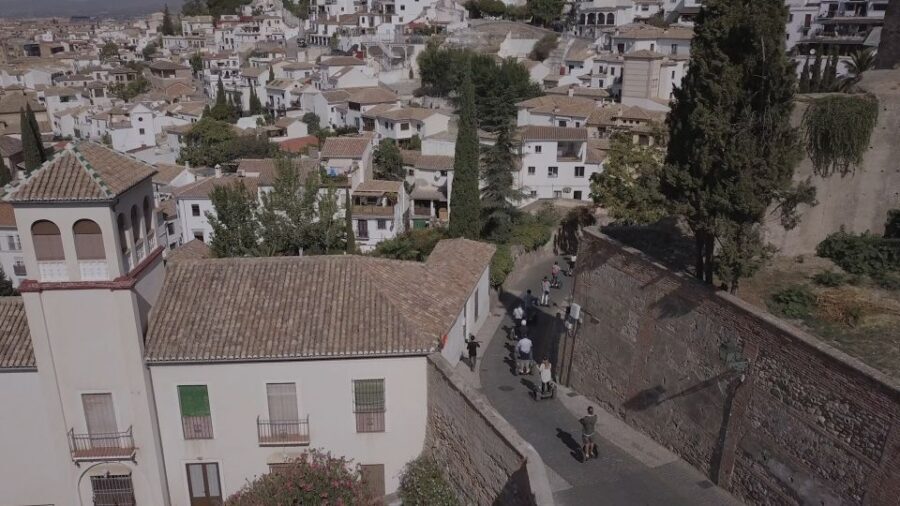
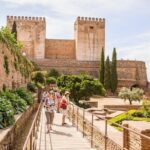
Granada feels like two cities at once. This private Albaicín and Sacromonte walking tour puts you where the old Moorish neighborhoods meet the cave-dwelling flamenco world, with great viewpoints along the way. I especially like the way the streets of the Albaicín are explained in human terms—who lived there, how it evolved, and why it still looks and feels different. You also get hands-on time in the Sacromonte hills, where flamenco culture isn’t just a poster on a wall.
I also really like that this is private and customizable, so your guide can adjust the route to your comfort level. One guide approach can include taking a public transport segment up in Sacromonte and then walking down, which matters when you don’t want your knees bargaining for a refund. A possible drawback: it’s still a walking tour, so plan for uneven pavement and slopes, and know that drink or food isn’t included.
In This Review
- Key Things I’d Focus On
- Starting Point on Calle Gran Vía de Colón: Easy to Find, Easy to Begin
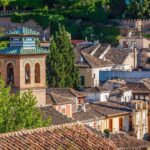
- Albaicín at Paseo de los Tristes: Where Views and Moorish Shadows Meet
- Sacromonte: Cave Dwellings and Flamenco Venues with Real Street-Level Meaning
- Plaza de San Nicolás: The View Stop That Actually Teaches You What to Look For
- Mirador de Los Carvajales: Sierra Nevada Backdrop and a Slower Pace
- Why This Tour Works as a 2-Hour Experience (Even If You’re Short on Time)
- Private and Customizable: The Real Value Is Control of Your Comfort
- Price and Value: What $71 Really Buys You in Granada
- Practical Tips That Make or Break the Walk
- Who This Tour Suits Best
- Should You Book This Granada Albayzín and Sacromonte Walk?
- FAQ
- How long is the Granada Albayzín and Sacromonte walking tour?
- Is this tour private?
- What languages is the live guide available in?
- Where does the tour start?
- Is food or drink included?
- Is the tour wheelchair accessible?
Key Things I’d Focus On
- A one-on-one route: you’re the only group, so pacing and stop order can work for you
- Albaicín storytelling: Arabic-era origins and how the neighborhood shaped Granada
- Sacromonte culture in context: cave dwellings and flamenco venues you’ll understand better
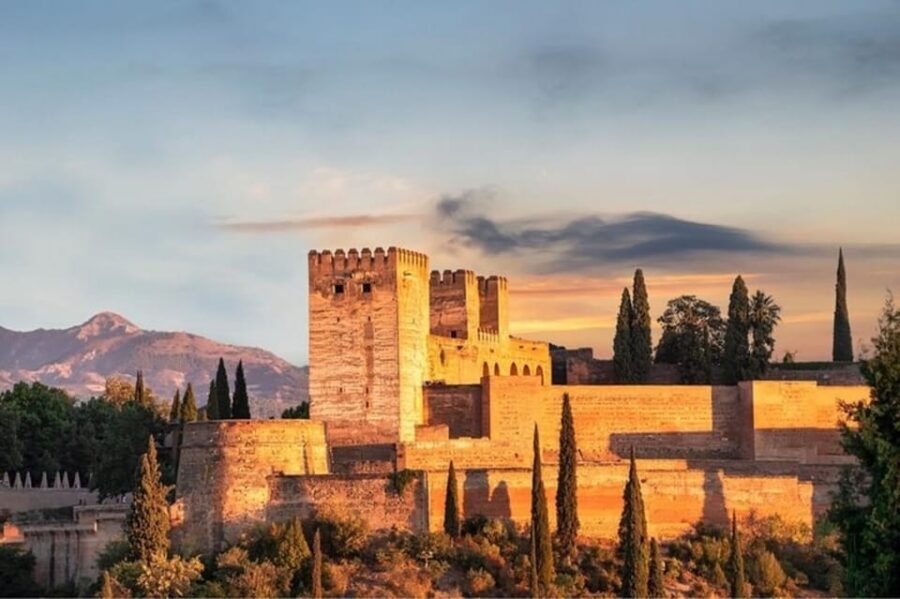
- Viewpoints built into the walk: Alhambra and Sierra Nevada views at the miradors
- Guide time includes extras: advice on other things to do and help booking tickets
Starting Point on Calle Gran Vía de Colón: Easy to Find, Easy to Begin
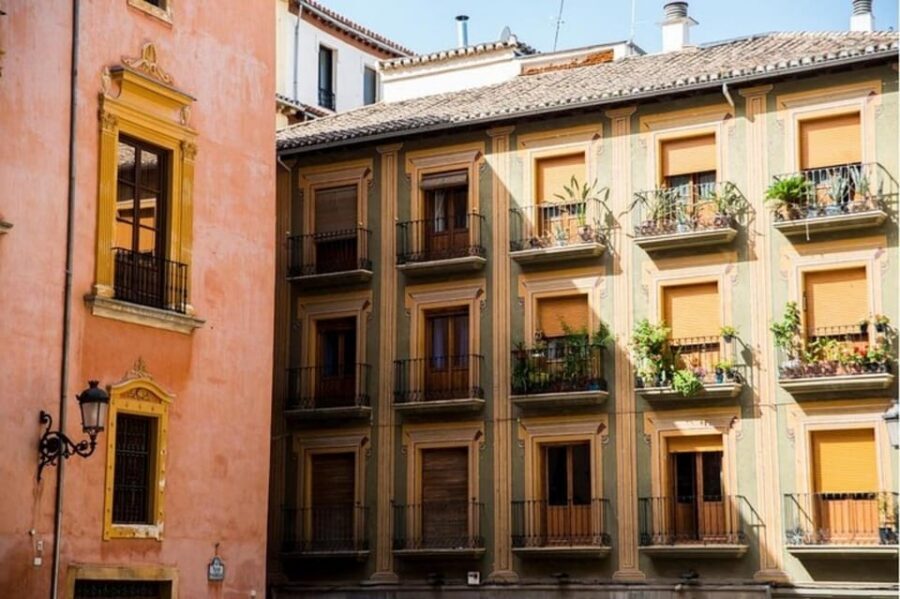
You meet at Calle Gran Vía de Colón, 1 in the Centro area, a central address that makes the start feel straightforward. If you’re also planning to explore major sights later, this location is handy because it keeps you in the heart of Granada rather than on the edge of town.
This matters more than it sounds. A tour that begins centrally usually means less stress before you even start walking, and more time for the actual neighborhood experience.
You can also read our reviews of more walking tours in Granada

Albaicín at Paseo de los Tristes: Where Views and Moorish Shadows Meet
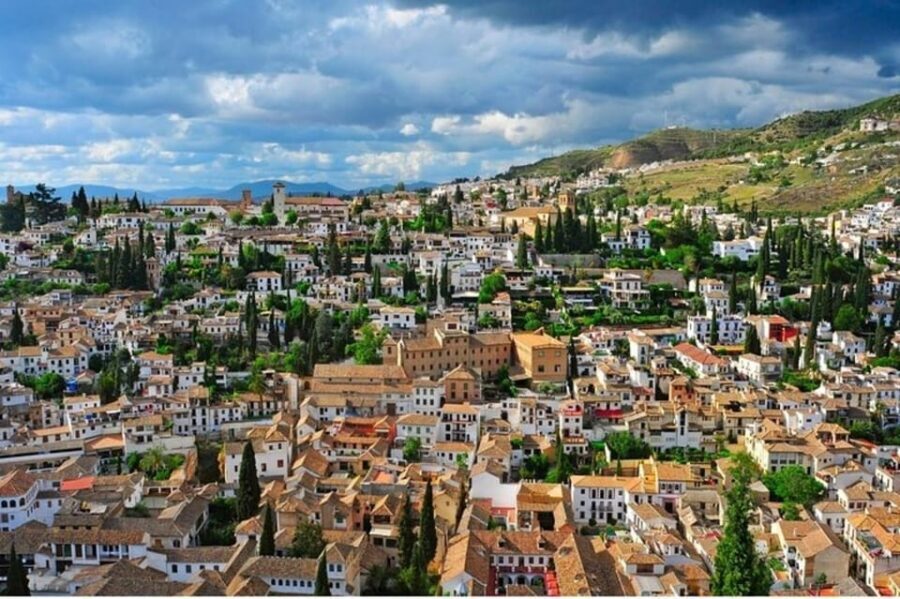
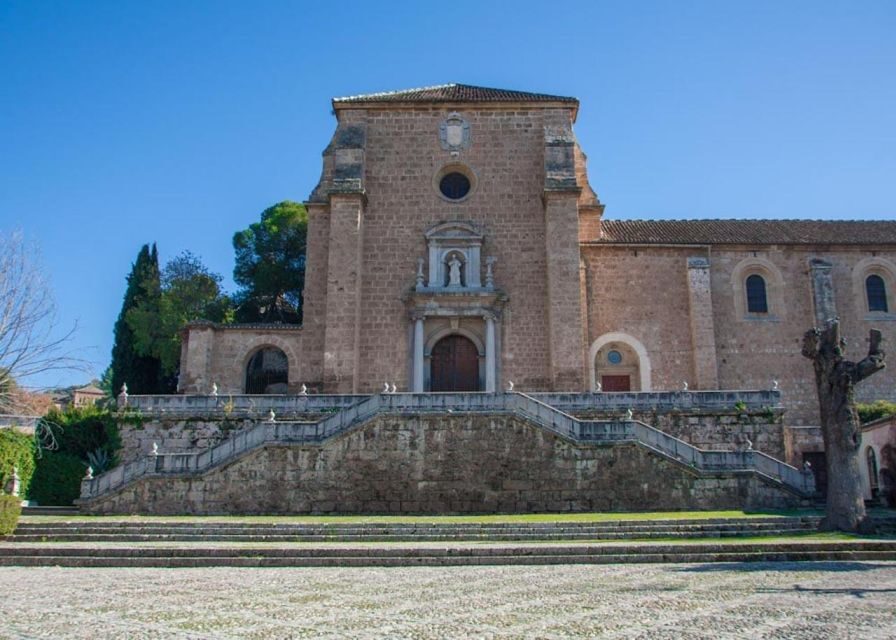
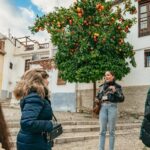
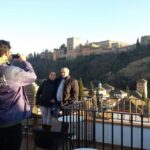
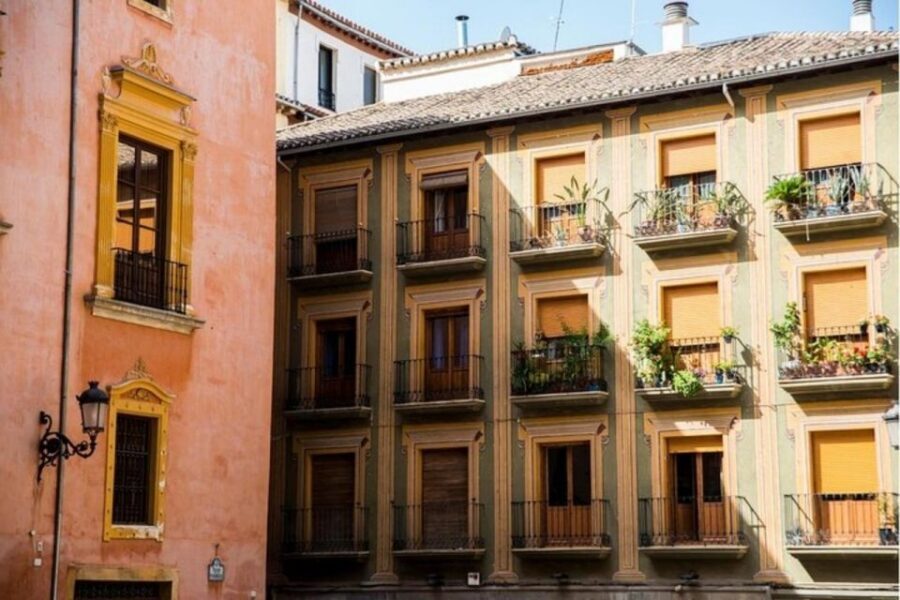
Your first stop is the Paseo de los Tristes, with a photo stop plus guided walking and sightseeing time. This viewpoint area is a classic reason people come to the Albaicín, but what makes it useful on a guided tour is how quickly you learn how to “read” what you’re seeing—why this neighborhood sits the way it does, and how the city’s layers fit together.
I like starting here because you get early context. When your guide explains the neighborhood’s Arabic history and its long-standing role as Granada’s Moorish stronghold, you start recognizing details in the street layout and architecture instead of just taking scenic pictures.
The only real consideration: viewpoints can mean wind and changing light. If you’re photographing, bring a jacket and plan for fast shifting shadows as the day moves on.
Sacromonte: Cave Dwellings and Flamenco Venues with Real Street-Level Meaning
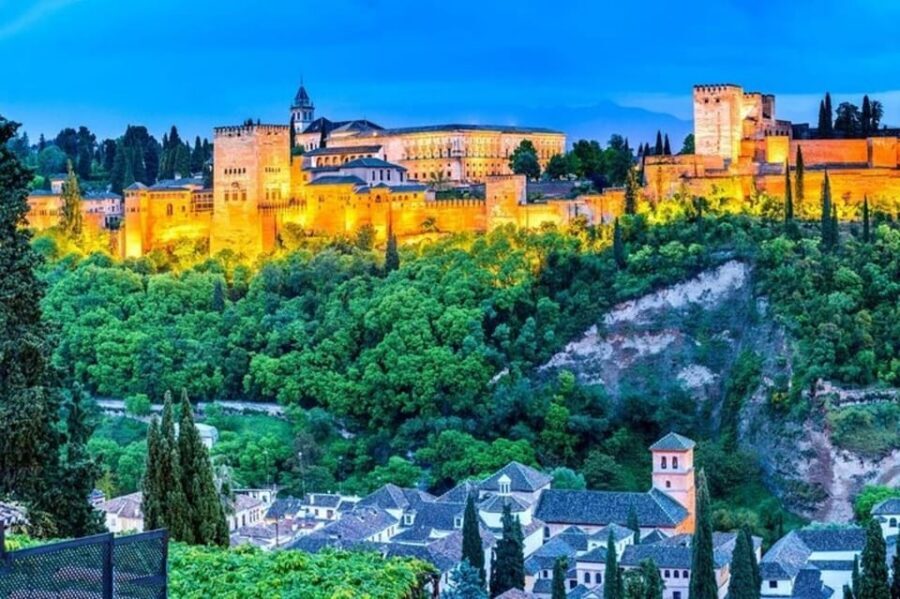
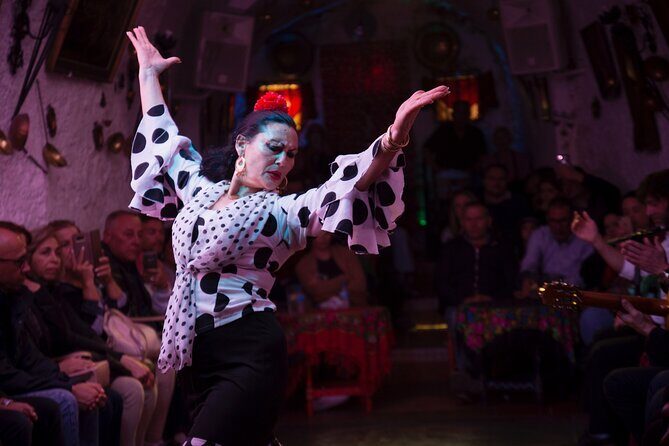
Next you head toward Sacromonte, again with time for photos and guided sightseeing. Sacromonte is known for cave dwellings and for flamenco culture—especially the intimate tablaos tucked into the hillside setting. On this tour, the point isn’t just to say, yes, flamenco exists here. The point is to understand how the neighborhood’s physical layout shapes the music and the sense of community.
One of the best practical aspects is route flexibility. The tour is designed for customization, and that can include using public transport up the hill in Sacromonte so you walk down instead of grinding uphill the whole time. That’s a real quality-of-life upgrade in a neighborhood where the streets can feel like they’re climbing toward the sky.
If you’re a flamenco fan, this is also a better way to prepare. Even if your evening plans include a performance later, you’ll arrive with clearer context about what you’re looking for—rhythm, setting, and the neighborhood’s cultural identity—rather than feeling like you’re only seeing a show from the outside.
Plaza de San Nicolás: The View Stop That Actually Teaches You What to Look For
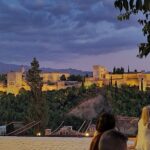
You then reach Plaza de San Nicolás, with guided sightseeing and time for a photo stop. This is a major viewpoint for a reason, and your guide’s job is to help you make it more than a photo op.
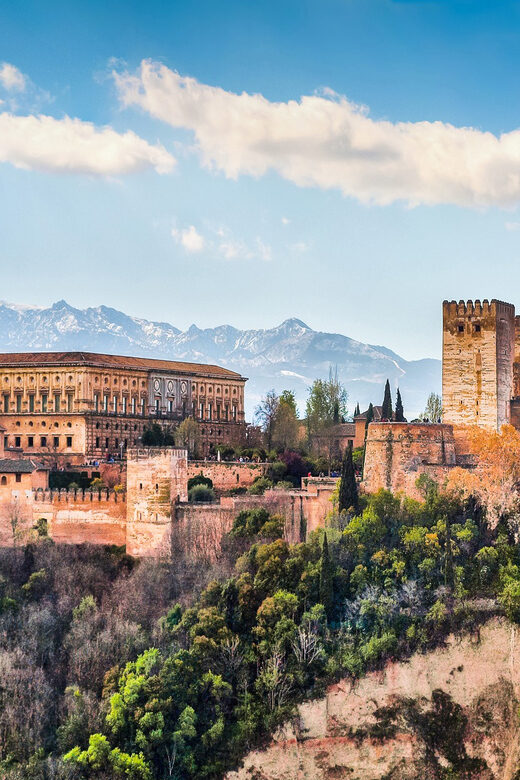
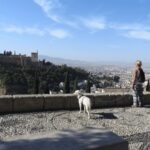
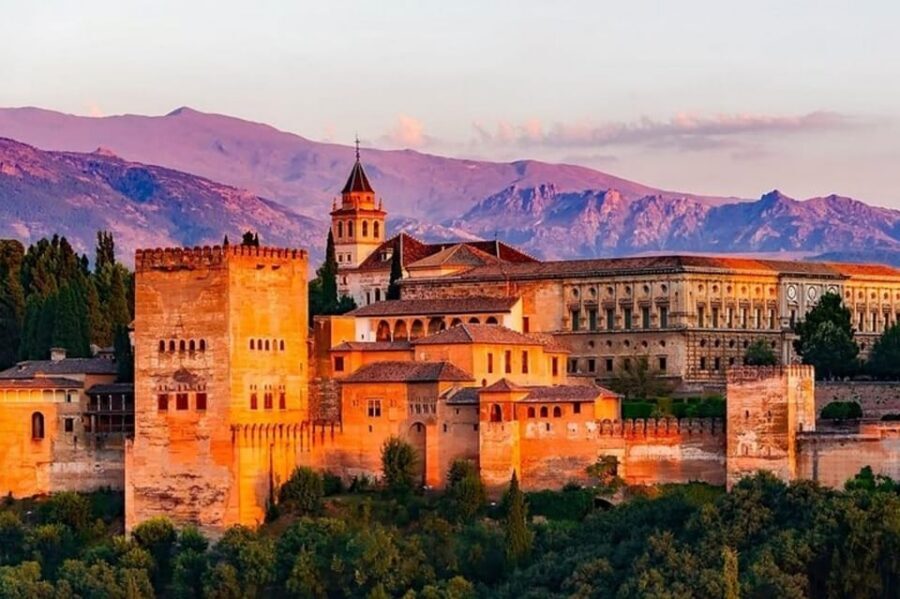
When someone explains what you’re seeing—how the Alhambra relates to the surrounding neighborhoods, and why this sightline lands where it does—it turns a pretty view into a “now I get it” moment. You’re not just watching the scenery; you’re learning how Granada’s geography drives its atmosphere.
Drawback to keep in mind: if you’re traveling during busy periods, viewpoint crowds can build up quickly. Going with a guide helps because you’re less likely to get stuck standing in the wrong spot at the wrong time.
Mirador de Los Carvajales: Sierra Nevada Backdrop and a Slower Pace
Your later stop is the Mirador de Los Carvajales, again with photo time and guided walking. This is where the tour starts to feel like a complete Granada picture: you’re not only looking at the Alhambra, but also getting a sense of the mountain setting—Sierra Nevada in the background—which helps explain why the city’s air and light feel so different from flatter places.
I like ending up at a mirador where the guide can show you multiple layers of the view. It turns “a nice panorama” into an orientation tool, so after the tour you can mentally map Granada and find your bearings faster.
Practical note: miradors can be exposed. Bring layers and wear shoes you trust on uneven surfaces.




Why This Tour Works as a 2-Hour Experience (Even If You’re Short on Time)
This whole experience runs about 2 hours, which is a sweet spot. Long enough to cover multiple neighborhoods and viewpoints, short enough that you don’t spend your day moving from place to place.
The guided timing also matters because your time at each stop is purposeful: photo moments, walking, and explanation. It’s not a “stand and lecture” format, and it’s not just “walk until we arrive.” You get a guided pace that keeps the story tied to what you can see right now.
If you’re also planning other Granada highlights the same day, this tour is a strong add-on. It gives you cultural and geographic context that makes later sights feel less like separate monuments and more like parts of the same city.
Private and Customizable: The Real Value Is Control of Your Comfort
A big part of why I’d book a private walking tour here is the ability to adjust. The tour is exclusive—there won’t be anyone else in your group—so your guide can shape the route to your pace and your comfort level.
That customization isn’t just a nice perk; it changes what the walk feels like. If you’re dealing with mobility limits, stamina, or simply don’t want to fight steep streets, the guide can plan walking vs. public transport segments to keep you moving without turning it into a workout you didn’t sign up for.
This matters even more in neighborhoods like Albaicín and Sacromonte, where the terrain can be charming but also unforgiving. You’ll enjoy the viewpoints more when you aren’t already exhausted from the route.
Price and Value: What $71 Really Buys You in Granada
At $71 per person for a private 2-hour tour, you’re paying for time with a guide who knows how to connect the neighborhoods to the broader story of Granada. You’re not just buying movement and photos—you’re buying interpretation and a personal pacing strategy.
What helps justify the cost:
- Private format (no shared group, no waiting for others)
- Customization (route can be adjusted to how you feel)
- Local familiarity that turns the streets into a coherent experience
- A guide who can offer advice about other things to do in the city
Also, the tour includes walking and public transport depending on the option you choose. That’s a practical value piece: it can help you cover more in fewer hours without burning energy where you don’t need to.
One thing to remember: food and drinks aren’t included, so you’ll want to plan a meal before or after.
Practical Tips That Make or Break the Walk
This tour is a walking experience through older neighborhoods and viewpoints, so comfort choices really matter.
- Wear shoes with good grip. Old streets and slopes don’t care about your fashion sense.
- Bring a light layer. Views can be breezy, and weather shifts happen in Granada.
- Plan hydration. Since drink isn’t included, have water before you start.
- Come with some intention. If you care about flamenco, tell your guide early so they can steer the story toward what you’ll notice later.
If you also want to visit sites during your day, the guide and team can help book tickets for desired visits. That’s useful when you’re trying to line up your Granada day without losing time.
Who This Tour Suits Best
This tour is a great match if you want:
- A guided way to understand Albaicín’s Arabic heritage and its Moorish-era role
- Real-world context for Sacromonte’s cave culture and flamenco setting
- A calm, tailored pace instead of a rushed group schedule
- Viewpoints that help you orient yourself in the city
You might consider another option if you don’t like walking on uneven pavement or if you have very limited mobility and want a mostly seated experience. Even with wheelchair accessibility, this is still designed as a walking tour through neighborhood streets and miradors.
Should You Book This Granada Albayzín and Sacromonte Walk?
I’d book it if you want your Granada day to feel connected rather than checklist-driven. The private format plus route customization is a strong combination, and the viewpoints at places like Plaza de San Nicolás and Mirador de Los Carvajales give you the kind of perspective that helps the rest of your trip make sense.
If you’re the kind of traveler who likes explanations while you’re standing where something happened—Albaicín’s street stories and Sacromonte’s cave-and-flamenco atmosphere—this tour is built for you. Just be honest about your walking comfort, and plan for no included food or drink.
FAQ
How long is the Granada Albayzín and Sacromonte walking tour?
It lasts about 2 hours.
Is this tour private?
Yes. It’s a private group and you won’t have anyone else in your group.
What languages is the live guide available in?
The live guide is available in English, French, Italian, and Spanish.
Where does the tour start?
The meeting point is Calle Gran Vía de Colón, 1, Centro, 18001 Granada, Spain.
Is food or drink included?
No. Drink or food is not included.
Is the tour wheelchair accessible?
Yes, the tour is listed as wheelchair accessible.