REVIEW · ALBAICIN & SACROMONTE TOURS
Granada: Albayzin and Sacromonte Walking Tour
Book on GetYourGuide →Operated by Granada a Pie · Bookable on GetYourGuide
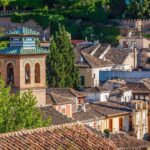
Granada’s hills turn history into a walk. I like how the Albayzín streets feel like an open-air museum, then you get hit with big Alhambra views as you climb. It’s a guided 2-hour loop that ties the city’s Islamic past to what you see right in front of you.
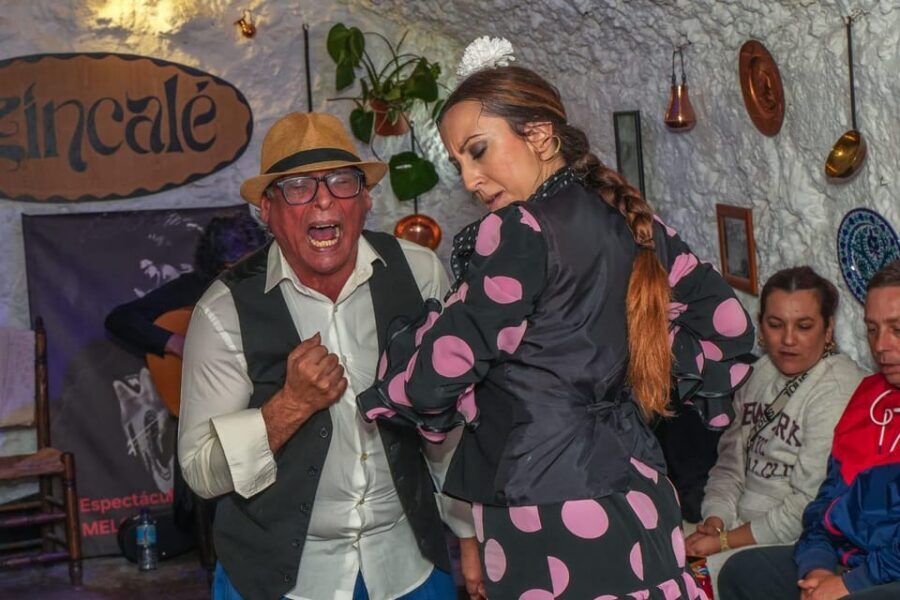
I also love the stop in Sacromonte, where traditional cave dwellings are still part of the neighborhood’s daily life. The guide connects this place to flamenco’s origins, so it’s more than scenery—it’s culture with context. Guides like Lourdes, Irene, and Jamie are repeatedly praised for bringing the area to life.
Here’s the catch: this tour is uphill with lots of stairs. Wear comfortable shoes, because smooth rock surfaces can be slippery and the walking can feel like a workout.
In This Review
- Key takeaways before you go
- Why Albayzín and Sacromonte click in one tour
- Plaza Nueva start: the 11th-century story that makes the neighborhoods make sense
- Albayzín on foot: narrow streets, architecture cues, and quick wayfinding
- The Alhambra viewpoints: seeing the palace as a backdrop, not a distant postcard
- Sacromonte caves: traditional cave dwellings and the culture of the neighborhood
- Flamenco origins: how to listen to the story, not just the sound
- Pace and physical reality: uphill, stairs, and slippery rock surfaces
- Price and value: why $16 can feel like a bargain here
- Who this tour is best for (and who should think twice)
- Should you book the Albayzín and Sacromonte walking tour?
- FAQ
- How long is the Granada Albayzín and Sacromonte walking tour?
- Where does the tour start?
- How much does the tour cost?
- What languages are available for the live guide?
- Do I need to speak Spanish to enjoy the tour?
- What should I wear for this tour?
- Is free cancellation available?
Key takeaways before you go
- Albayzín labyrinth streets: you’ll understand the layout fast with a guide, not guess your way
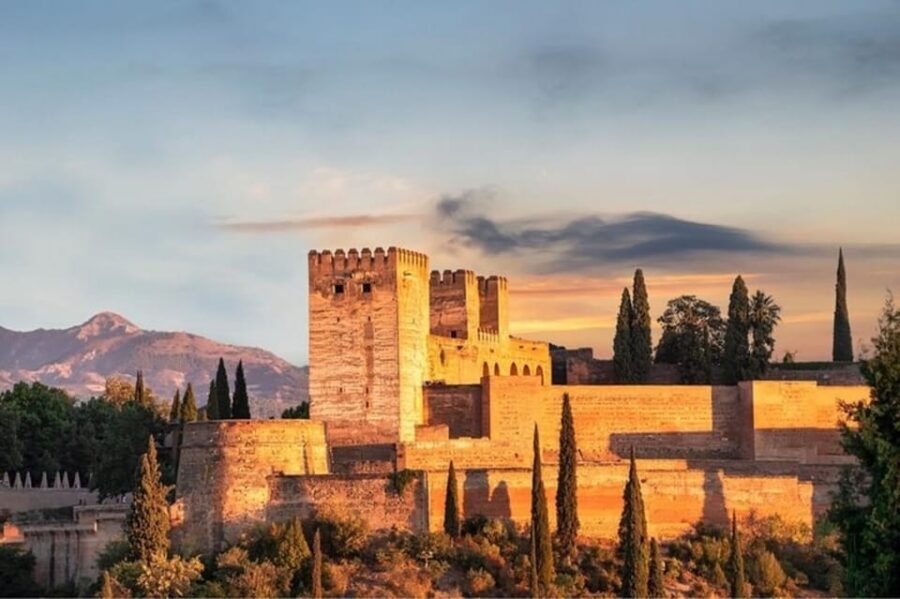
- Best-view style stops for the Alhambra: you see the palace from angles you can’t get from just anywhere
- Sacromonte cave dwellings: you’re looking at how people live, not just old ruins
- Flamenco origins explained: the guide links the music to the neighborhood’s roots
- Live guide in English or Spanish: the tour is built for real conversation, not just a headset
- Good value at $16 for 2 hours: guide + taxes included, and you’re covering two major areas
Why Albayzín and Sacromonte click in one tour
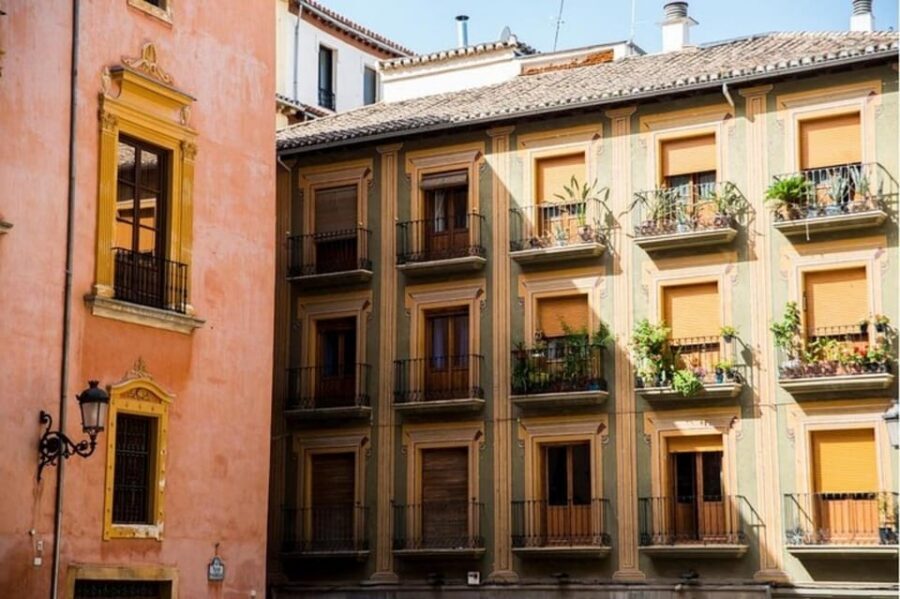
Granada has a way of making you walk off the map and still feel oriented. That’s exactly what happens on this tour: you start in the Islamic quarter (Albayzín) and finish in Sacromonte, known for its cave neighborhood. The big win is the contrast. You go from tight, winding streets and Spanish-Muslim architecture to hillside caves and a different kind of cultural identity.
You also get a story you can carry with you the rest of the day. Albayzín helps you see Granada as a city shaped by centuries of art and architecture since the 11th century. Sacromonte helps you see how traditions live on—especially through music like flamenco, whose origins the guide explains in connection with the area.
It’s a smart pairing because the geography reinforces the history. You climb, you look outward at the Alhambra, then you shift to a neighborhood where the caves and the hillside environment matter. That kind of sequencing is hard to do on your own unless you already know where to pause.
You can also read our reviews of more walking tours in Granada

Plaza Nueva start: the 11th-century story that makes the neighborhoods make sense
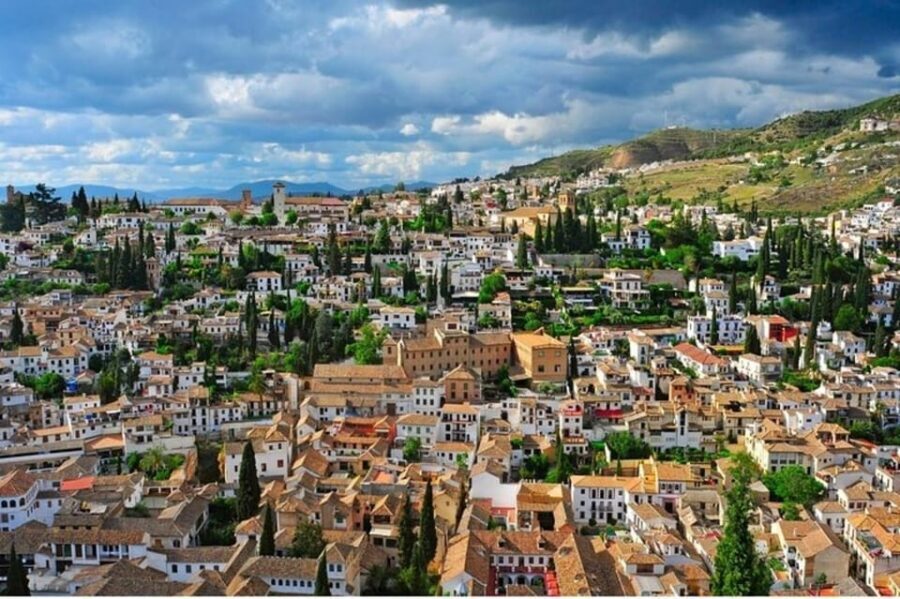
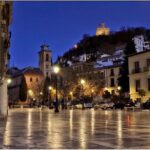
Most days, the meeting point is in the central area around Plaza Nueva. From there, the guide sets the scene and gives you the baseline: Granada’s role as an art-and-architecture center going back to the 11th century. You’ll hear how the city’s identity is layered, and that helps you stop treating what you see as random sights.
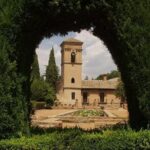
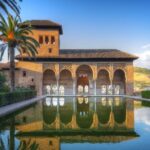
Think of this first stretch as orientation. Before you’re deep in narrow lanes, you learn what to look for: Spanish-Muslim architecture details, the feel of the Islamic quarter, and why Albayzín is often where people first try to understand Granada’s old character. You’re not just walking uphill. You’re building a mental picture you can test at viewpoints and street corners.
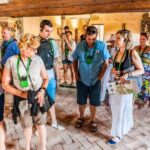
This is also where a guide’s style matters. In this tour, you may hear from different guides depending on the group. Names like Lourdes and Irene come up often, and the common thread is an energetic, story-driven approach that keeps you moving without turning it into a lecture.
Albayzín on foot: narrow streets, architecture cues, and quick wayfinding
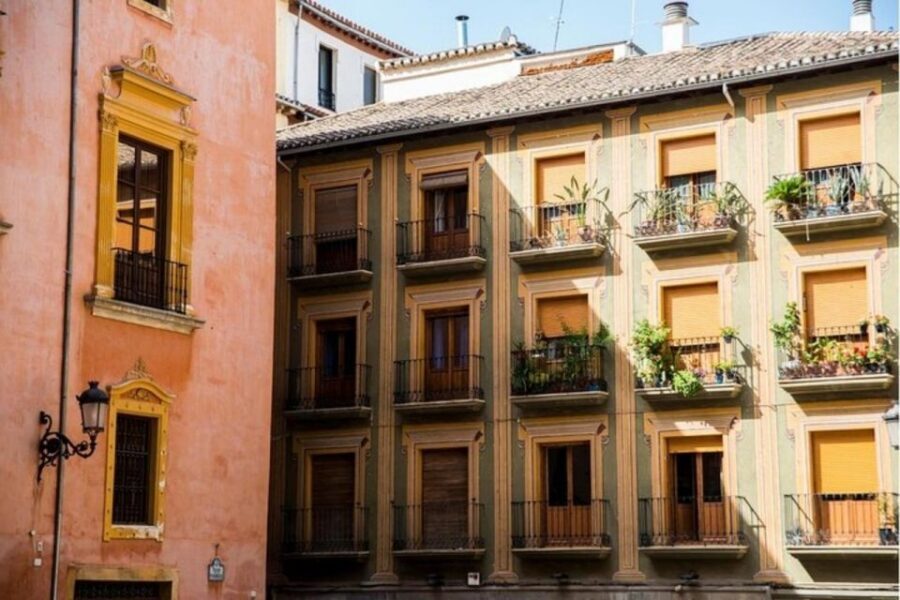
Once you’re in Albayzín, the whole neighborhood feels designed to slow you down. The streets are narrow, and the place is a maze in the best way. I love this part because you can’t do it casually. You have to pay attention—where the street bends, what buildings look like up close, and how the neighborhood rises toward the viewpoints.
This is where the tour earns its keep. Without a guide, it’s easy to wander in circles and only catch a few good photos. With a guide, you’re moving between the kind of spots that make Albayzín feel special: the Spanish-Muslim architecture, the layout of the Islamic quarter, and that sense of Granada’s past still shaping the present.
A practical note: the Albayzín sections can include stairs and uphill walking, so you’ll want to keep your pace steady. One tip that showed up in real feedback is to use shoes with grip on the surfaces you’ll step on. Even if the day feels sunny and easy at street level, the walking changes as you climb.
If you’re doing this as a first activity on your visit, this section is ideal. You’ll get a foundation for what to notice later when you’re looking at the city from other angles.
The Alhambra viewpoints: seeing the palace as a backdrop, not a distant postcard
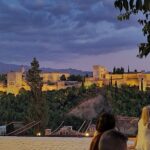
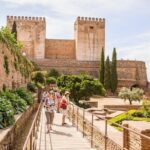
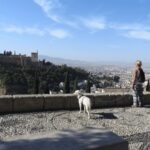
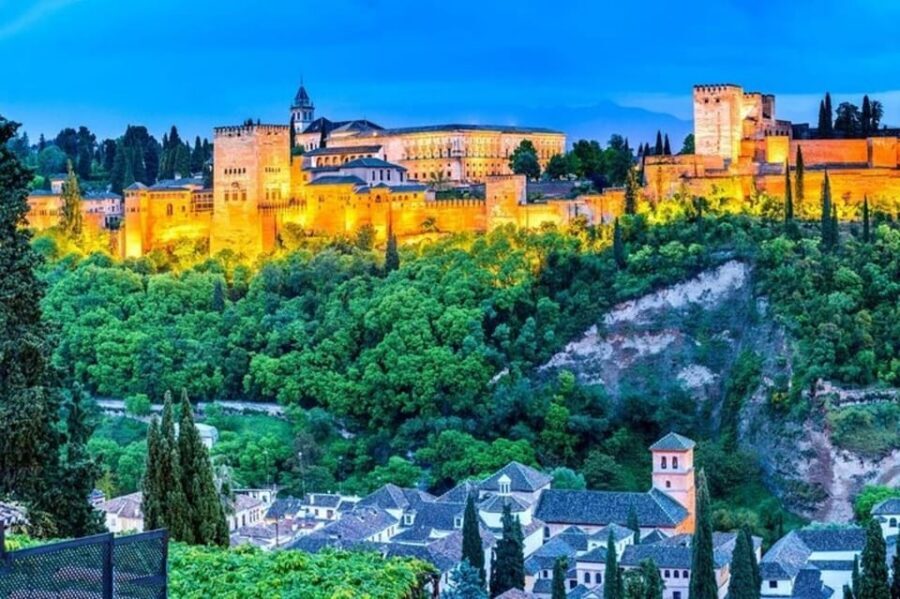
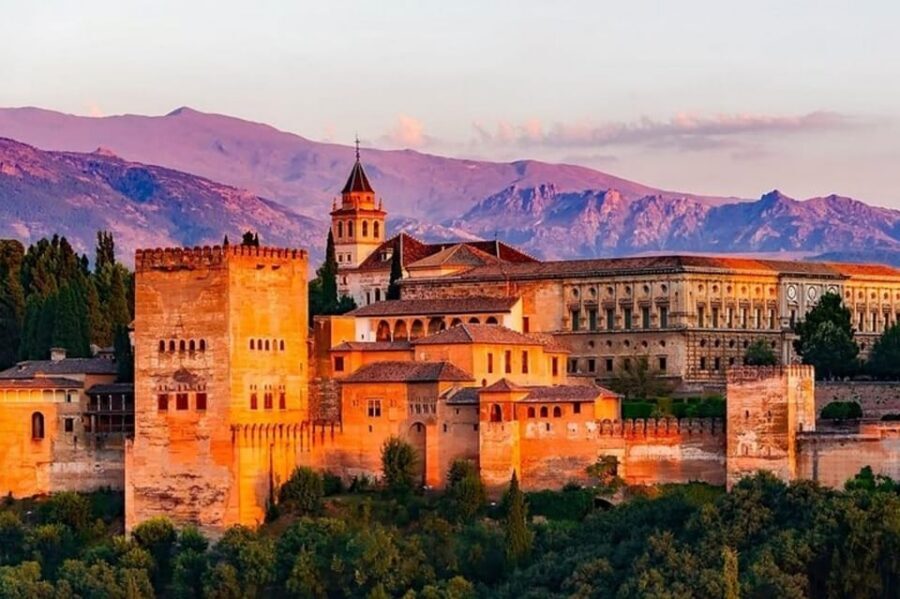
This tour is built around Alhambra viewpoints. You’re not just passing by the palace from far away. You’re getting perspectives as you walk—meaning you see how the Alhambra sits within the broader city, not floating in isolation.
I like these stops because they create natural breaks. You walk, you climb, then you pause. That rhythm helps the neighborhood sink in. And the views are dramatic in a simple way: once you understand the hillside geometry, the Alhambra starts to make visual sense.
One strong theme from the experience is how many “wow” moments come during the walk itself, not only at the end. That matters if you don’t want a tour that feels like constant movement with no reward. Here, the view stops are part of the structure.
If you’re a photographer, plan on stopping often. Even if you’re not the type to take dozens of shots, you’ll want at least a few angles. The guide’s timing helps because you’re pausing where the views are strongest, not just wherever the group happens to stop.
Sacromonte caves: traditional cave dwellings and the culture of the neighborhood
After Albayzín, the tour shifts into Sacromonte—one of Granada’s most famous neighborhoods tied to cave life and flamenco culture. The tour focuses on the caves as traditional cave dwellings, and the key point is that people still live in caves there. That turns the area from “interesting architecture” into something more human: you’re witnessing a lived environment.
You’ll also notice how Sacromonte is described through the mix of art, nature, and heritage. I like this because it makes the neighborhood feel complete. You’re not only looking at structures. You’re looking at how the caves fit the hillside setting and how culture occupies the space.
The guide’s explanations are a big part of why this works. You’ll hear more about the origins of flamenco music, tied to this place’s cultural background. Even if you already know the basics of flamenco, the tour helps you connect the sound and the setting, so it feels less like generic entertainment and more like a tradition with roots.
A few guides are particularly praised for this kind of storytelling. Irene, Irene again in different years, and other names like Valery, Sabina, and Laura show up with one shared advantage: they keep the facts moving while you’re still walking, so you don’t lose momentum.



Flamenco origins: how to listen to the story, not just the sound
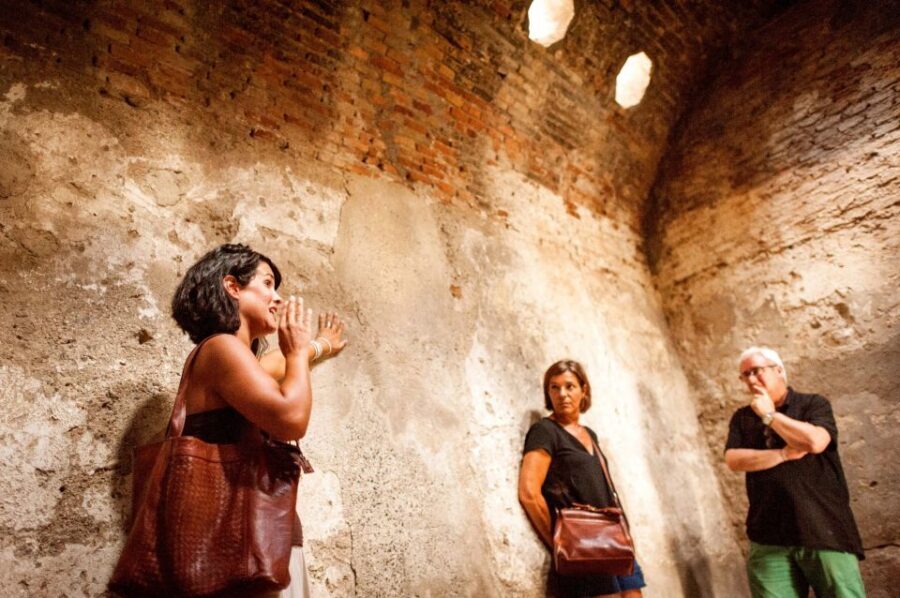
Flamenco can feel like it belongs in a theater. Sacromonte helps you understand it as something that grew out of community life. On this tour, the guide explains the origins of flamenco music in connection with the neighborhood you’re seeing.
I find that connection useful because it changes how you interpret what you’ll hear later. Instead of treating flamenco as just a performance you watch, you start thinking about why certain rhythms, styles, and emotional expression are linked to specific places and communities. The tour doesn’t ask you to memorize dates. It gives you a framework you can carry.
If you’re someone who loves music, this is the section that makes the walk feel worth it even if you’re not chasing every view. You get a cultural thread that ties Albayzín’s historical layer to Sacromonte’s living traditions.
Pace and physical reality: uphill, stairs, and slippery rock surfaces
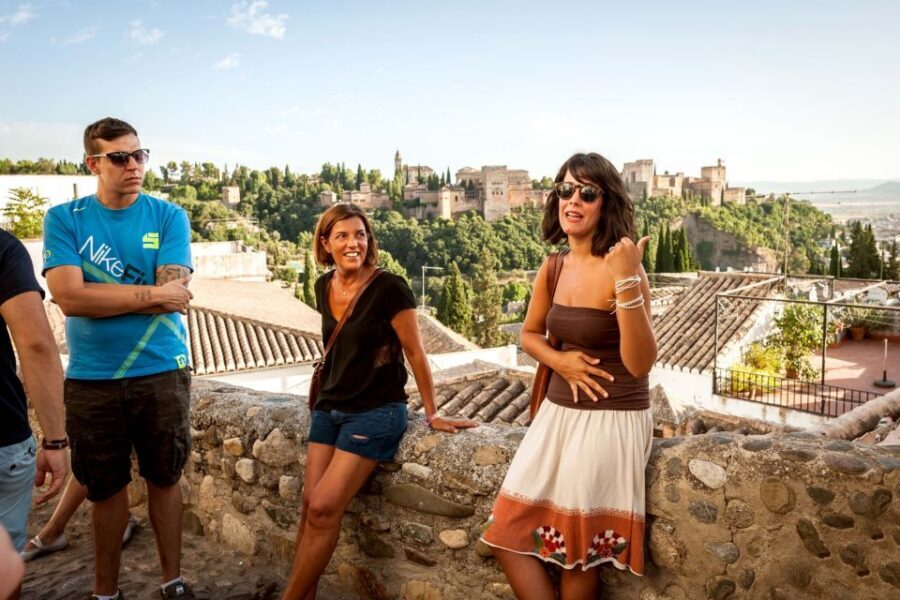
Let’s be honest: this is a walking tour with a hill problem. The tour includes steep sections and stairs in both neighborhoods, and the route can feel more like an active stroll than a flat city walk.
Multiple practical notes show up in feedback:
- Expect uphill climbing and stairs in Albayzín.
- Smooth rock surfaces can be slippery, so grip matters.
- You should wear comfortable shoes.
If you’re thinking about bringing a stroller or traveling with someone who tires quickly, plan ahead. Steep streets are part of the deal here, and the neighborhoods are not designed for easy rolling transport.
Best move: wear shoes you’d trust on uneven stone. If you’re unsure, test your footing before you commit to a big day in Granada. This tour is only 2 hours, but it packs a lot of elevation into that time.
Price and value: why $16 can feel like a bargain here
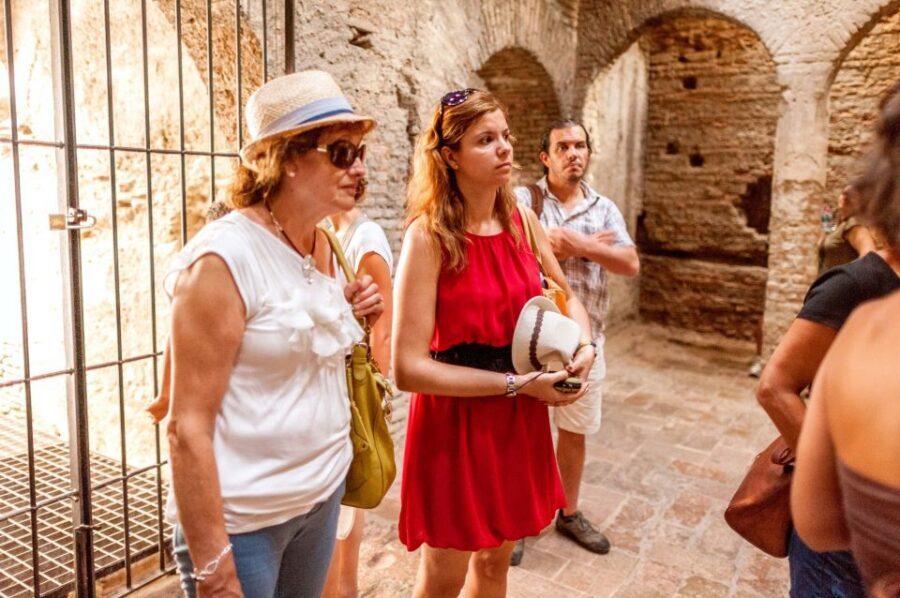
At $16 per person, you’re paying for two hours with a live guide plus associated taxes and fees. That’s not just “someone talking while you walk.” It’s about time-saving and sense-making.
First, you’re covering two major areas—Albayzín and Sacromonte—without having to plan every turn. Second, the tour guides you to viewpoints of the Alhambra and to the cave neighborhood where context matters. Even if you could walk the streets on your own, you’d likely miss the connections: Islamic Granada’s architectural identity, Sacromonte’s living cave culture, and why flamenco is tied to this story.
I also like that this tour is often recommended as a first activity. Do it early, and the rest of your day gets easier because you’ll understand what you’re looking at when you return to the city’s big highlights.
Who this tour is best for (and who should think twice)
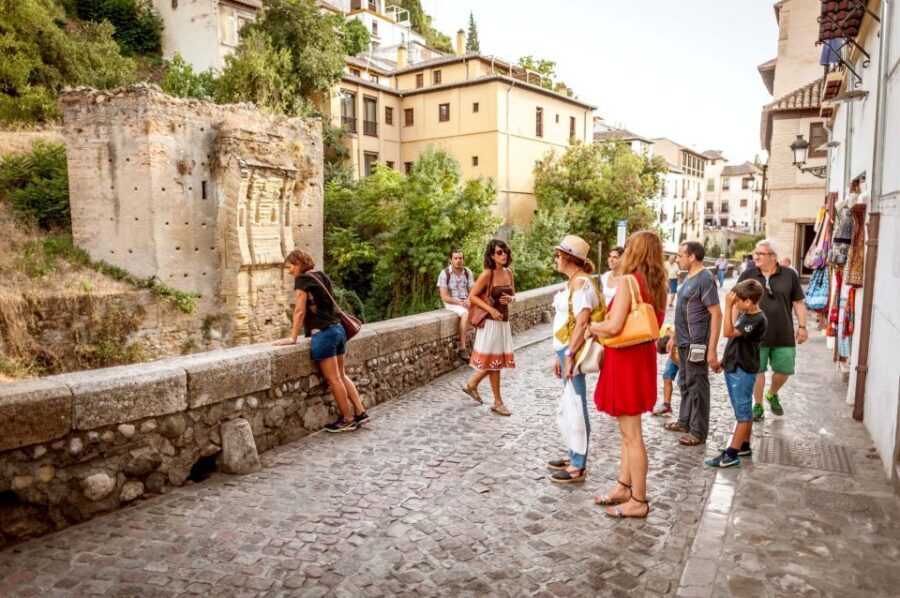
This tour is ideal if you want:
- A guided introduction to Islamic Granada through Albayzín
- Unforgettable city views toward the Alhambra
- A look at Sacromonte cave dwellings as living homes
- A cultural explanation of the origins of flamenco
It’s especially good for first-timers who don’t want to spend hours figuring out the layout of a maze neighborhood. It also suits people who enjoy walking and want their history delivered with direction, not just facts.
Think twice if you:
- Struggle with steep climbs and lots of stairs
- Need very smooth, flat walking surfaces
- Have mobility limitations that make uneven stone a challenge
And if you’re picky about language: the tour is offered with live guidance in English or Spanish. Some groups are mixed, so if language balance matters a lot to you, it’s worth choosing the option that matches your comfort level.
Should you book the Albayzín and Sacromonte walking tour?
Yes—if you’re excited by walking neighborhoods, want the best Alhambra views on foot, and care about how culture connects to place. This one feels like a focused Granada primer: Albayzín for the Islamic streets and Spanish-Muslim architecture, Sacromonte for cave life and the story behind flamenco.
Book it early in your trip if you can. You’ll leave with a clearer sense of the city’s layout and a stronger understanding of what you’re seeing when you look around later.
If hills and stairs are a dealbreaker, skip it and choose a more relaxed option. But if you can handle uphill walking with solid shoes, this is a great use of 2 hours.
FAQ
How long is the Granada Albayzín and Sacromonte walking tour?
It runs for about 2 hours.
Where does the tour start?
It departs from the central area around Plaza Nueva, though the exact meeting point may vary depending on the option booked.
How much does the tour cost?
The price listed is $16 per person.
What languages are available for the live guide?
The tour has live guidance in English and Spanish.
Do I need to speak Spanish to enjoy the tour?
No. The tour offers English as well as Spanish, with a live guide.
What should I wear for this tour?
Wear comfortable shoes, since the route includes walking with hills and stairs.
Is free cancellation available?
Yes. You can cancel up to 24 hours in advance for a full refund.