REVIEW · GRANADA
Granada: Cathedral & Royal Chapel Skip the Line Tour
Book on GetYourGuide →Operated by Special Plans · Bookable on GetYourGuide
Granada’s Cathedral gets serious fast. This skip-the-line tour is a tight, smart way to understand both the Granada Cathedral and the Royal Chapel without wandering around lost, because a live guide turns the art and history into something you can actually picture. I like that you’re not just looking at buildings; you’re learning how the Catholic Monarchs’ world shaped the spaces you’re standing in.
What I really love is the one-two punch: Spanish Renaissance inside the Cathedral, then the Royal Chapel’s Isabelline Gothic feel right next door. And the guide matters a lot here—people have praised guides like Xino, Sophia, Laura, Jaime, and Carmen for explaining family ties of Spain’s monarchs and the meaning behind the details. One possible drawback: this is only about 2 hours, so if you want long, slow wandering or lots of photography time, you may feel a little pressed, and some areas (especially in the Royal Chapel) can have restrictions.
You’ll start in a spot that’s easy to find: Plaza Isabel la Católica, behind the Monument of the Capitulations (Queen Isabella I and Christopher Columbus). Bring your ID, wear comfy shoes, and plan for a walking tour pace—even when the buildings are the main event, your feet still do the work.
In This Review
- Key things that make this tour worth your time
- Why the Cathedral and Royal Chapel are a perfect pairing in Granada
- Plaza Isabel la Católica: your simple starting point (and why it matters)
- Granada Cathedral interiors: Spanish Renaissance style with a royal agenda
- The short walk: Calle Oficios and the Alcaiceria quick hit
- Royal Chapel of Granada (Capilla Real): Isabelline Gothic and royal burials
- Timing, group flow, and how to get the most from the 2 hours
- Who should book this tour (and who might want a different option)
- Is $42 a good value here?
- Should you book the Granada Cathedral & Royal Chapel skip-the-line tour?
- FAQ
- How long is the Granada Cathedral & Royal Chapel skip-the-line tour?
- Where do I meet the guide?
- What is included in the price?
- What languages are available for the live guide?
- What should I bring, and what’s not allowed?
- Is this tour suitable for wheelchair users or people with mobility impairments?
Key things that make this tour worth your time
- Skip-the-line access to the Granada Cathedral and the Royal Chapel, so you spend your time inside instead of in a line
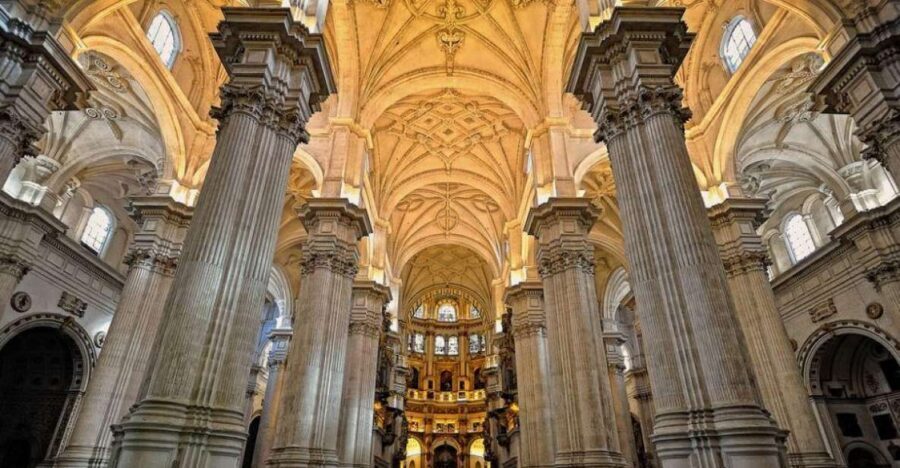
- Spanish Renaissance Cathedral interiors with a grand altar and multiple chapels, built on the site of an earlier mosque
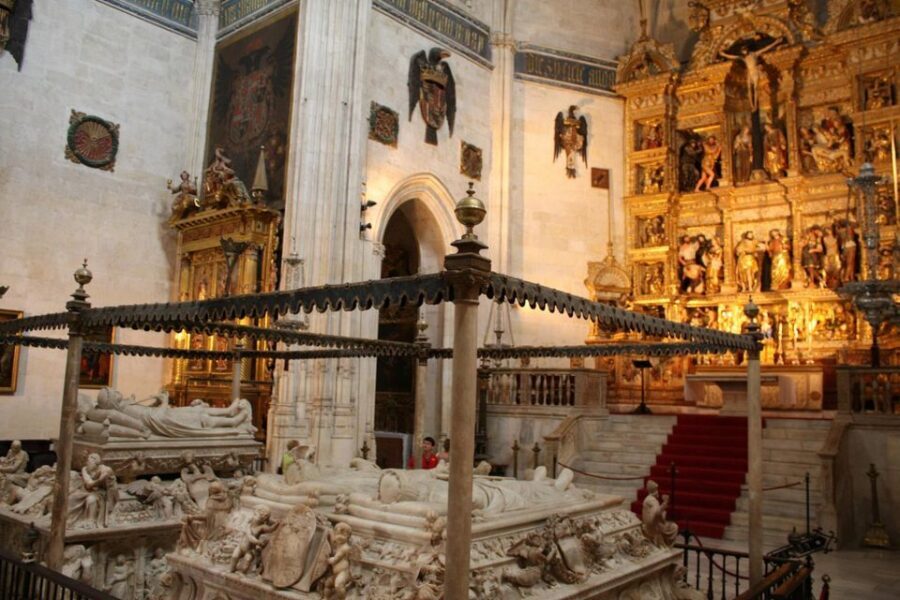
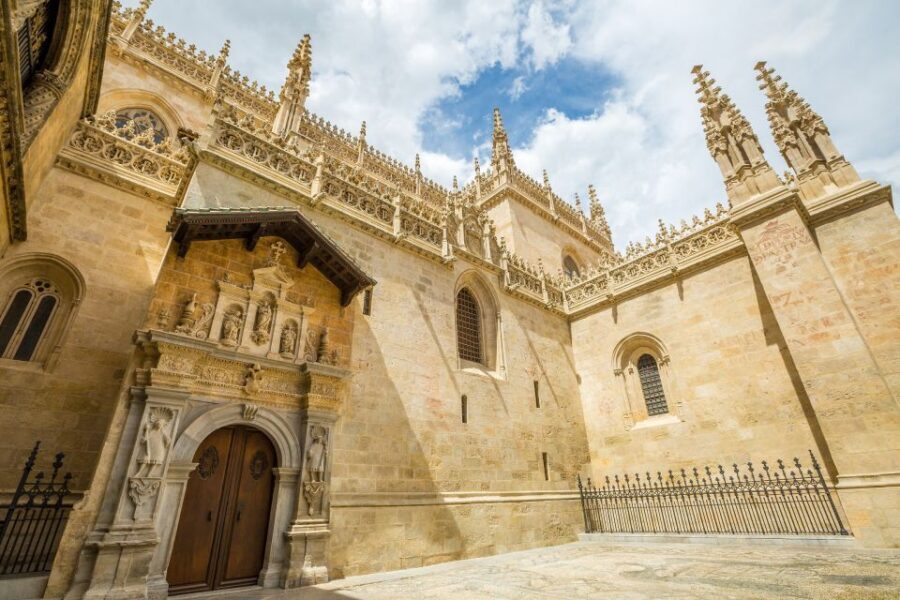
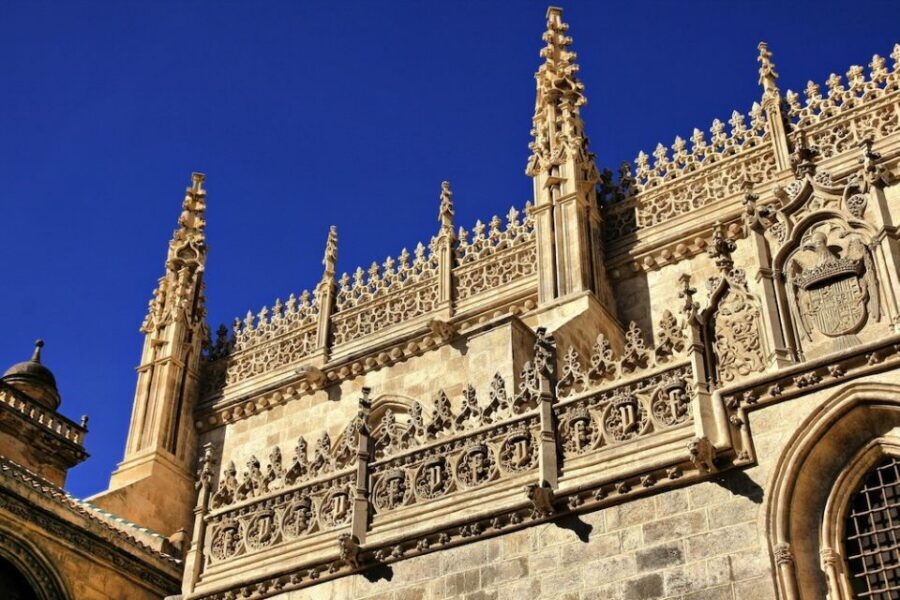
- Royal Chapel Capilla Real (1505–1517) in Isabelline Gothic style, dedicated to St. John the Baptist and St. John the Evangelist
- Tombs of the Catholic Monarchs area, including Joanna of Castile and Philip I of Castile (plus other important burials)
- Short street stops that give you texture of the old center near the Cathedral, including Calle Oficios and the Alcaiceria
- Photo/video rules in parts of the Royal Chapel, so keep your phone handy but ready to follow signage
Why the Cathedral and Royal Chapel are a perfect pairing in Granada
Granada’s story is layered. If the Alhambra is the big centerpiece of the Muslim kingdom, the Cathedral and the Royal Chapel are the heart of the Christian city that followed the conquest. That contrast is exactly why this tour works: you move from one world’s architectural language to another, in roughly the time most people can handle without getting monument fatigue.
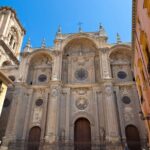
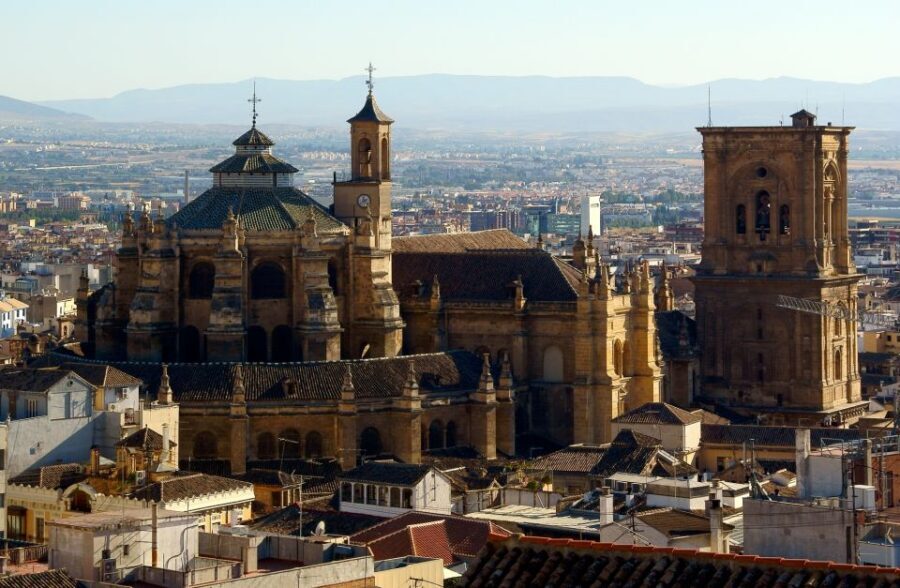
I like how the Cathedral isn’t presented as one thing. It’s a site with a past—built after the conquest on the footprint of a mosque, then shaped by later royal intentions. You get to see the Spanish Renaissance style up close (including the impressive facades and an interior that feels designed for ceremony), and then you follow that royal “power” energy right into the Royal Chapel.
And the Royal Chapel isn’t just decorative. It’s a dedicated space for worship and memory, tied directly to ruling families. The guide’s job is to connect what you see—architecture, dedications, burials—to what it meant politically and spiritually. That turns a checklist visit into an explanation you can carry with you long after you step back onto the streets.
You can also read our reviews of more tours and experiences in Granada
Plaza Isabel la Católica: your simple starting point (and why it matters)
You meet at Plaza Isabel la Católica, behind the Monument of the Capitulations, which shows Queen Isabella I and Christopher Columbus. This matters more than it sounds. A confusing meeting point can wipe out the advantage of a skip-the-line ticket, because you spend your first minutes hunting for the group.
From there, the walking plan is straightforward. You’ll spend most of the time where it counts—inside the Granada Cathedral and the Royal Chapel. The in-between bits are short and useful: quick orientation, a couple of nearby stops, and then back to the monuments.
Practical note: you should show up with your ID (passport or national ID card) and wear shoes you can stand in. This tour is not about wheel power or a long sit-down break. It’s about seeing interiors, walking small distances, and paying attention while the guide points out what’s easy to miss on your own.
Also note: the tour doesn’t include pickup, and there’s no mention of a meal. Plan to eat before or after, not during.
Granada Cathedral interiors: Spanish Renaissance style with a royal agenda
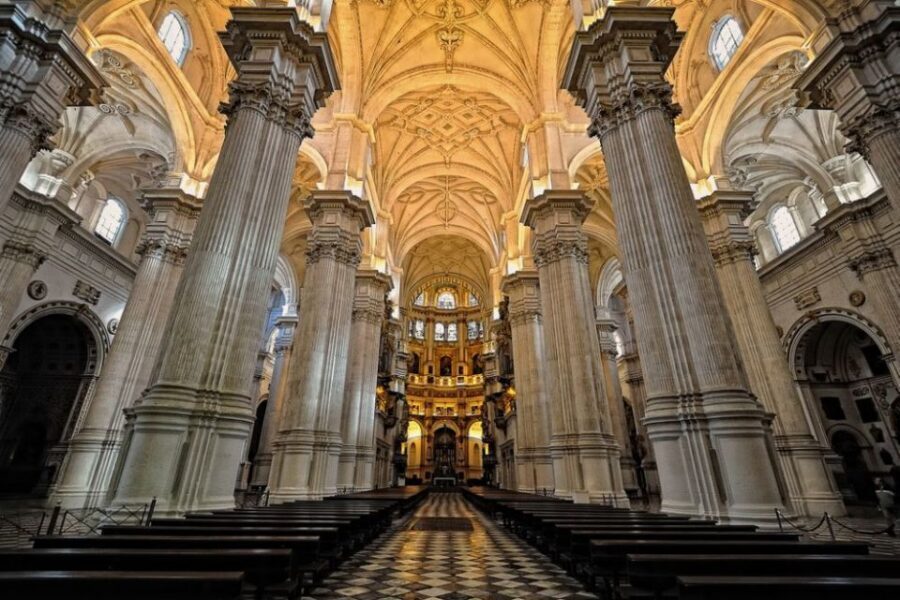
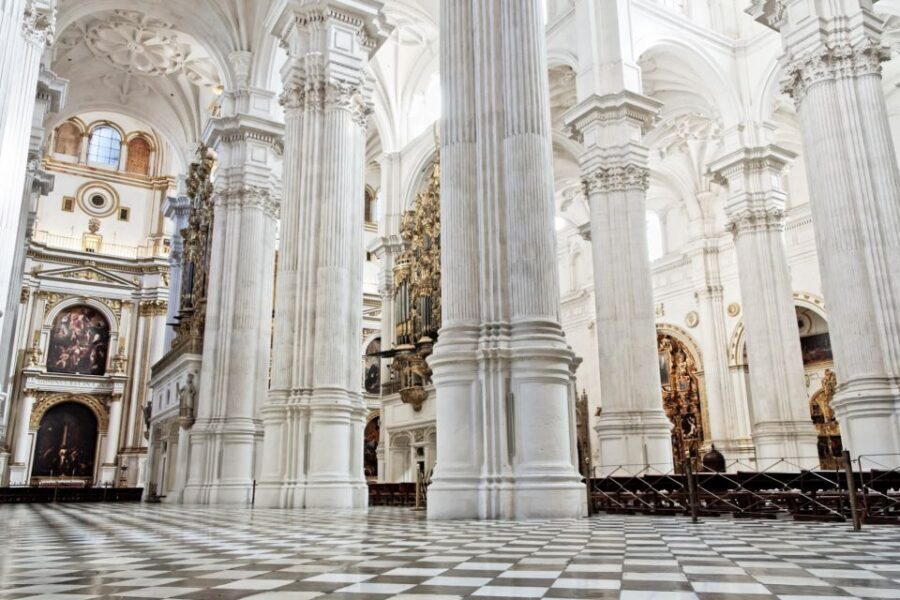
The Cathedral is where you feel the scale. The tour starts with a visit that includes time to explore the interior and a short photo stop. I like that the structure of the experience gives you a chance to orient yourself first, then settle into the “read the building” part.
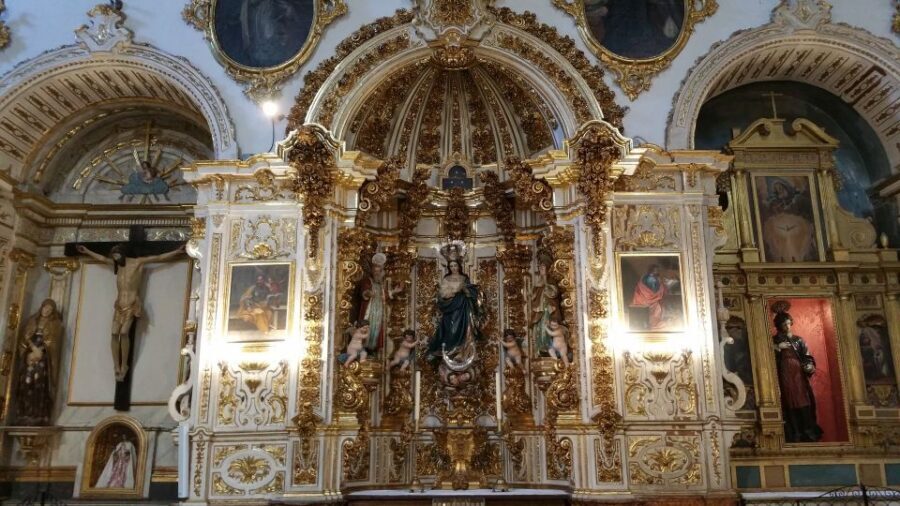
Here’s what you’re set up to notice: the Cathedral’s Spanish Renaissance character. That shows up in the way the spaces feel composed—grand but not chaotic. You’ll see a grand altar area and several chapels, which is important because people often walk past chapels like they’re background. In this kind of guided visit, those chapels can become the clues to bigger stories: who sponsored what, how devotion was practiced, and how royal memory was built into stone.
One key idea you’ll hear is that the Cathedral rises from a charged site. It was built on the location of a mosque, after Queen Isabella’s conquest. That historical pivot isn’t just trivia; it explains why the Cathedral feels like a statement. It’s a cultural switch set into architecture.
Time check: you’ll get about an hour at the Cathedral area. That’s enough for a guided path through the highlights without pretending you’ll see every corner like a dedicated art historian. If you’re the type who wants to sit down and really stare, you might come away wishing you had more minutes—though that’s also true of most famous interiors.
The short walk: Calle Oficios and the Alcaiceria quick hit
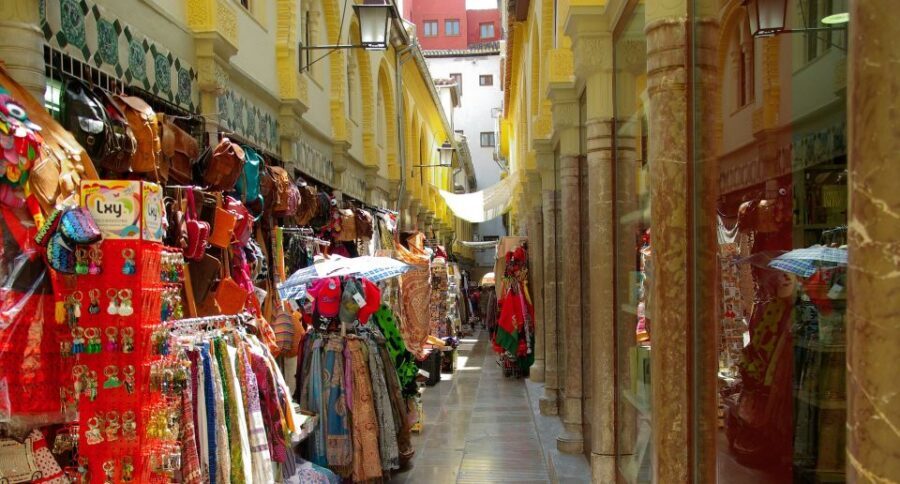
Between monuments, you’ll make a brief stop at Calle Oficios and then at the Alcaiceria. These segments are short on purpose. They’re not meant to replace a full neighborhood exploration; they give you a moment of street atmosphere so the visit doesn’t feel like walking directly from one doorway to another.
Calle Oficios is one of those old-city corridors that helps you picture daily life around the Cathedral. It’s a good reminder that even the grandest buildings lived inside a living urban fabric—shops, crafts, and people moving through narrow lanes.
Then there’s the Alcaiceria, a shopping-focused stop tied to the market tradition in that area. If you like browsing, you’ll have time. If you don’t, it still works as a quick visual break before the Royal Chapel, which is emotionally heavier and more rules-heavy in practice.
Potential drawback here: because the stops are brief, it’s not the ideal time to hunt for a specific souvenir. This is more for enjoying the vibe and maybe picking up something small than for doing a full shopping mission.
Royal Chapel of Granada (Capilla Real): Isabelline Gothic and royal burials
Now you step into the Royal Chapel, and the tone shifts. This is where the tour really pays you back for picking a guided visit.
The Royal Chapel was built between 1505 and 1517 in Isabelline Gothic style, and it’s dedicated to St. John the Baptist and St. John the Evangelist. Those dedications matter, because they connect the space to spiritual symbolism, not just royal branding.
The Chapel sits around and within the larger Cathedral complex area, also near the Church of Sagrario and the Madraza Palace. That setting helps you understand how Granada’s Christian rulers didn’t just take over land—they organized sacred space like an ecosystem.
The big draw is the burial aspect. You can pay respects at the tombs of important Catholic figures, including Catholic monarchs, Joanna of Castile, and her husband, Philip I of Castile. In other words: this is where “history” stops being a term and becomes a location where memory is physically kept.
Practical note: plan on photo/video restrictions in parts of the Royal Chapel. Based on real on-site behavior people describe, some areas may not allow photos at all. The safest approach is to treat your camera like it’s optional until you see what’s permitted.
Time check: you’ll get about an hour here. That should be enough to understand the main architectural traits and the burial context without needing extra hours to feel oriented.



Timing, group flow, and how to get the most from the 2 hours
This is built as a fast, focused loop. The listed duration is 2 hours, and the experience covers both monuments with short street segments. In plain terms: you’ll be moving, listening, and looking in short bursts. If you expect a relaxed, hours-long cathedral crawl, you’ll probably want to adjust your expectations.
What you can do to make it smoother:
- Arrive a few minutes early at Plaza Isabel la Católica so you don’t start stressed.
- Wear comfortable shoes, since the tour is still a walking experience even though you spend most of your time inside.
- Keep your ID accessible. The tour asks you to bring passport or ID card.
- Budget your phone habits at the Royal Chapel, since photos and video may be limited.
Value-wise, this is one of those deals where the math makes sense. At $42 per person, you’re paying for three things: entry tickets to the Cathedral and Royal Chapel, plus a live guide. And because it’s skip the ticket line, you’re less exposed to the kind of time-wasting that turns “cheap” into “not cheap enough.”
Also, you’re not stuck with a mystery guide language. The tour is offered in French, Spanish, Italian, and English, which helps if you’re traveling with people who don’t want to limp through translation.
Who will feel happiest with this format? First-timers to Granada who want a guided framework before they wander. People who like architecture and royal history but don’t want to spend an entire day inside religious buildings. And anyone who values a guide who can point out meaning in details—because that’s where the tour earns its money.
Who should book this tour (and who might want a different option)
This tour fits best if you:
- Want to see both major interiors—Granada Cathedral and the Royal Chapel—in one outing
- Like your monuments explained with context (the conquest story, Renaissance vs. Isabelline Gothic, and what the burials represent)
- Prefer a guided pace over self-guided wandering
It’s also a good choice if you’re on a tight schedule. Two hours is manageable even on busy Granada days, especially if the Alhambra is already on your list and you need something that covers the Christian city’s side.
I’d be cautious if you:
- Need long, quiet time in churches for sketching or deep contemplation
- Expect to take lots of photos throughout the Royal Chapel (plan for restrictions)
- Rely on mobility support—this tour is not suitable for people with mobility impairments or wheelchair users, and it also doesn’t mention accommodations for larger bags or luggage
If you’re the type who loves markets and shopping, you’ll enjoy the short stop at the Alcaiceria. Just don’t treat the shopping bits like free time to fully explore the area.
Is $42 a good value here?
In my book, $42 is fair—especially because you’re not just buying entry. You’re buying a live guide plus both ticketed sites. Add in the skip-the-line access, and you’re paying for time saved and context gained.
Cathedrals and chapels can be tough without help. From the street, the Cathedral’s grandeur is obvious. But the “why” behind the architecture—why it’s on that site, how the monarchs shaped it, how the Chapel’s Gothic style and dedications connect to rulers—takes work. This tour turns that into a guided path.
So you’re paying to reduce guesswork. That’s a real kind of value, because it means you walk away with a more organized mental map of what you saw.
The only reason it might feel pricey is if you’re someone who learns best by wandering slowly, reading signs at your own tempo, and ignoring context. For those people, a self-guided ticket route could feel cheaper. But if you want the meaning, the $42 is basically you funding someone’s ability to translate stone and symbolism into something you can remember.
Should you book the Granada Cathedral & Royal Chapel skip-the-line tour?
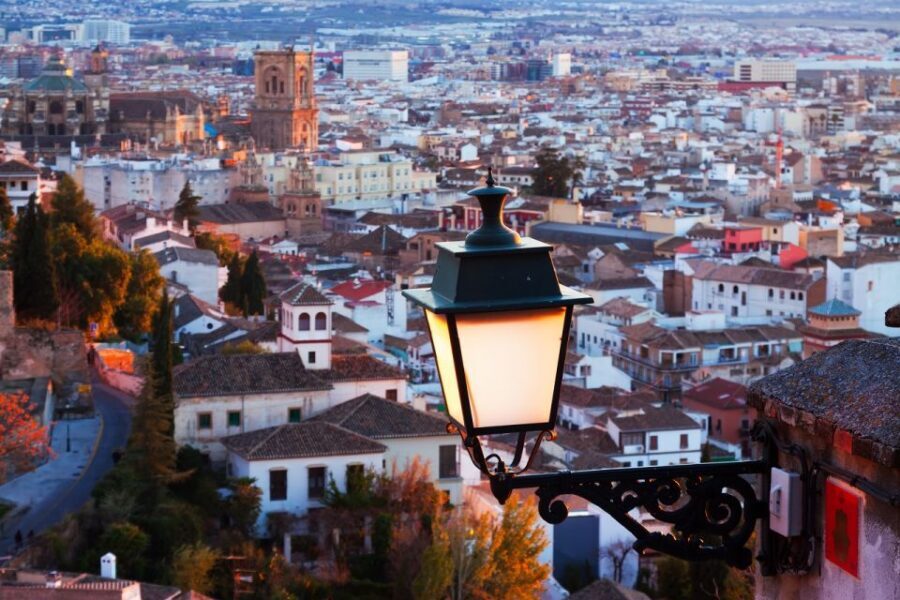
Book it if you want a high-impact, low-stress introduction to Granada’s Christian core. The combination of skip-the-line tickets, a live guide, and two major interiors—Renaissance Cathedral plus Isabelline Gothic Royal Chapel—makes your time count. The Royal Chapel’s burial focus adds emotional weight, and the Cathedral gives you the architectural frame you’ll keep thinking about later.
Think twice if you’re planning to spend most of your visit filming, or if you need long unhurried time with minimal walking. In this format, you’re here to learn and see key spaces, not to camp out in every chapel.
If you go, you’ll get the best result by showing up on time, wearing comfortable shoes, and treating the guide’s explanations like the main attraction—not an add-on.
FAQ
How long is the Granada Cathedral & Royal Chapel skip-the-line tour?
It runs about 2 hours.
Where do I meet the guide?
You meet at Isabel la Católica Square (18009 Granada), behind the Monument of the Capitulations with the statues of Queen Isabella I and Christopher Columbus.
What is included in the price?
Tickets for the Granada Cathedral and the Royal Chapel are included, along with a live tour guide.
What languages are available for the live guide?
The tour lists live guide languages as French, Spanish, Italian, and English.
What should I bring, and what’s not allowed?
Bring your passport or ID card and wear comfortable shoes. Pets are not allowed, and the tour also says luggage or large bags are not allowed.
Is this tour suitable for wheelchair users or people with mobility impairments?
No. The tour is not suitable for people with mobility impairments or wheelchair users.