REVIEW · ALBAICIN & SACROMONTE TOURS
Granada in full: Albaicin & the Historic Centre
Book on GetYourGuide →Operated by Granada con Amor · Bookable on GetYourGuide
Granada changes fast when you climb. In just 3 hours you get Albaicín and the historic centre in one logical route, with big-city views and small-street detail that adds up quickly. It is a smart choice when you want to understand the city without getting lost in the hills.
Two things I really liked: the walk gives you great viewpoint breaks so you can actually see what you are being told, and the guide builds a clear sense of how Granada grew from its earliest roots to the monuments you see today. One consideration: this is a hill-and-cobbles experience, so it is not the right fit if walking uphill and down narrow uneven streets is a problem.
If you can handle the walking, you’ll come away with a map in your head, plus photo spots you will remember. If you cannot, you may end up wishing you had chosen a flatter option instead.
In This Review
- Key highlights to know before you go
- Starting at Puerta de Elvira: where Granada’s story begins
- Albaicín hill: Elvira Gate, Mirador de la Lona, and the old city weave
- Plaza de San Nicolás and Paseo de los Tristes: views with a storyline
- Plaza Nueva to Santa Ana: shifting from hilltop life to the centre
- Royal Chancery, Gran Vía de Colón, and the Royal Chapel: power in stone
- Madrasa, Alcaicería, and Bib-Rambla: where old Granada traded hands
- Price and value: is $23 worth it for 3 hours?
- How hard is this walk, really?
- Best fit: who will love it most
- Should you book Granada in full: Albaicín & the Historic Centre?
- FAQ
- How long is the Granada in full tour?
- Where does the tour start?
- Where does the tour end?
- What languages are the live guides speaking?
- Is this tour suitable for wheelchair users or people with mobility impairments?
- How much does the tour cost?
- Is there free cancellation?
Key highlights to know before you go
- Puerta de Elvira start: You begin at an origin point rather than a random plaza.
- Mirador moments: Viewpoints are built into the route so you are not guessing where to look.
- Albaicín cobbled lanes: The oldest neighbourhood is experienced on foot, not just seen from afar.
- Churches and palaces in sequence: You pass from hill-town life to major centre monuments.
- Alcaicería and market streets: You end with a distinctly Granada flavour in the old trade area.
- A guide named Martha is often praised: Strong marks for clarity and organization.
Starting at Puerta de Elvira: where Granada’s story begins
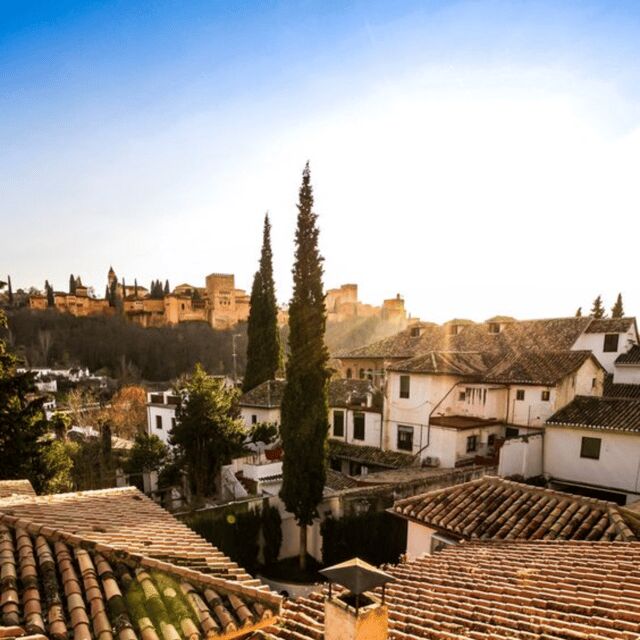
Most walking tours start with a convenient landmark. This one starts with a meaningful one. You meet near Puerta de Elvira, by Plaza del Triunfo, and your guide is easy to spot with the official accreditation hanging around their neck.
Right away, you set the tone: this is not just a sightseeing loop. It is a “follow the city’s growth” walk, so you start to connect why the streets feel the way they do, and why the viewpoints land where they do.
If it is your first day, I love tours like this because they give you bearings fast. When you later wander on your own, you will know which direction is which and what you are looking at.
You can also read our reviews of more historical tours in Granada

Albaicín hill: Elvira Gate, Mirador de la Lona, and the old city weave
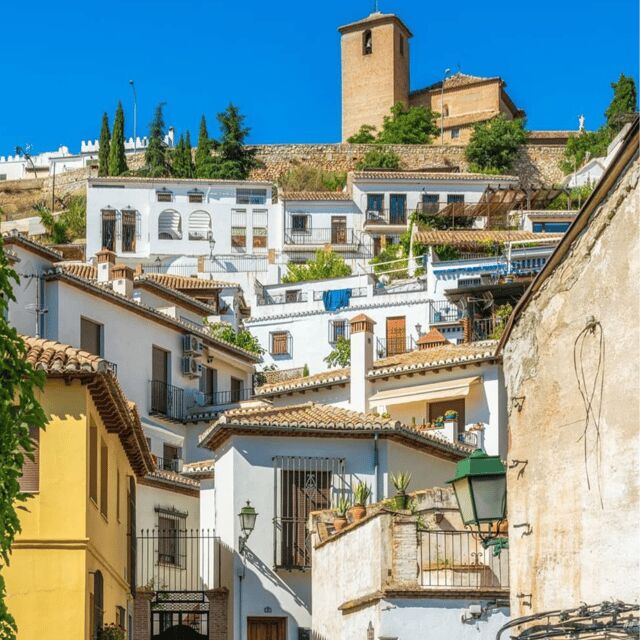
After you start by Elvira Gate, the route shifts you toward the Albaicín, the city’s oldest neighbourhood and the hill that shaped early Granada. You’ll feel it quickly: cobbled lanes, ups and downs, and that slow “watch your step” pace that makes the streets feel old on purpose.
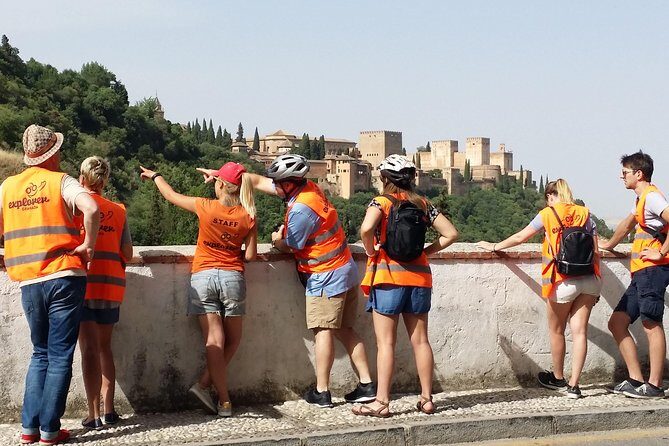
A key early stop is Mirador de la Lona, a short scenic break that is more useful than it sounds. Viewpoints are not only for photos; they teach your eye where the neighbourhoods sit and how the centre connects to the hill.
From there, you move through religious landmarks that help explain the layering of cultures in the city. The Royal Convent of Saint Isabel La Real is a quick look and walk-through moment, but it sets you up for what comes next: how Granada’s spiritual buildings anchor the street life around them.
Then comes Iglesia de San Miguel Bajo, where you get guided context along with time on foot. This is one of those stops where the guide’s narration matters, because the building is part of a living streetscape, not a museum object separated from the street.
The next transition point is Puerta Monaita. Passing through gates like this helps you understand the city’s logic. Doors and entrances in old towns were more than architecture; they were control points and boundaries, and the guide keeps that idea in focus.
Plaza de San Nicolás and Paseo de los Tristes: views with a storyline
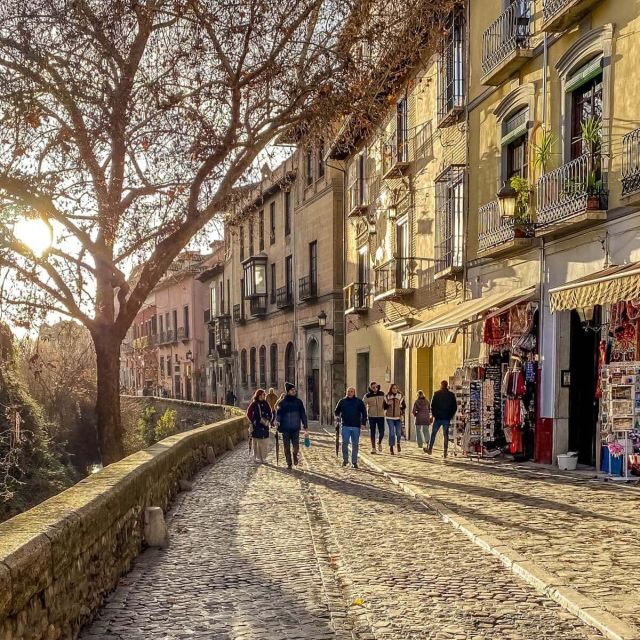
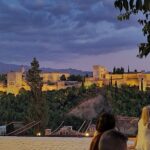
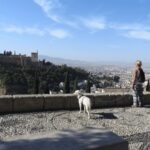
You reach one of Granada’s best-known view areas at Plaza de San Nicolás. This stop is built for photos and also for listening. When you stand here, you can see why people return again and again: the architecture and the valley view work together, and the guide helps you place what you are seeing.
From there, the walk turns toward the moodier, more dramatic feel of the hill paths with stops like Paseo de los Tristes. It is a photostop, but it is also a chance to slow down and notice the way the street curves and frames the view. That is where Granada feels like Granada, not just like a list of monuments.
A little later, you also get a viewpoint called Carvajales. I like that this tour does not treat viewpoints like random parking lots. You move through viewpoints in a sequence, so each one feels like a new angle on the same story.
The church and viewpoint pairing in this zone matters for two reasons. First, you get a visual payoff before you move on. Second, you learn how the city’s religious spaces and public spaces share the same dramatic sightlines.
If you are sensitive to steep walking, take it slow here. The hill makes you work, but the pauses make the effort feel worth it.
Plaza Nueva to Santa Ana: shifting from hilltop life to the centre
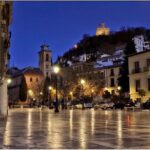
Once you leave the most hill-heavy stretch, you drop into Plaza Nueva. This is where Granada starts to feel more like a central city hub—more open space, more movement, and a different rhythm than the narrow Albaicín lanes.
The tour includes time for photos and a guided look here, plus time to walk. This stop is important because it is a reference point for later independent wandering. If you leave this plaza knowing where it sits, it becomes an easy place to reorient yourself.
Next is Church of Santa Ana, another guided stop that helps you understand how the centre evolved around major public spaces. Even without going deep into dates and details, the guide’s chronological approach makes the architecture feel connected instead of random.
What I appreciate: you are not stuck in a pure “look at the view” mode. The centre stops keep you learning while your legs recover a bit.
Royal Chancery, Gran Vía de Colón, and the Royal Chapel: power in stone
Then the tour steps into the big-name monuments of central Granada. Royal Chancery is one of those stops that can be easy to overlook if you do it alone, because you might just pass by. With a guide, it becomes part of the city’s political and cultural story.
As you continue along Gran Vía de Colón, you get a sense of how the city connects its historic heart with more modern approaches. It is a practical “street literacy” moment: you learn how to read the city’s layout as you move.
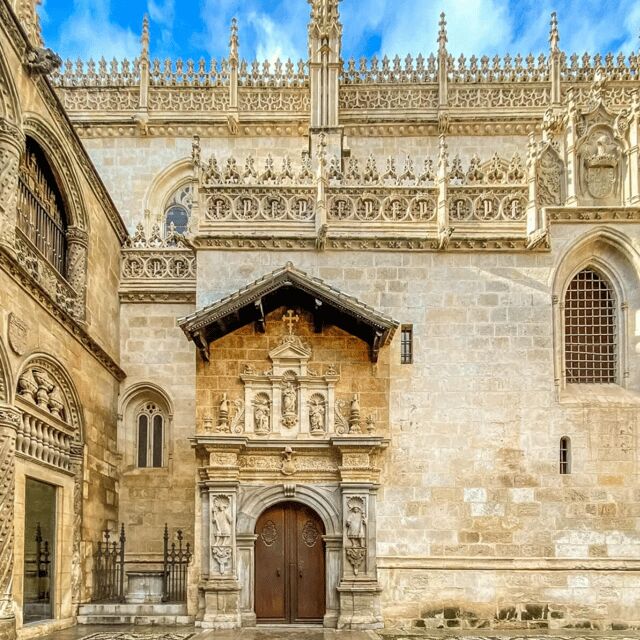
The anchor stop is the Royal Chapel of Granada. This one is guided and shorter than some full museum visits, but it is timed well. You are already in the right headspace by then: from hill origins, to centre institutions, to the monuments that symbolize authority and identity.
If you only see one major interior stop in Granada, you want it to count. Having this guided helps you notice details you would likely miss if you were rushing through on your own.



Madrasa, Alcaicería, and Bib-Rambla: where old Granada traded hands
After the Royal Chapel zone, the walk continues to the Madrasa. Even when you do not know much architecture history, a guided stop helps you see that the city’s past is not gone. It is built into the blocks and into how streets lead toward each other.
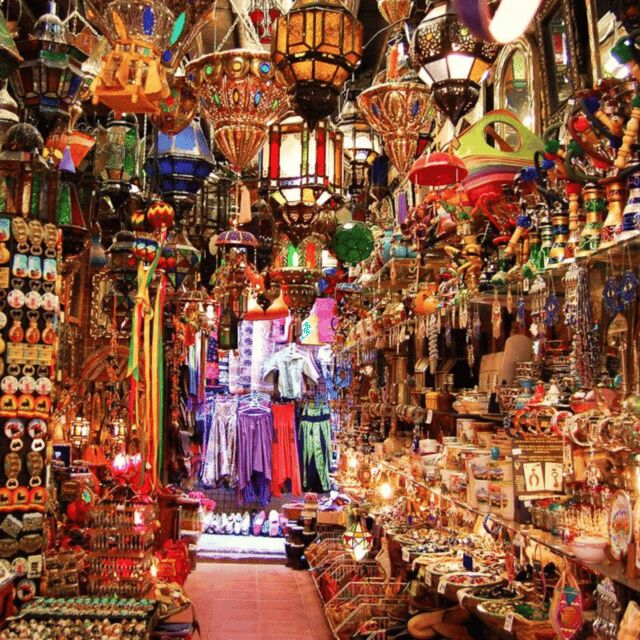
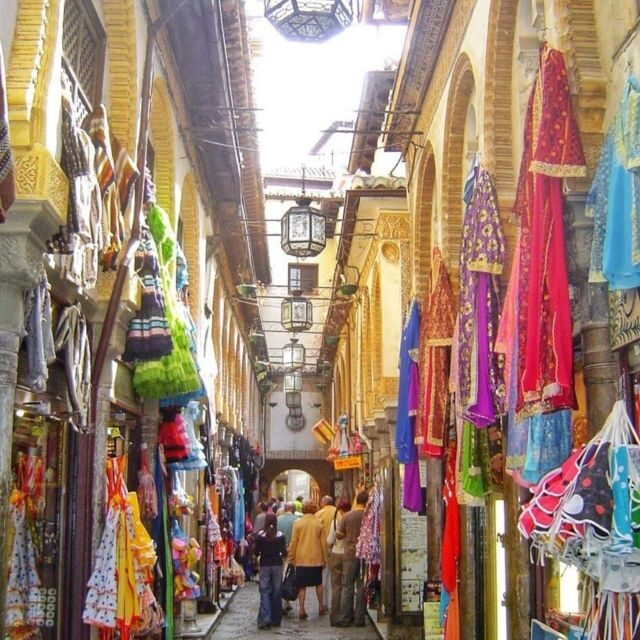
Then you move into Alcaicería, the old market area. This is a short guided/visit stop, but it is the kind of place where even a quick look can change how you picture Granada. Markets were where everyday life met culture, and the guide helps connect trade and street life to the city’s broader story.
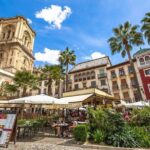
You also spend time around Bib-Rambla Square. This is one of those public spaces that helps you recalibrate. You’ve been climbing and walking through lanes and monumental zones; the square gives you space to breathe, and it works as a photo and orientation stop.
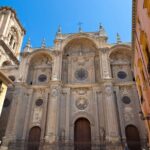
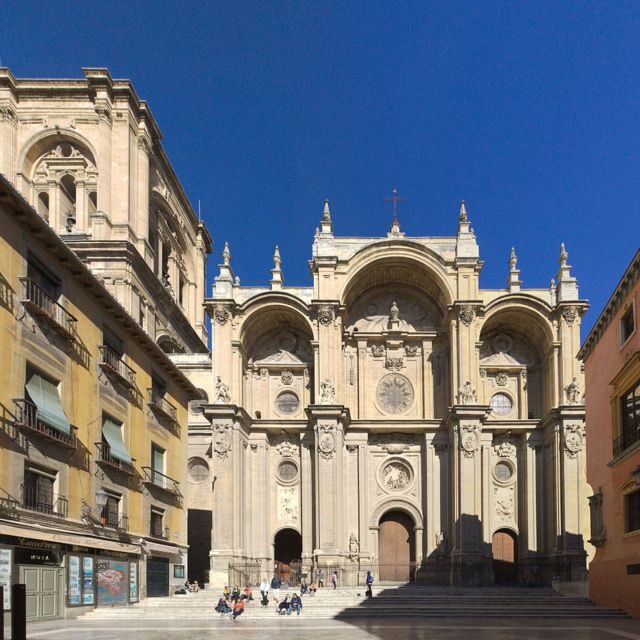
Finally, the tour heads to Granada Cathedral for a guided finish. The guided part is valuable because a cathedral is not just a big building. It is a centerpiece that makes sense only when you understand how Granada shifted over time.
You end around the cathedral area, so it is easy to keep exploring after your 3-hour block without feeling stranded.
Price and value: is $23 worth it for 3 hours?
At $23 per person for a 3-hour live guided walk, this offers strong value if you fall into the common Granada situation: you have limited time and you want to see the most important areas without turning it into a messy self-planned day.
Here’s what you are really paying for:
- A route that links Albaicín to the historic centre in one coherent flow, so you do not waste time backtracking.
- Multiple viewpoint and photo breaks where you can actually understand what you are seeing.
- Guided visits at major religious and cultural stops, which is where solo wandering often loses you.
The tour is also priced like something you can slot into a first-day itinerary. That matters because Granada works best when you know your geography early.
How hard is this walk, really?
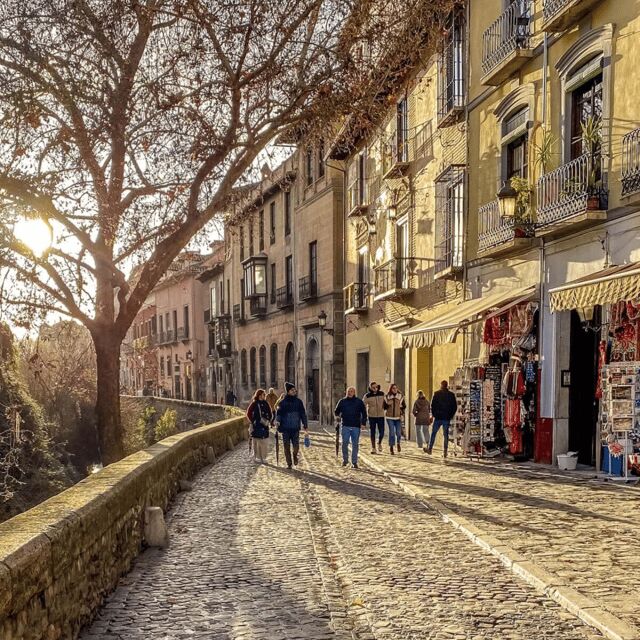
This experience is categorized as not suitable for people with mobility impairments and not suitable for wheelchair users, and that makes sense. The Albaicín is on a hill with old cobbled streets, and you will be walking up and down multiple times.
If you are generally fine on foot but have knee issues, I’d treat this like a workout with great rewards. Wear comfortable shoes with real grip, and plan to go slowly on the steeper cobbled sections.
If you want help planning because of mobility concerns, contact the operator before booking so they can guide you on whether it will work for you.
Best fit: who will love it most
This is ideal if you:
- Want orientation fast, not a random list of sights.
- Like walking, especially in older neighbourhoods with real streets instead of only wide plazas.
- Want guided context at landmarks like the Royal Chapel, Royal Chancery, and Cathedral.
It is also a good option if you enjoy photo stops that feel purposeful. You are not just stopping wherever the group decides; the viewpoints connect to the story the guide is telling.
Should you book Granada in full: Albaicín & the Historic Centre?
If you have limited time and you want the city to click into place, I think it is an easy yes. You get a smart route, multiple viewpoint moments, and guided stops at places that help explain Granada’s layered past.
Book it if you can handle steep hill walking on cobbles and you want a single day plan that keeps you moving in the right direction. Skip it if mobility is a real constraint, because this one is built around the Albaicín’s uphill streets and the walking is the point.
FAQ
How long is the Granada in full tour?
It lasts 3 hours.
Where does the tour start?
You start next to Puerta de Elvira, with the official guide accreditation hanging around the guide’s neck.
Where does the tour end?
It ends at Catedral de Granada.
What languages are the live guides speaking?
The tour is guided in Spanish and English.
Is this tour suitable for wheelchair users or people with mobility impairments?
No. It is not suitable for wheelchair users and not suitable for people with mobility impairments.
How much does the tour cost?
The price is $23 per person.
Is there free cancellation?
Yes. You can cancel up to 24 hours in advance for a full refund.