REVIEW · GRANADA
Premium Scenic Daytrip to Alpujarra Villages from Granada (Max 8)
Book on Viator →Operated by Discovering Spain · Bookable on Viator
A day in the Alpujarra feels like switching time periods fast. This small-group trip with guides like Gonzalo and Carlos pairs comfortable van travel with hands-on village walking and big mountain views. I love the built-in pacing and how the guide connects what you see to the Andalusian and Moorish past. One thing to keep in mind: it’s bilingual, and on busier days seat comfort and audio can vary, so English-first travelers should plan accordingly.
If you’re based in Granada and want rural Spain without renting a car, this is a strong option. You get a full 8-hour day with multiple viewpoints, plus free time for lunch in Pampaneira where you can browse local jarapa textile shops. The format is simple: ride together, stop often, then walk the streets in the villages at a human pace.
In This Review
- Quick hits before you go
- Premium small-group comfort on Granada-Alpujarra routes
- Puente Nazari de Tablate: first gorge stop and quick mountain views
- Lanjarón: the City of Water reset before the higher villages
- Capileira (two hours): the highest village and the best view odds
- Pampaneira (two hours): jarapa shops, local products, and lunch time
- Fuente Agria: the sparkling iron-water detour for small vehicles
- Moorish architecture and Andalusian history: why the guide matters
- Value and timing: what $139 buys for an 8-hour day
- Small-group reality check: language and seat comfort
- Who this Granada-to-Alpujarra daytrip suits best
- Should you book this tour from Granada?
- FAQ
- How long is the Alpujarra daytrip from Granada?
- What is the group size limit?
- Is the tour offered in English?
- What’s included in the price?
- Is lunch included?
- Are museum or indoor tickets included?
- What are the main stops during the day?
- Where do we meet, and when does it start?
- What should I bring?
- Is the tour accessible for most people?
Quick hits before you go
- Max 8 in a comfy van means fewer heads in the frame and more flexible guiding around the group
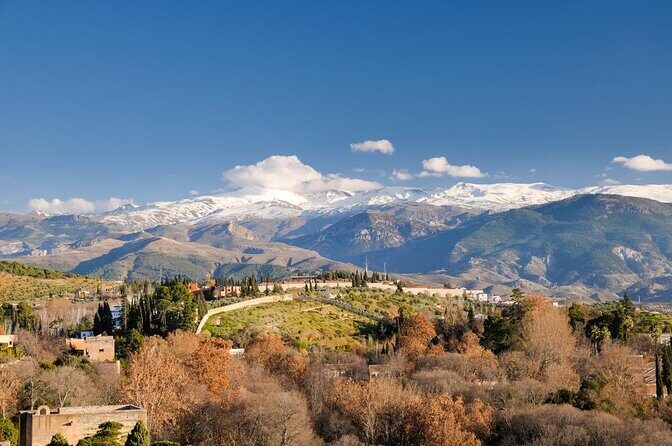
- Capileira’s elevated viewpoints give you big Poqueira gorge views and, on clear days, sightlines toward Mulhacén
- Pampaneira’s jarapa shopping time blends culture with real buying power for scarves and textiles
- Fuente Agria is a small-vehicle-access stop where you can taste naturally sparkling iron-rich water
- Moorish history narration helps you understand why these villages look the way they do
- Insurance and mobile tickets are included, so you’re not scrambling on the day
Premium small-group comfort on Granada-Alpujarra routes
This is a full-day outing that runs from Granada at 9:00 am, returning to the same meeting point. Pickup is at Discovering Spain – Alhambra Tours Excursiones, Pl. de las Descalzas, 3 (Centro), and the site is near public transport, which makes it easier if you’re not staying close to the Alhambra.
The big “premium” difference here is the cap of 8 guests in a comfortable van. That smaller size matters on winding mountain roads: you’re not stuck watching around other people’s heads, and the guide can actually steer the day toward the views and the walking parts without feeling rushed.
You’ll also like that it includes the practical stuff: village walking with a local specialist, mountain-view stops, and travel/transport insurance. What’s on you is mostly personal comfort: bring layers, solid shoes, and water. Mountain villages can get cool and breezy even when Granada feels mild.
You can also read our reviews of more tours and experiences in Granada.


Puente Nazari de Tablate: first gorge stop and quick mountain views
Your day opens with a stop at Puente Nazari de Tablate for about 30 minutes. This is one of those “short but meaningful” moments: the guide explains why the gorge and bridge mattered historically, including how it functioned as an entry route into Granada during conflicts.
Then you get enough time for real photos. There’s a brief viewing moment before you start climbing toward the mountains. You won’t have time for a long hike here, but it’s a smart warm-up stop because it sets the tone for the day: you’re heading toward valleys shaped by geography and history, not just pretty towns.
Tip: this is where I’d pull on a light layer, even if you start the day warm. You’ll be glad you did once the air cools at higher elevations.
Lanjarón: the City of Water reset before the higher villages
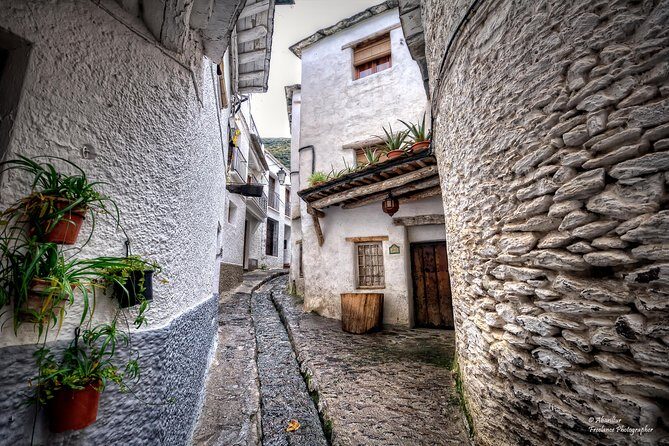
Next comes Lanjarón, another short stop of about 30 minutes. The main theme is right in the name: Lanjarón is known as the City of Water. It’s a good pace-setter because it’s scenic and historic without asking you for a long walk.
Think of this stop as your rhythm check. You’ll get your bearings, stretch your legs, and get ready for the longer village blocks later on when the walking is more involved. It’s also a nice contrast after the gorge stop: you move from dramatic mountain infrastructure to a town feel.
If you’re sensitive to altitude or just want an easy start, this is the kind of stop that helps you avoid the “rush into the steep stuff” problem.
Capileira (two hours): the highest village and the best view odds
Capileira is the big elevation moment, and you have about 2 hours there. It’s the highest of the three principal villages, so you get that “you can see forever” feeling looking across the Poqueira valley.
What you should expect: the guide helps your small group reach the best viewpoints for photos of the Poqueira gorge. And on clear days, you may even catch views toward Mulhacén, the high peak that anchors Sierra Nevada. Even if the weather is mixed, the village position usually delivers strong scenery and a sense of altitude.
Why the two hours matters: you’re not just passing through. You can slow down, stop for photos, and walk at a comfortable pace. This is also a good place to check the rest of your day: if you’re planning to buy textiles later, you can decide what you want to prioritize in the next village so you don’t feel rushed.
Bring layers for Capileira. Even when the sun hits, the wind can shift quickly.
Pampaneira (two hours): jarapa shops, local products, and lunch time
Then you head to Pampaneira, the most colorful and picturesque of the three main villages, with about 2 hours. This is where the day turns more into wandering and shopping.
You’ll have free time to browse artisan shops, including places selling jarapa, a traditional local textile. You can also look for locally made products, which is the practical reason to give Pampaneira a longer stop: you’re not only viewing the culture, you can actually take some of it home.
Lunch is on your schedule here. Food and drinks aren’t included, but you do get time to choose a spot. If you’re trying to keep costs down, use your time in Pampaneira to pick a casual lunch rather than hunting for the fanciest menu. If you want the easiest experience, pick a restaurant near where the foot traffic is strongest, since you’ll already be done with the walking loop.
Photo tip: jarapa colors look best when the light is even. If you’re shooting with your phone, take a few minutes before lunch to find a spot where people aren’t constantly walking through your frame.




Fuente Agria: the sparkling iron-water detour for small vehicles
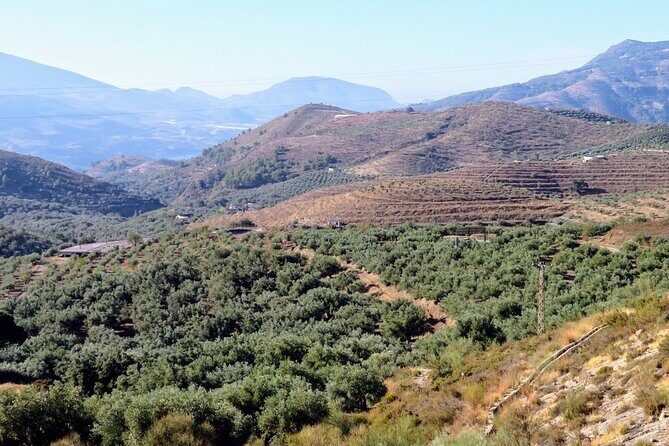
For about 30 minutes, you’ll stop at Fuente Agria, a spring accessible only to small vehicles. That detail matters because it keeps the stop feeling more specific and less like a roadside checklist.
The “what you do” here is simple: visit the famous Fuente Agria and taste the naturally sparkling, iron-rich water. It’s short, but it’s one of those authentic-feeling moments that doesn’t depend on indoor tickets or museum hours.
This is also the kind of stop that breaks up the day emotionally. After the village streets and viewpoint walking, it’s a reset: one place, one sensory moment, then back on the road toward Granada.
If you’re sensitive to iron tastes or carbonation, you might just take a small sip first.
Moorish architecture and Andalusian history: why the guide matters
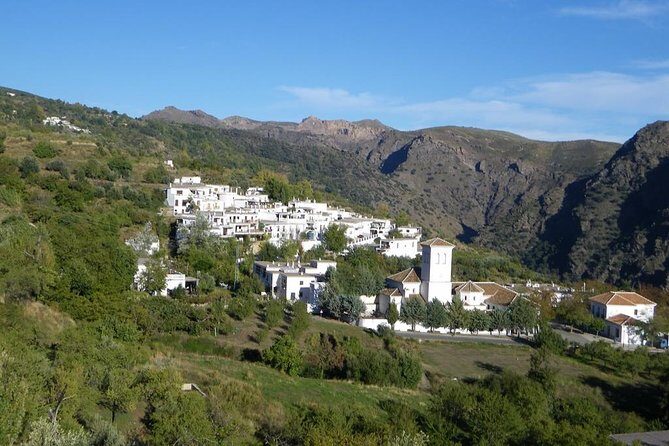
The tour doesn’t treat these villages as postcard backdrops. A local specialist explains Andalusian history and Moorish architecture as you move through the day.
That guidance is what helps you notice more than the obvious. The guide’s narration tends to focus on how people lived in these places and why the architecture developed the way it did. On an Alpujarra day, that kind of context changes your brain’s checklist: instead of only looking at views, you start looking at materials, structure, and settlement patterns.
It also explains why stops like Puente Nazari de Tablate land with extra meaning. You’re not just seeing a bridge; you’re understanding why it mattered as a passageway in conflict-era geography.
This is one of the reasons people rate the trip so highly (an average rating of 4.7 with strong recommendation rates). When the day has context, it feels worth the time and money, not just scenic.
Value and timing: what $139 buys for an 8-hour day
At $139.13 per person for roughly 8 hours, you’re paying mainly for three things: transportation, a specialist guide, and the structure of multiple stops without planning.
Here’s what you get that you might not easily DIY in one day:
- A comfortable van ride designed for mountain roads
- Guided walking in the three main villages
- Multiple guaranteed viewpoint stops
- Insurance included
- Time management so you’re not stuck waiting around
What you don’t get: lunch is not included, and monument or indoor site tickets aren’t included. That’s not a deal-breaker, but it means you should budget a lunch meal and snacks on your own. Still, the tour gives you free time in the village where lunch makes the most sense: Pampaneira.
If your travel style is you want to see a lot but not drive, this format can feel like good value. If your style is slow museums and long café hangs, you may find the day slightly packed, especially at higher elevation.
Small-group reality check: language and seat comfort
Most of the time, small group means more personal service. But I’d be honest about two practical issues that can affect the experience.
First is language. The tour is offered in English, but it’s described as bilingual, and a few people reported that Spanish dominated at times, which can reduce how much you understand. If English is your top priority, it’s smart to communicate that expectation early (and if you’re in a mixed group, ask at the start how they’ll handle interpretation).
Second is seating. While the group is max 8, van layouts can still put some passengers in less ideal seats. One negative account pointed out an obstructed view and limited hearing from the back. The lesson for you: when you meet the van, check the seating situation right away and raise concerns immediately rather than waiting.
These are fixable day-of problems if handled early, but they’re worth knowing so you can protect your comfort and expectations.
Who this Granada-to-Alpujarra daytrip suits best
This is a great match if you want a real rural Andalusia day without the stress of driving and route planning. It’s also ideal for first-time Granada visitors who want a different side of Spain from the city and monuments.
You’ll likely enjoy it if:
- You like a mix of walking and viewpoint stops
- You’re curious about Moorish influence and how that shows up in village life
- You want shopping time in Pampaneira (jarapa textiles)
- You’re okay handling lunch on your own
It can also work well for families, since guides have been described as adjusting the pace so different ages can manage the walks. If you’re bringing kids, still plan on layers and sturdy shoes, because the mountain air can be unpredictable.
Should you book this tour from Granada?
If you want one well-structured day that hits the key Alpujarra villages plus the best viewpoint moments, I’d say yes. The combination of small-group max 8, guided village walking, and a history-and-architecture story makes it more than just “a drive through pretty towns.” You also get a couple of standout detours like Puente Nazari de Tablate and the Fuente Agria water stop that most self-guided plans skip.
I’d book with more caution if you’re very strict about English-only narration or if you’re sensitive about van seating and audio. In that case, make your preferences clear at the start and be ready to advocate politely for visibility or hearing.
Overall, it’s the kind of daytrip that gives you the feeling of having gone somewhere different from Granada, not just left for a few photos and returned.
FAQ
How long is the Alpujarra daytrip from Granada?
It runs about 8 hours.
What is the group size limit?
The tour is a small group with a maximum of 8 travelers.
Is the tour offered in English?
Yes, it is offered in English.
What’s included in the price?
You get premium van transport, a small-group format, guided walking tours in the main villages, narration from a local specialist, mountain viewpoint stops, and travel and transport insurance. Mobile tickets are used.
Is lunch included?
No. Lunch and drinks are not included, but you’ll have free time to choose where to eat.
Are museum or indoor tickets included?
No. Monument access or indoor site admissions are not included.
What are the main stops during the day?
You’ll visit Puente Nazari de Tablate, Lanjarón, Capileira, Pampaneira, and Fuente Agria, with guided walking in the principal towns.
Where do we meet, and when does it start?
The meeting point is Discovering Spain – Alhambra Tours Excursiones, Pl. de las Descalzas, 3, Centro, Granada. The start time is 9:00 am, and you return there.
What should I bring?
Wear comfortable clothes and suitable footwear, and bring water and layers.
Is the tour accessible for most people?
The information says most travelers can participate. It includes walking in villages, so good shoes help.