REVIEW · HISTORICAL TOURS
Water paths. Private adventure and history tour
Book on Viator →Operated by Andalucía 360 · Bookable on Viator
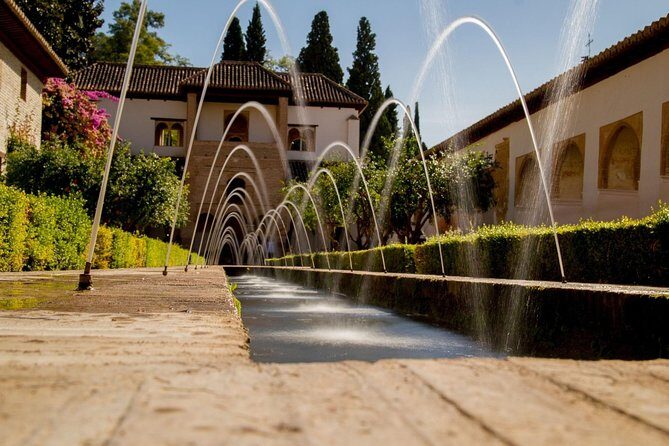
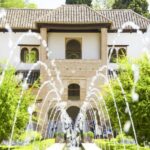
Granada’s water hides in plain sight. This private adventure and history tour takes you along water paths that connect Granada’s everyday life to the big water brain of the city, from fountains and springs to forest edges by the Alhambra. You move through the Albaicín area and finish the loop right where you started, with a small group guided for close attention.
I love the way the story stays practical: each stop explains how water was used and managed, not just where it is. I also like the human touch in the guiding, with names like Jose praised for history know-how and Mikael noted for punctual, smooth logistics.
One heads-up: this walk is built on slopes and uneven paths, so moderate fitness helps, and it’s not suitable for reduced mobility or for people with hearing or visual impairments.
In This Review
- Key things you’ll like about this Granada water tour
- Granada’s Water Paths: a private 3-hour walk that tells a city’s story
- Where the tour starts in the Albaicín at Fuente del Paseo de los Tristes
- Cuesta de los Chinos: a small artificial river plus local legends
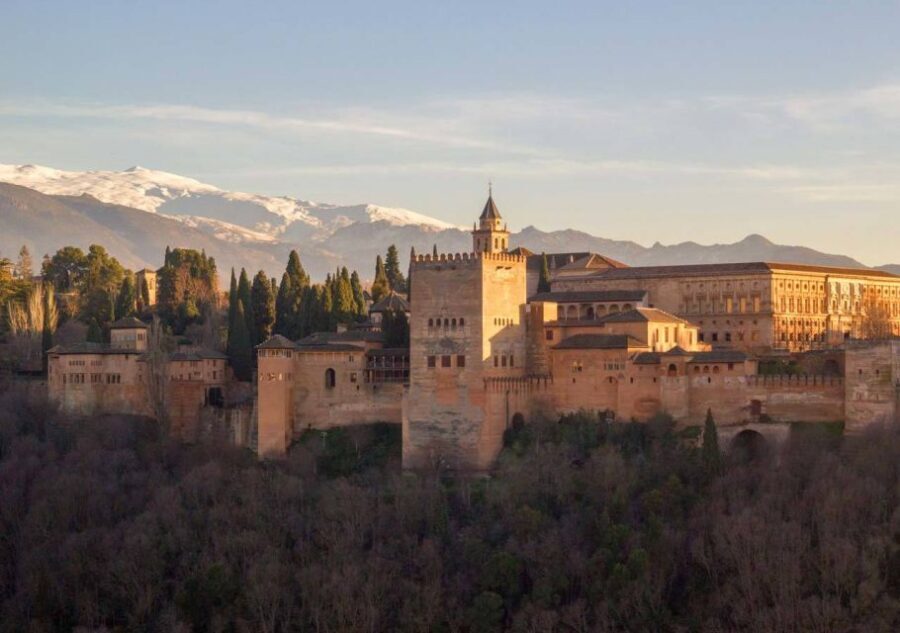
- The Alhambra boundary walk: learning how the fortress got its water
- La Silla del Moro: top views and medieval space planning
- Cerro del Sol: labyrinth roads, ditches, and a forest break
- Fuente del Avellano: healing-water legend and the Romayla ditch
- Why the guides matter: tight pacing, real explanations, and names you might get
- Price and value: what $109.90 buys you in Granada
- Timing, walking level, and what to wear
- Best for who: history lovers, outdoorsy types, and water nerds
- Should you book this Granada water paths tour?
- FAQ
- How long is the Water paths private adventure and history tour?
- Where does the tour start in Granada?
- How much does the tour cost?
- What fitness level do I need?
- Is the tour wheelchair accessible or suitable for reduced mobility?
- What happens if the weather is bad?
Key things you’ll like about this Granada water tour
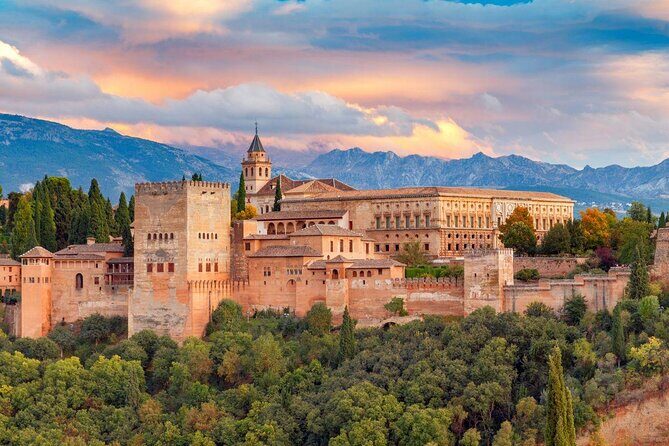
- A water-focused route that links fountains, springs, waterfalls, and ditches to Granada’s history
- Private, small-group feel that keeps the pace thoughtful and questions easy
- Outdoors time near the Alhambra without heavy museum-style stops
- Top-of-the-area viewpoints at La Silla del Moro for big sightlines
- Cerro del Sol forest stretch with a maze of roads and ditches
- Fuente del Avellano + Romayla ditch for cool shade and a real sense of place
Granada’s Water Paths: a private 3-hour walk that tells a city’s story
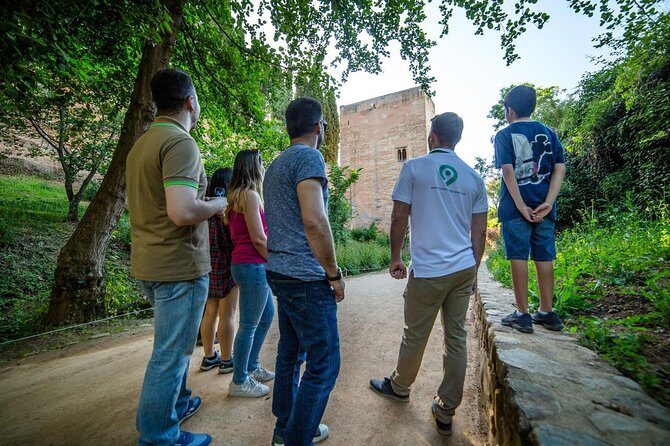
This tour is for you if you like your history on the ground, not boxed behind glass. In Granada, water isn’t just scenery. It shaped where people lived, how neighborhoods worked, and how landmarks like the Alhambra could function at scale. Here, you learn that story by following the same kinds of routes water has used for centuries—natural and artificial channels, little pillars, fountains, springs, and the practical infrastructure that turns rainfall and mountain water into daily access.
The timing also matters. Starting at 6:00 pm, you avoid the harshest daytime heat and you get an evening rhythm that fits walking. You’ll spend about three hours moving between stops and getting short, focused explanations—around 10 to 30 minutes at each named place—so you don’t feel like you’re stuck in one spot for too long.
And yes, it’s marketed as private. In practice, that means your group only, guided as a unit rather than being mixed into a large crowd. That small-group setup is a big part of why this kind of tour works: when the subject is detailed (water systems, routes, uses), you want a guide who can keep track of you, not a guide sprinting through a script.
You can also read our reviews of more private tours in Granada


Where the tour starts in the Albaicín at Fuente del Paseo de los Tristes
You meet at Fuente del Paseo de los Tristes in the Albaicín (18010 Granada), and you loop back here at the end. Even before you reach the first water feature, the meeting point choice tells you what kind of experience this is: you’re starting in a neighborhood tied to Granada’s hillside life, where water management and daily access have always been part of how the city grew.
If you’re the type who likes to get your bearings fast, arriving a little early helps. Take a minute to check your shoes, mentally note the slope underfoot, and get ready for a tour that involves walking more than sitting. Since the route crosses sloping slopes, comfortable footwear isn’t optional here—it’s what keeps the “adventure” part fun instead of annoying.
Cuesta de los Chinos: a small artificial river plus local legends
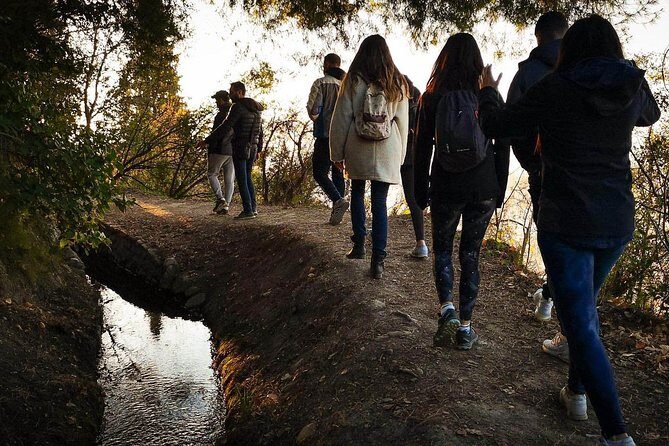
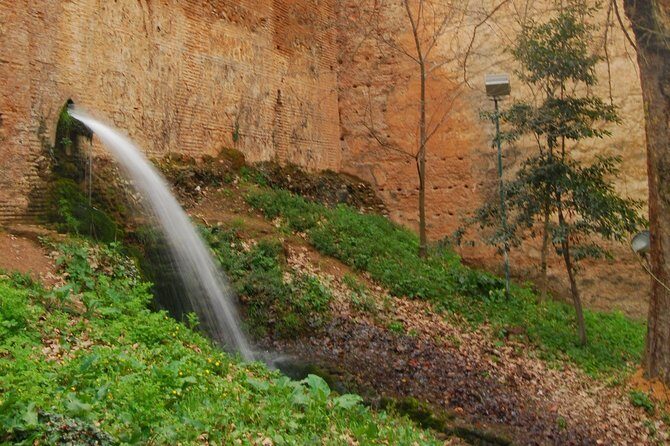
Stop one is Cuesta de los Chinos, about 20 minutes of guided time. The setting is a hillside way where you travel alongside a small artificial river, and the guide layers in legends that are tied to this place. That blend is what makes this stop more than a pretty stroll. You’re not just observing water—you’re learning how Granada’s people made meaning around it: where they walked, what they watched, and what stories they attached to the flow.
What to expect here:
- a guided walk through the canal-like water setting
- short explanations that connect legends and local water culture
A practical tip: because you’re starting with a warm-up stop, take your time on your footing. The tour is paced for discovery, not speed, but the ground can still be uneven.
The Alhambra boundary walk: learning how the fortress got its water
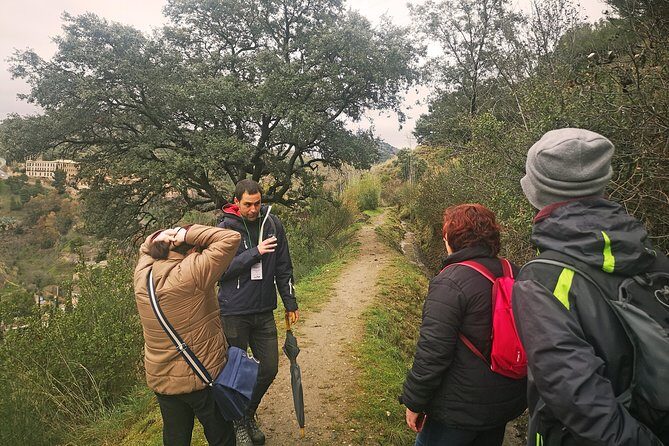
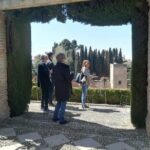
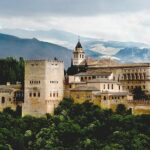
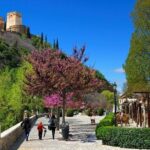
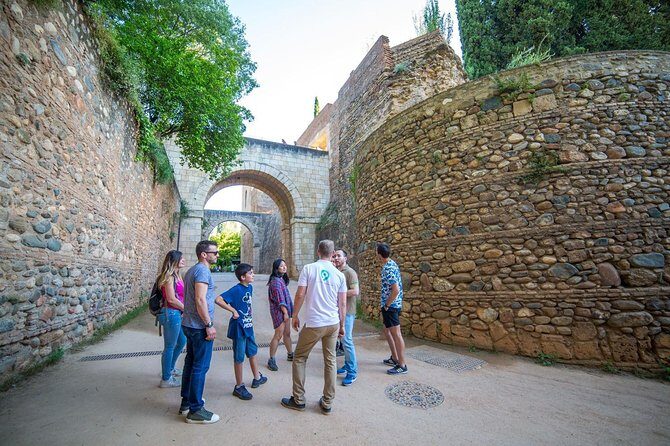
Next comes the Alhambra, but from the outside edge—specifically along the eastern side at the foot of its wall. You’ll have around 20 minutes here, focused on one of the tour’s main themes: how the Alhambra was supplied with water and what it was used for.
This is a smart stop because it changes your perspective. Instead of treating the Alhambra like only buildings and views, you see it as a system that needed water to work. Even if you know the site already, this angle helps you connect the architecture to infrastructure: where water likely came from, how it was distributed, and why water mattered to daily functions and gardens.
One drawback to note: this tour isn’t framed as an inside-ticket deep dive. The emphasis is water history around the perimeter experience. If your dream Alhambra day is about entering palaces and long indoor timelines, you’ll likely want a separate Alhambra ticket plan too.
La Silla del Moro: top views and medieval space planning
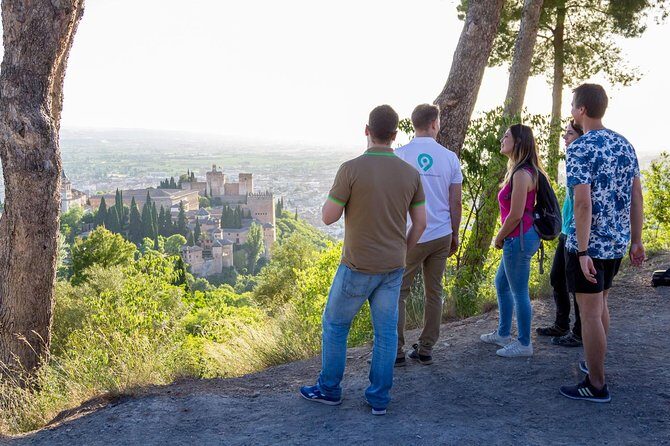
Stop three is La Silla del Moro, with about 10 minutes at the top. You don’t access the archaeological ruins themselves. Instead, you’ll use the location to understand the organization of space in medieval times and how infrastructure supported that life on the hill.
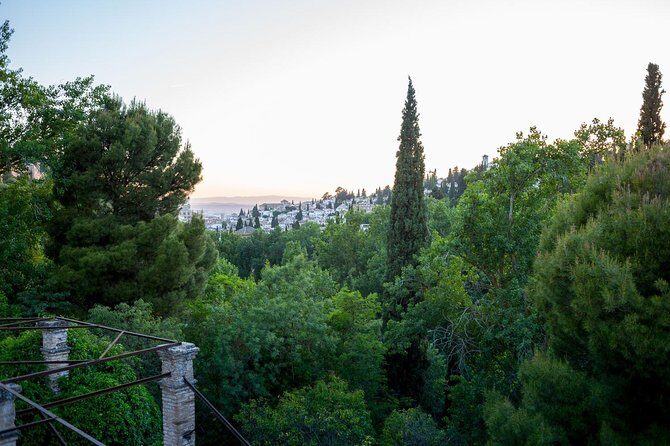
The best part here is usually the big-sky feeling. When you reach the high ground, you get far-reaching views, and the guide can point out how the layout and movement of people worked relative to water and the city below. It’s the kind of stop that’s short but memorable because it reframes what you’re seeing. The hillside isn’t just a view; it’s a plan.
What you should know before you go: it’s quick, so don’t expect long wandering time. Bring your “camera eyes,” but also keep some attention for the explanation, because the guide’s point is what turns the view into history.
You can also read our reviews of more historical tours in Granada




Cerro del Sol: labyrinth roads, ditches, and a forest break
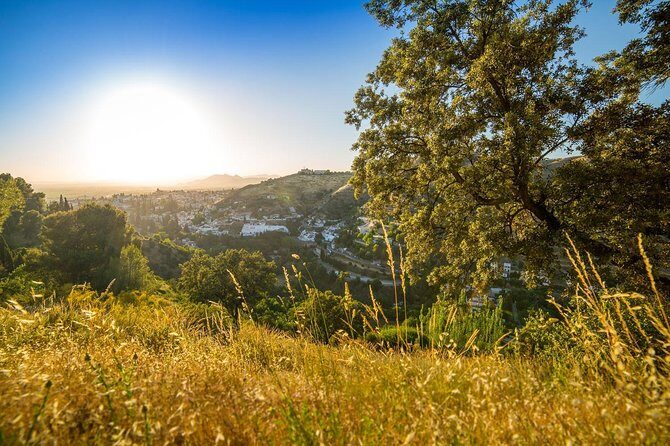
Stop four, Cerro del Sol, is where the adventure feeling gets stronger. You’ll spend about 30 minutes here, and the description is exactly the vibe: a labyrinth of roads and ditches. After that, you reach a lush forest area that works like a bridge between the countryside and the city.
This is the highlight for a reason. Water systems often look technical on paper, but in a place like Cerro del Sol they’re physical. You feel the route as you walk it—small turns, changes in grade, and the way channels and ditches cut through the path. The forest segment also gives you a breathing break from the city edge, with cooler shade that can help the whole tour feel easier even though you’re still walking.
Possible consideration: if you’re someone who dislikes getting your footing tested, this section may take more attention. The tour is described as crossing slopes, and this is one of the parts most likely to feel “hike-like” compared to the earlier stops.
Fuente del Avellano: healing-water legend and the Romayla ditch
Stop five is Fuente del Avellano, described as a mythical source of pure and healing waters. You’ll have around 10 minutes here, and the tone shifts to a more natural-feeling pause: a fresh, green shade that’s expected to be pleasant through the year, plus a continued walk alongside the ditch of Romayla.
This ending sequence is a nice piece of storytelling. You start with the city’s water access (fountains, artificial flow), you move to a major monument tied to water supply (the Alhambra), you look outward from high ground (La Silla del Moro), and then you finish in a more grounded, greener water setting. It helps your brain connect the full system—from planned infrastructure to natural spaces where water keeps shaping daily life.
One small note: the “healing” angle is presented as mythical. So treat it as part of Granada’s water lore and place identity, not as something you need to verify in a medical sense.
Why the guides matter: tight pacing, real explanations, and names you might get
This is one of those tours where the guide can make or break it, because the route is layered with details: how water moved, where it ended up, what it powered, and how it connected different parts of the city. The tour is built for small group contact and for better coexistence with the environment, which basically means you’re not being rushed through nature like it’s a backdrop.
In feedback, guides are singled out by name, including Jose as a professional historian and Mikael for attention, punctuality, and logistics. Even without knowing which guide you’ll get, that gives you a sense of the standard you should expect: knowledgeable history with the practical tone needed for a walking route.
If you like asking questions, this type of guide setup usually rewards you. Water in Granada isn’t one neat story. You get better value when you can follow up with curiosity.
Price and value: what $109.90 buys you in Granada
At $109.90 per person, this tour sits in the “quality guided walk” category rather than bargain-bus sightseeing. The value comes from a few things working together:
- A private/small-group format, so you’re not fighting for attention.
- A strong thematic focus: water history in Granada, not random scenic stops.
- Time outdoors in varied terrain, including forest edge near the Alhambra area.
- Stops that are set up as admission ticket free at the named points, so you’re not constantly paying additional entry fees.
Is it a deal? For the kind of guide-led, story-rich route it is, it often feels fair—especially if you’ve already booked Alhambra tickets and want a companion experience that explains the water behind the architecture. If you only want one quick taste of Granada and prefer a long indoor museum day, then you might decide another option fits better.
Timing, walking level, and what to wear
This tour is about 3 hours. You should plan for an evening walk that includes slopes and uneven ground. The guidance is clear: you need moderate physical fitness, and you should wear comfortable shoes because you’ll cross sloping sections.
It’s not recommended for children under 7 years, and it’s not suitable for reduced mobility. It’s also not suitable for people with hearing or visual impairment. If any of those apply, it’s worth choosing a different style of Granada experience with more accessible pacing.
A helpful mindset: treat it like a guided hike with history notes, not like a sit-and-stare walking tour. When you match your expectations to the movement level, you enjoy it more.
Best for who: history lovers, outdoorsy types, and water nerds
This tour is a strong match if you:
- love history but hate when it turns into lectures
- want to see Granada beyond the main headline sites
- enjoy nature walks and want them connected to real civic systems
- are curious about how water infrastructure shows up in daily life
It’s also ideal if you want a change of pace from crowded tours. The small group format helps you actually notice things: how channels are routed, where fountains sit in relation to movement through the city, and how the terrain shapes the system.
If you’re expecting a long Alhambra inside visit, you may feel it’s too external. If you’re expecting a pure nature trek with no cultural thread, you may find the explanations too central. But if you want the blend—adventure plus water history—this fits well.
Should you book this Granada water paths tour?
I think it’s worth booking if you want a guided evening walk that uses water as the lens for Granada’s past and present. The stop variety works: artificial river and legends, Alhambra water supply from the wall edge, high-ground medieval space at La Silla del Moro, then Cerro del Sol’s forest and a finish at Fuente del Avellano with the Romayla ditch.
Skip it if you can’t handle slopes and uneven paths, if reduced mobility or sensory access is a concern, or if your idea of the “best Granada tour” is mostly indoor museum time.
If you do book, go in with comfortable shoes, a curious mindset, and the expectation that the best moments are the ones where you stop, look, and understand how water shaped the city’s choices.
FAQ
How long is the Water paths private adventure and history tour?
The tour lasts about 3 hours.
Where does the tour start in Granada?
The meeting point is Fuente del Paseo de los Tristes (Albaicín, 18010 Granada, Spain). The tour ends back at the same meeting point.
How much does the tour cost?
It costs $109.90 per person.
What fitness level do I need?
You should have moderate physical fitness. The route includes sloping slopes, so comfortable shoes are recommended.
Is the tour wheelchair accessible or suitable for reduced mobility?
No. The route is not suitable for people with reduced mobility, and it’s also not suitable for hearing or visual impairment.
What happens if the weather is bad?
This experience requires good weather. If it’s canceled due to poor weather, you’ll be offered a different date or a full refund.