REVIEW · ALBAICIN & SACROMONTE TOURS
Granada: Albaicín & Sacromonte Walking Tour & Flamenco Show
Book on GetYourGuide →Operated by Lolita's Tours · Bookable on GetYourGuide
Flamenco starts long before the theater doors. This 3-hour walking tour strings together Albaicín lanes, Sacromonte hills, and a sunset moment where the Alhambra takes over the skyline, all with an official guide. I love how the guide turns street-level wandering into an easy story of Al-Andalus and the people who still shape these neighborhoods.
I also love that you finish with a live flamenco performance, not just a quick demo. The show is staged in the city center and aims to connect the music, the rhythm shifts, and the intense body and facial expressions that make flamenco feel so immediate.
One consideration: you’re walking on hilly terrain, and timing can be tight to stay on schedule for the city-center show. If you’re slower on steep sections, you’ll want to pace yourself from the first minutes.
In This Review
- Key things to look forward to
- Entering Granada’s hills: Albaicín to Sacromonte in one evening
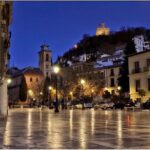
- Getting your bearings at Plaza Nueva
- San Nicolás viewpoint: the Alhambra reveal at sunset
- Albaicín streets: UNESCO lanes and Al-Andalus context
- Sacromonte hills: cave houses and flamenco drifting down
- The flamenco show: raw emotion, complex rhythms
- Price and value: what $53 buys you
- Pace, fitness, and who should book it
- Should you book this Granada tour of Albaicín, Sacromonte, and flamenco?
- FAQ
- How long is the tour?
- What neighborhoods are included in the walking portion?
- Where does the tour start?
- Is the flamenco show included?
- Do I need to arrange hotel pickup or drop-off?
- What languages are the guides?
- Is the tour suitable for wheelchair users or people with mobility impairments?
Key things to look forward to
- Plaza Nueva kickoff: Start from the fountain area and ease into the walk with a plan.
- San Nicolás at dusk: A major viewpoint stop timed around the Alhambra lighting changes.
- Albaicín’s labyrinth streets: UNESCO-area wandering plus real context about Al-Andalus.
- Sacromonte cave houses: You’ll hear the music vibe drift through the neighborhood.
- Live flamenco in the center: A full performance finale guided by a local perspective.
Entering Granada’s hills: Albaicín to Sacromonte in one evening
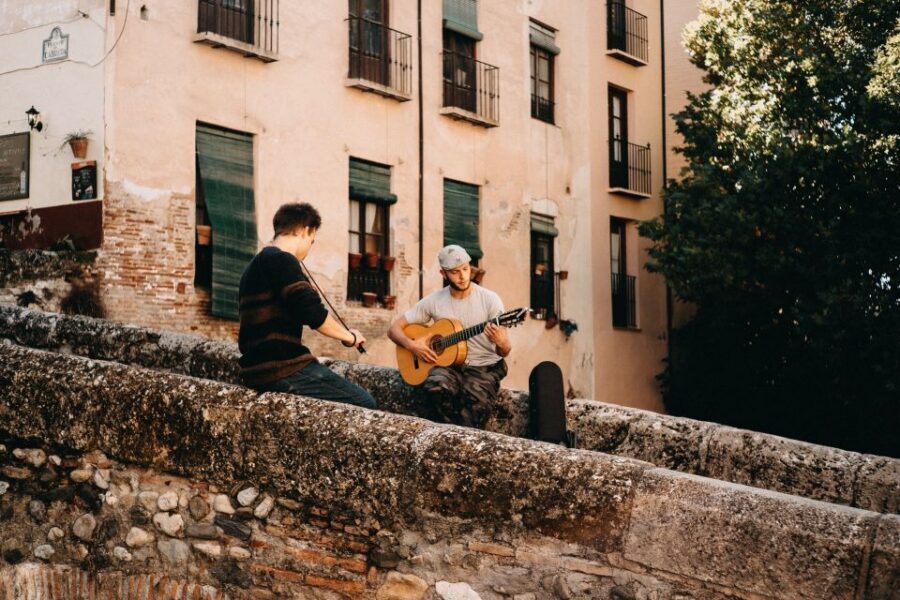
Granada works differently at walking pace. In the afternoon, the city feels open. By dusk, the angles sharpen and the streets start doing their own thing. That’s why this tour, built around two of Granada’s most famous neighborhoods, makes sense: you get the best views, the best storytelling, and then the payoff in a live show.
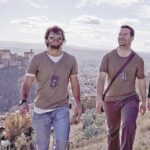
You’ll cover the old Muslim quarter side of town first in the Albaicín, then climb over to Sacromonte, known for its cave houses and strong flamenco roots. The route isn’t described as a museum sprint. It’s a guided neighborhood walk with multiple photo stops and breaks built in, including one around the sunset viewpoint.
The big value here is not just seeing sights. It’s understanding how these places connect. The guide ties the street maze to history (Al-Andalus) and to why flamenco still lives here, not just as a performance for tourists.
You can also read our reviews of more walking tours in Granada

Getting your bearings at Plaza Nueva
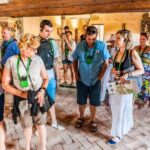
Most tours like this are only as good as their first 10 minutes, and this one starts at Plaza Nueva, at the fountain area. Depending on the option you booked, the meeting point can vary, so check your confirmation closely and arrive a few minutes early.
From Plaza Nueva, the walk naturally funnels you toward the Albaicín. That means you’re not stuck doing a long out-and-back just to reach the fun parts. Instead, you’re guided into the neighborhood while your legs are still fresh enough for the uneven footing and the slopes that come next.
Practical tip: wear shoes with real grip. Granada’s historic streets can be tricky under the golden light, when you’ll want to stop for photos. You don’t want to choose between a great view and a steady step.
San Nicolás viewpoint: the Alhambra reveal at sunset
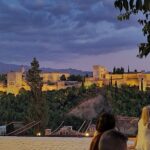
One of the tour’s most anticipated moments happens around Plaza de San Nicolás. This is where you get one of the classic sightlines toward the Alhambra, and the timing is built around dusk, when the light changes and the view feels more dramatic.
You’ll have a short built-in window here that includes time to pause and take photos, plus some guided time. The point is simple: you’re not just told where to stand. You’re given a rhythm for the stop so you can enjoy it without constantly rushing.
If you care about pictures, this is your main payoff moment on the tour. If you care about the atmosphere, this is also where Granada feels like Granada. The streets are quieter here than the city center streets, and the angle toward the Alhambra makes the whole evening click.
Potential drawback: because the day is managed around a show later in the center, you may feel the schedule tightening slightly if you linger too long at the viewpoint. I’d treat that stop like a short ritual: take your photos, get your bearings, then keep moving.
Albaicín streets: UNESCO lanes and Al-Andalus context
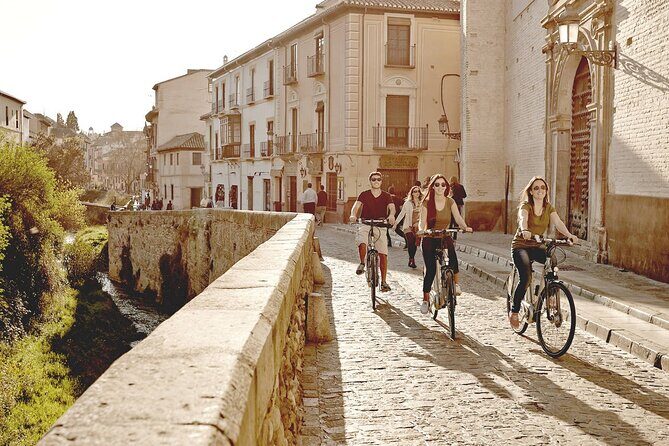
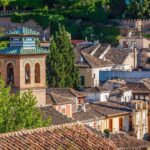
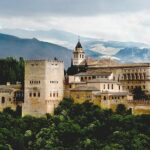
After San Nicolás, you move into the Albaicín, a UNESCO World Heritage neighborhood. This is where the tour’s storytelling gets practical. The guide walks you through what you’re seeing in the streets—how the area developed, why it’s tied to Al-Andalus, and how the neighborhood’s layout and atmosphere still feel distinct.
Expect a true old-quarter feel: winding lanes, viewpoints, and small corners where you can stop and look back. There’s time for sightseeing and guided walking, including a longer stretch allocated to this neighborhood, plus additional scenic stops along the way.
What I like about how this part is handled is that you aren’t just ticking boxes. The tour explains the “why” behind the look of the place. Even if you don’t know much about Andalusian history, you’ll get enough context to notice details you’d otherwise pass by—street orientation, how the neighborhood shape influences movement, and how heritage shows up in everyday life.
Photo tip: don’t only aim for the obvious views. Albaicín is full of angles where the street turns and frames the scene. Those are the shots that tend to look more “real” later.
Sacromonte hills: cave houses and flamenco drifting down
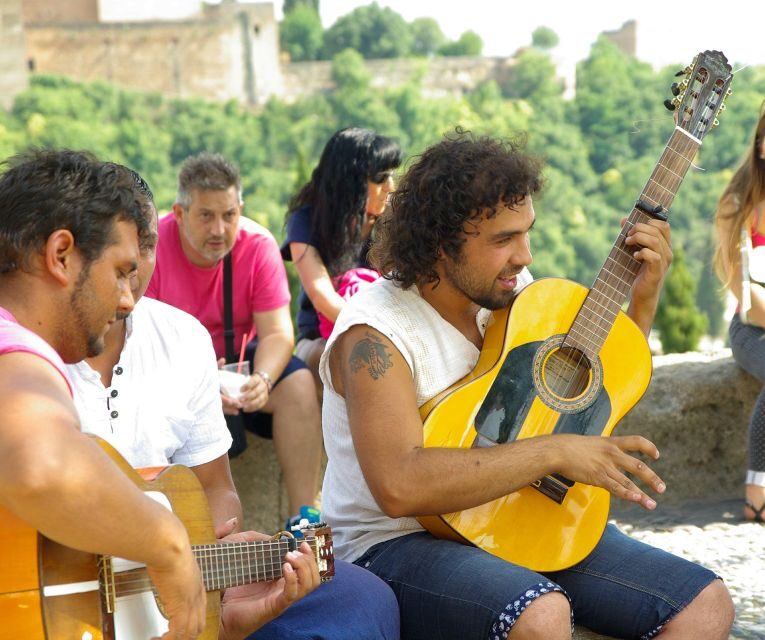
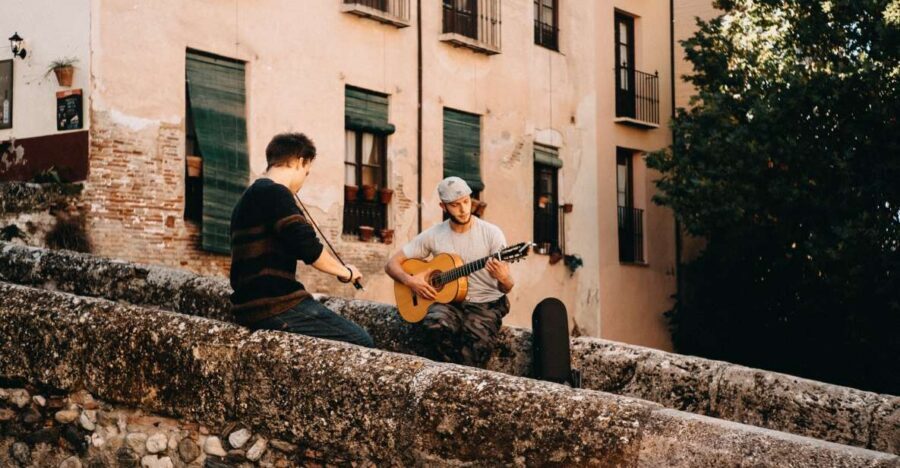
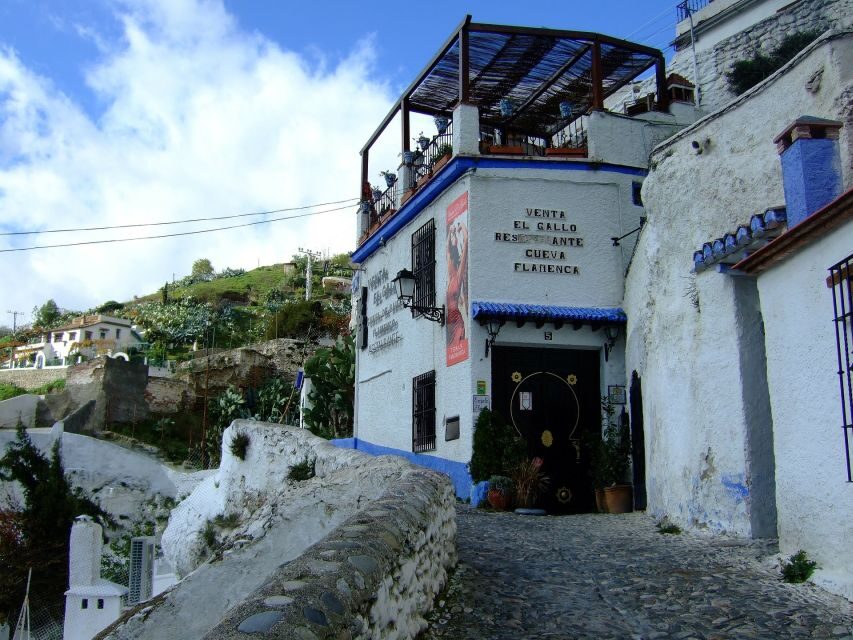
Then the tour shifts gears toward Sacromonte, where the neighborhood identity is harder to miss. Sacromonte is tied to cave houses, and this is where the tour’s flamenco theme starts feeling less like a stage show and more like a neighborhood sound.
You’ll have a mix of guided walking, breaks, and scenic pauses. The tour is designed for sunset energy too, which matters here because the hillside views change quickly as the light fades. This is also the part of the tour where the hills feel more “real.” There’s no way around it, so plan for slower walking and take the breaks offered.
What makes Sacromonte special in this format is the way flamenco connects to place. The tour focuses on the unique history of the neighborhood and the idea that music belongs here—so you’re not arriving at the show with the whole experience feeling detached from the streets you just walked.
One scheduling note to keep in mind: the evening is structured so you can reach the final performance in the city center. If you’re behind pace, you might have to adjust how much time you spend at some stops to stay on schedule.
You can also read our reviews of more tours and experiences in Granada



The flamenco show: raw emotion, complex rhythms
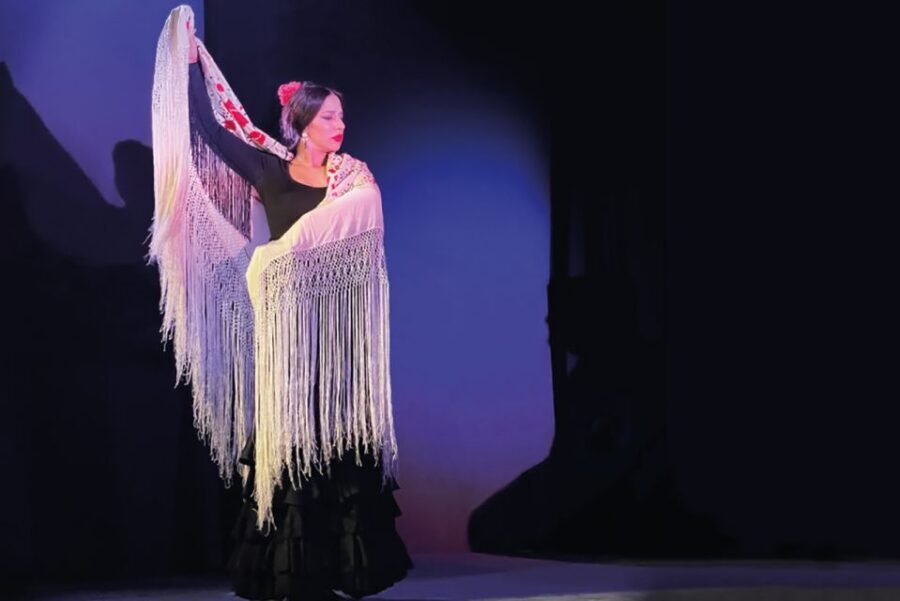
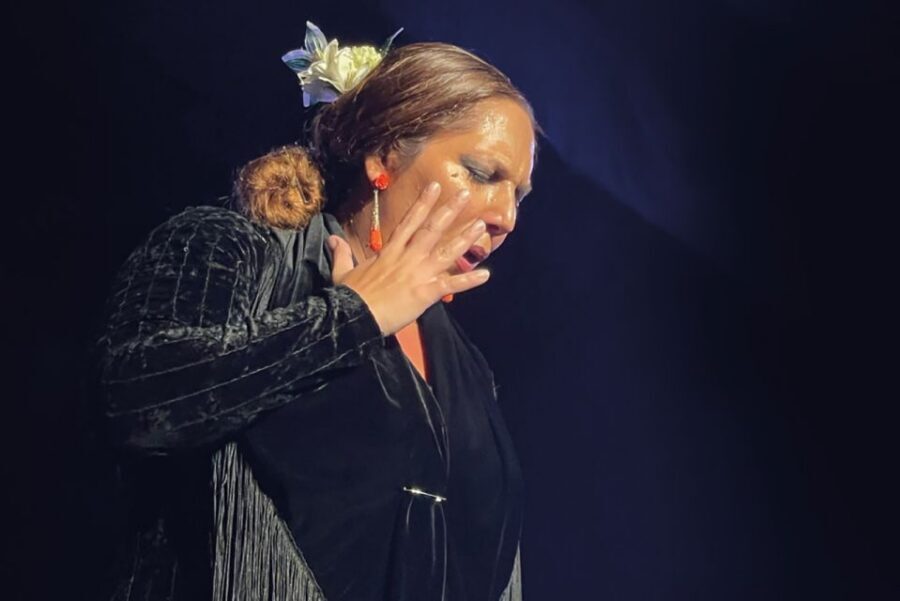
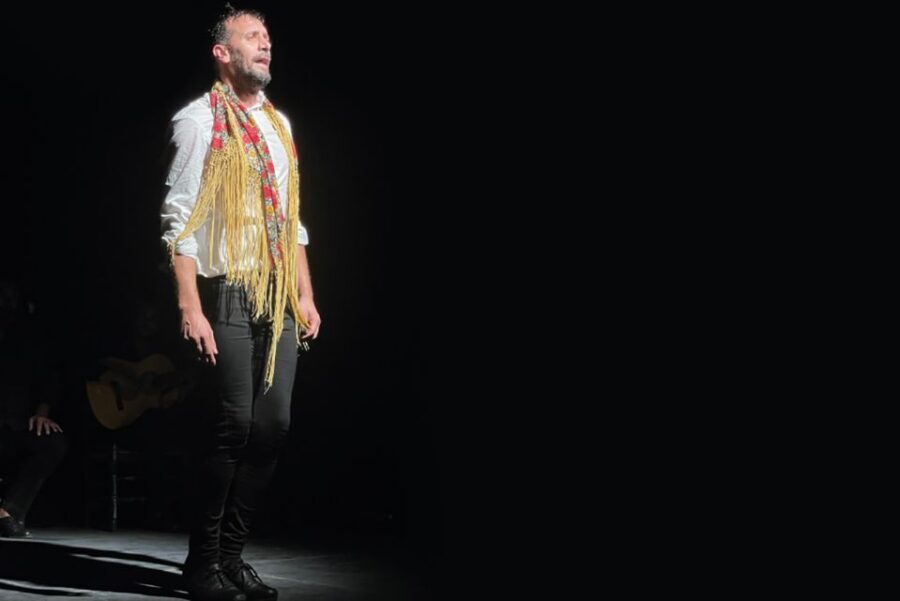
The tour ends with a traditional flamenco performance in the city center. This is the moment where all the street context becomes something you can hear and watch.
Even without getting technical, flamenco has layers, and the show’s impact often comes from the speed of change—rhythms, intensity, and movement that feel tight and controlled while still emotional. One thing I’d watch for is how the performers use body movement and facial expression as part of the rhythm, not just as decoration. It’s not background entertainment.
Guide impact also matters here. Good guides set you up for what you’re seeing. Some of the guides associated with this tour (like Carmen, Laura, or Maria) are praised for explaining more than the facts—things like how flamenco lives alongside the current people and how the performance connects to daily identity. That kind of framing makes the show easier to appreciate.
Seating can affect your experience. The tour’s structure aims to get you into the performance in a way that makes the moment feel close and engaging. If you’re offered any seating option, choose based on sightlines first. Flamenco reads through faces and hands as much as through sound.
Timing concern to take seriously: the tour is designed to get you there on time, and the show has to start. If you’re the type who wants to sprint to photos, build in a little buffer so you don’t feel stressed at the end.
Price and value: what $53 buys you
At $53 per person for about 3 hours, this tour is doing two things at once: a guided neighborhood walk and an included flamenco show. If you tried to separate those, you’d likely pay for a guided walking experience and then still need a show ticket on top.
Here’s the value math that matters for you:
- You get an official guide, so you’re not just wandering Albaicín and Sacromonte hoping you pick up the right context.
- You get a live flamenco show included, which is often the most “separate purchase” part of Granada evenings.
- You get the dusk viewpoint timing, which you can’t always guarantee if you’re DIY.
The tradeoff is effort. You’re paying for convenience and guidance, not for comfort. The tour includes a lot of hilly terrain, so if you’re looking for an easy stroll, this may not feel like a bargain.
Pace, fitness, and who should book it
This isn’t a flat, casual walk. The tour is listed as not suitable for wheelchair users or people with mobility impairments, and it’s also not aimed at low fitness levels. You’ll be walking uphill and down through historic streets, with several stops where you’ll likely pause and stand.
This tour is best for you if:
- You enjoy walking and you’re comfortable with hills.
- You want a guided “story” version of Granada rather than a DIY checklist.
- You care about flamenco as an art form you can understand better by experiencing it connected to place.
This tour may not be the best fit if:
- You need accessibility-friendly surfaces.
- You struggle with steep grades or you’re likely to move slowly enough that timing feels stressful.
If you do book it, treat the shoes and pace choices as part of the plan, not an afterthought.
Should you book this Granada tour of Albaicín, Sacromonte, and flamenco?
I’d book it if you want a Granada evening that ties together three things: historic neighborhoods, one of the best dusk viewpoint moments, and a flamenco performance that feels grounded in the city’s culture. The combination is the point, and it’s exactly what a good guided walk can do—help you see more and understand more than you would alone.
Skip it (or choose a different option) if hills wear you out fast or if you’re trying to keep your schedule extremely relaxed. The show timing matters, and the route is active.
If you’re ready for a real walk plus a real performance, this one is a strong pick for your first or second night in Granada.
FAQ
How long is the tour?
The tour lasts 3 hours.
What neighborhoods are included in the walking portion?
You’ll visit Albaicín and Sacromonte.
Where does the tour start?
It starts at Plaza Nueva, at the fountain. The exact meeting point can vary depending on the option booked.
Is the flamenco show included?
Yes. The flamenco show is included with the tour.
Do I need to arrange hotel pickup or drop-off?
No. Hotel pickup and drop-off are not included.
What languages are the guides?
The tour guide operates in Spanish and English.
Is the tour suitable for wheelchair users or people with mobility impairments?
No. It’s not suitable for wheelchair users or people with mobility impairments, and it also involves a lot of hilly terrain.