REVIEW · WORKSHOPS
Granada: Perfume Workshop
Book on GetYourGuide →Operated by Patio de los Perfumes · Bookable on GetYourGuide
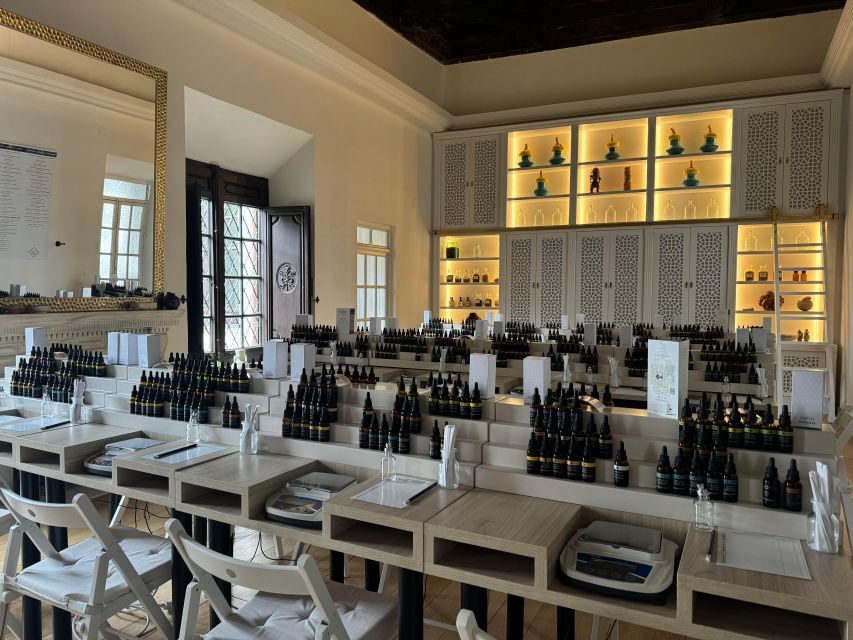
Perfume in Granada can be hands-on. You’ll work with natural ingredients and a perfumer’s guidance in a 17th-century Renaissance palace, then leave with a personalized 50 ml fragrance you can actually wear.
I love that this isn’t just smelling bottles. You choose a base structure (Cologne, Fougère, or Chypré) and then customize it with perfumer tools. I also love that you get a museum visit plus a drink built into the experience, so it feels like more than a quick craft session.
One consideration: it’s not suitable for wheelchair users, and it’s also listed as not for children under 10. If you’re traveling with accessibility needs or very young kids, this one may not work.
In This Review
- Key points that make this workshop worth your time
- Why a perfume workshop in a Renaissance palace feels different in Granada
- Getting there: Carrera del Darro check-in and how to not feel rushed
- Patio de los Perfumes: museum time and the courtyard effect
- The heart of the class: choosing Cologne, Fougère, or Chypré
- How the perfumer teaches composition without turning it into homework
- What happens during the 90 minutes of hands-on work
- Your 50 ml bottle: what it means for value and for memory
- Price and what you’re really buying at about $77
- Who should book (and who might feel out of place)
- Should you book Granada: Perfume Workshop?
- FAQ
- Where is the meeting point?
- How long is the workshop?
- What languages are available for the instructor?
- What do I take home?
- What base formula options can I choose?
- Is it included with the museum and a drink?
- Is there a cancellation deadline?
Key points that make this workshop worth your time
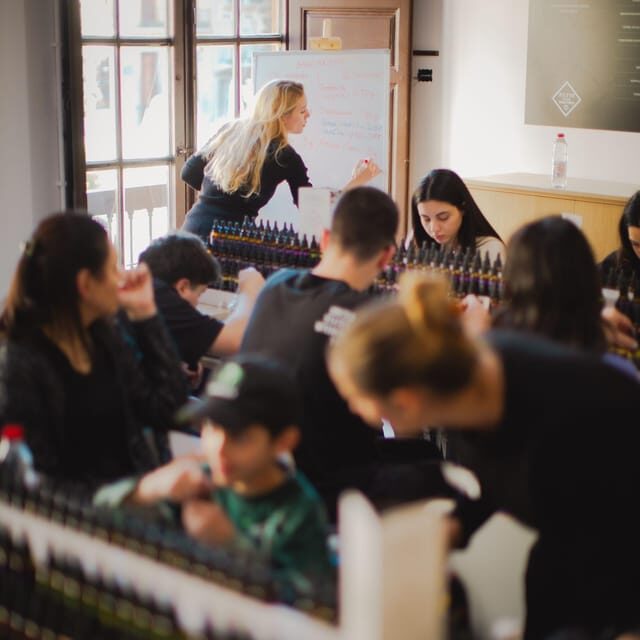
- Renaissance palace setting: the learning happens in a real historic courtyard space, not a storefront class room
- Pick your base formula: start from Cologne, Fougère, or Chypré, then modify it your way
- Natural ingredients + rare essential oils: you’ll get hands-on with the kinds of materials perfumers use
- A calm, guided approach: the workshop leader explains and supports without bulldozing the creative process
- You take home 50 ml: enough to wear, share, and remind yourself of Granada later
- Museum time is included: you can add a bit of wandering beyond the main lesson
Why a perfume workshop in a Renaissance palace feels different in Granada
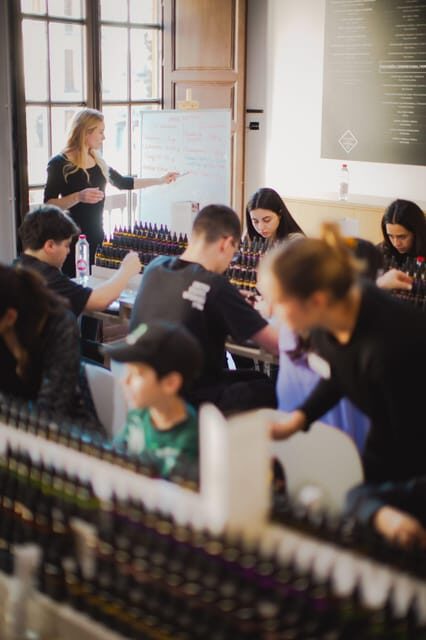
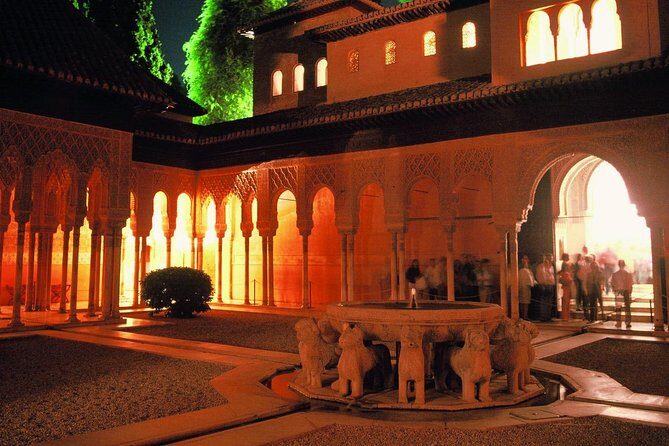
Granada already has a strong sense of atmosphere. The light, the stone, the courtyards, the small details that make you slow down. So when a perfume workshop happens in a Renaissance palace setting, it changes the whole vibe from class to experience.
This is one of those activities where the teaching actually helps you enjoy the craft. You start with the fundamentals of perfume composition—how scent families are built, not just which fragrance smells good right now. Then you apply that knowledge to something practical: your own formula, tailored with natural ingredients and the guidance of a local perfumer.
And you’re not leaving empty-handed, either. By the end, you get a personalized 50 ml creation to wear whenever you want. That size matters. Small samples are fun, but they don’t last. Fifty milliliters is real-life perfume volume.
You can also read our reviews of more tours and experiences in Granada


Getting there: Carrera del Darro check-in and how to not feel rushed
Your experience starts at Carrera del Darro, 5. Plan to arrive a few minutes early so you can find the right spot without stress. The meeting instruction is simple: notify the cashier when you arrive.
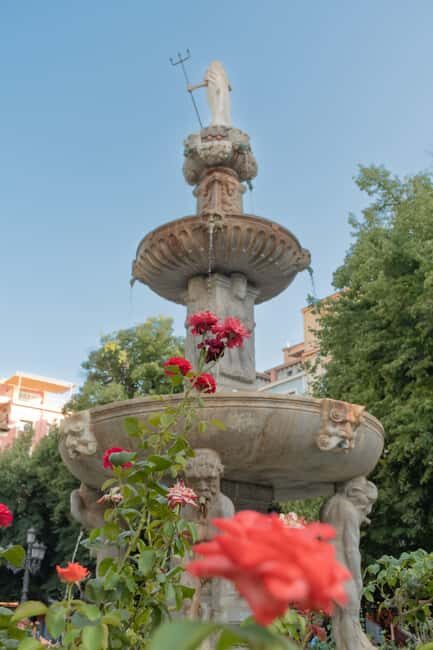
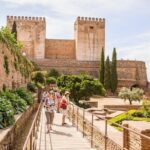
Carrera del Darro is one of Granada’s most pleasant walking areas. If you’re arriving from the center, this is a great “warm-up stroll” zone. You’ll feel like you’re transitioning from sightseeing to something slower and more sensory.
Here’s my practical advice: treat this as part of your day’s pacing. If you go straight from a fast, crowded attraction to a scent workshop, your brain will feel overstimulated. Arrive calmly, take a moment, and let your senses reset.
Patio de los Perfumes: museum time and the courtyard effect
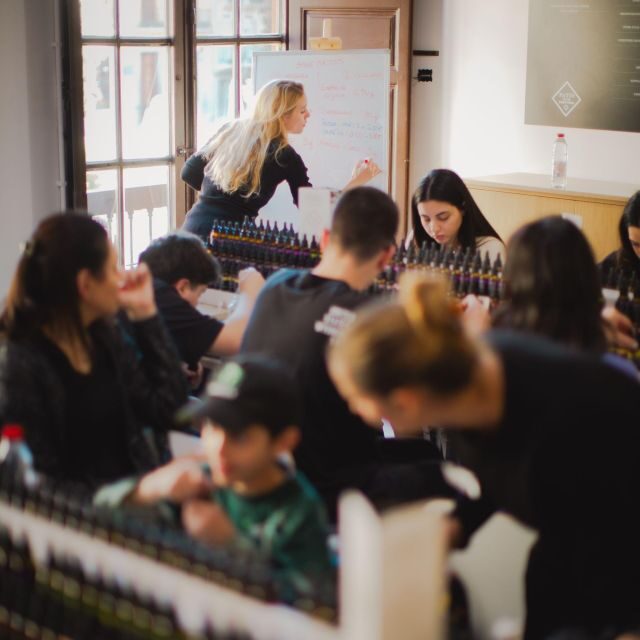
The experience includes a museum visit along with the workshop. That’s a smart pairing. Perfume has a history, but most people only encounter scent as a product, not as a craft. The museum component helps you see the “why” behind the “how.”
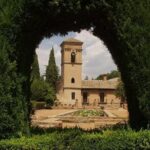
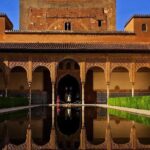
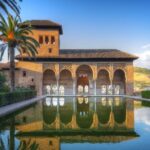
Then there’s the palace setting itself. The grounds are described as stunning, and the best tip is to give yourself breathing room—arrive early or stay a bit after the workshop so you can actually enjoy the space. This isn’t just scenery for photos. Courtyards affect how scent feels in the air, how people talk, and how you experience the moment.
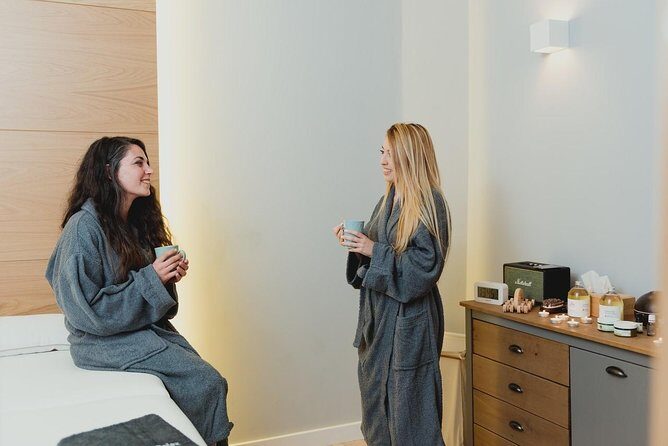
Also, you’ll have a drink of your choice included. That sounds small, but it supports the overall tone. You get to settle in rather than speed through everything like a checklist.
The heart of the class: choosing Cologne, Fougère, or Chypré
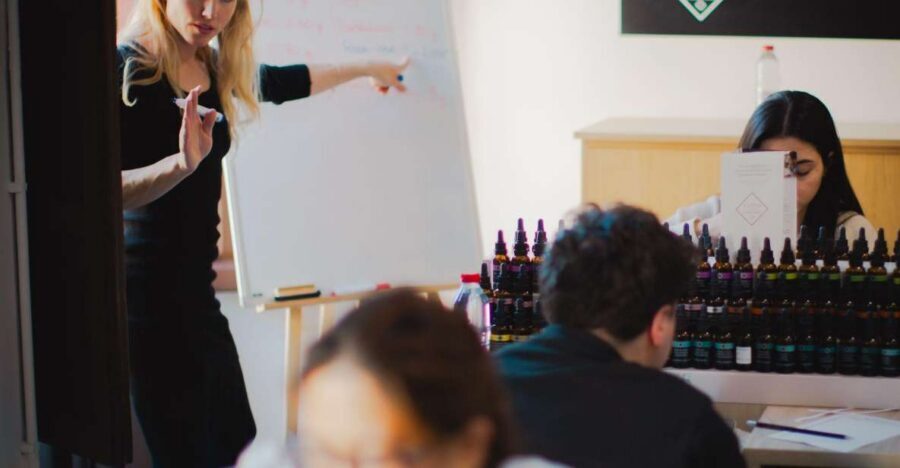
The main workshop is where you build your perfume. You’ll begin by choosing a base formula from three options:
- Cologne
- Fougère
- Chypré
This matters because each category has a different “skeleton.” Your choice gives you structure before you start customizing. Think of it like picking a rhythm pattern before you add instruments.
If you usually wear something classic and clean, Cologne may feel like the easiest entry point. If you like a more herbaceous, structured style, Fougère can be a good fit. And Chypré tends to appeal to people who want a bit more character and personality in the scent.
After you pick your basis, you’ll learn about raw materials used in perfumery and then customize your chosen formula with the perfumer’s tools and rare and precious essential oils provided for the class. This is where you stop imagining perfume and start understanding how it’s composed.
How the perfumer teaches composition without turning it into homework
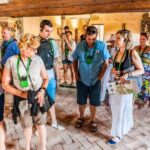
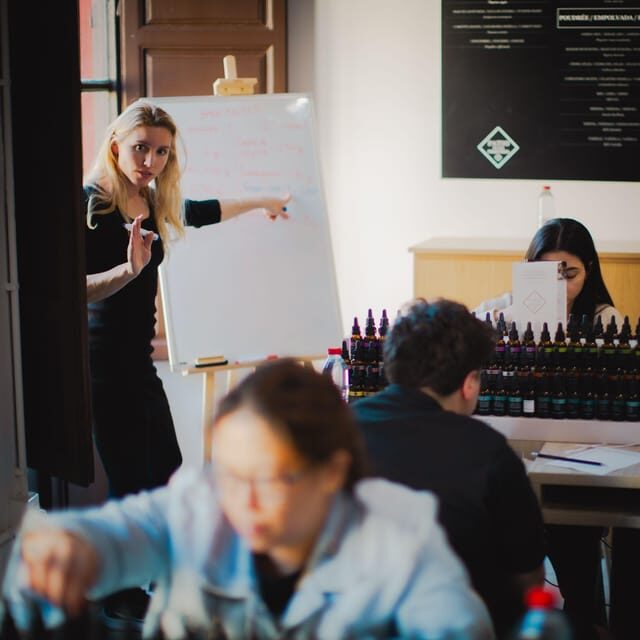
The teaching approach is a big part of why this workshop earns such high marks. The leader (often described by name, like Natalia) guides you with clear explanations, but keeps things approachable. One review highlights how the process felt fun and not overly strict—insights without a heavy hand.
That teaching style matters because perfume is personal. If you feel judged, you’ll hesitate. If the leader explains the logic and then lets you make choices, you’ll actually enjoy the learning.
Here’s what you should pay attention to during the session:
- Composition basics: you’re introduced to how perfumes are built, not just mixed
- Raw materials: you discover what’s actually used in perfumery and how materials behave
- Tool-driven customization: you’ll use perfumer tools rather than random measuring tricks
- Essential oil handling: rare oils make the experience feel more special, and you’ll understand why those choices change the final result
The result is a lesson you can reuse. Even after you leave, you’ll start thinking about scents with more structure: top notes, how elements work together, and how choices steer the vibe.
And yes, it’s practical. You’re not just learning theory. You’re building something you’ll wear.




What happens during the 90 minutes of hands-on work
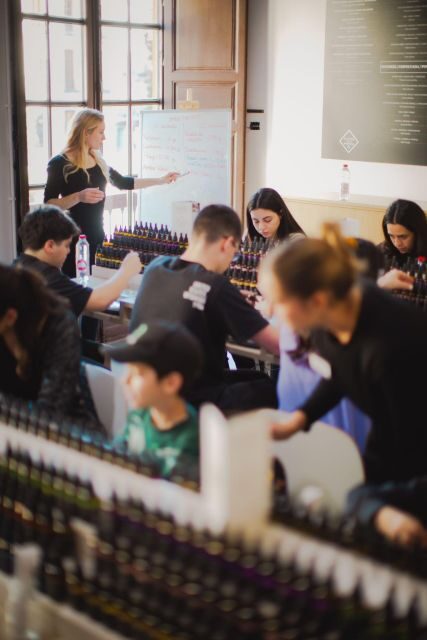
The full experience is 2 hours, and the workshop portion runs about one-and-a-half hours. The timing structure is useful: you get enough time to learn and adjust without dragging on forever.
Within that hands-on block, you’ll move through the cycle that makes perfume-making satisfying:
- Pick your base formula (Cologne, Fougère, or Chypré)
- Learn the raw materials that feed into the formula
- Customize using perfumer’s tools with guidance on how to think about balance
By the end, you have your personalized creation, packaged for you to take with you. The workshop is designed so you don’t just get a “vibe.” You get a real formula.
If you’re the type who likes making decisions—taste, timing, and balance—this part will feel empowering. If you’re more cautious, the teacher’s role becomes even more valuable: you get clarity on what to do next so you don’t overthink every drop.
Your 50 ml bottle: what it means for value and for memory
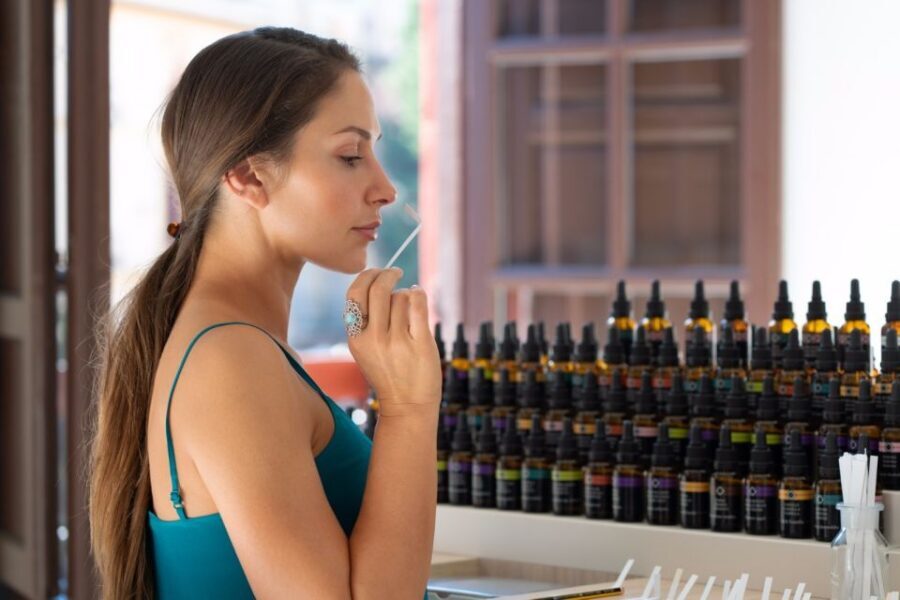
The best souvenir is the one you’ll actually use. Fifty milliliters is the difference between a cute sample and a bottle that lasts.
You’ll leave with your customized fragrance to wear whenever you want, plus the museum visit already included in your time. That pairing is quietly clever. Museums give you context. A wearable scent gives you an ongoing memory—something that connects Granada to your everyday life.
Practical tip: when you get home, try wearing it on a day when you want a consistent mood. Perfume tends to pull memories forward. In a few weeks, you’ll likely find you associate that scent with the day you made it.
Also, because this is built from a base category (not just random mixing), you’ll probably have a better idea of what you’ll like next time. That’s a rare bonus from a workshop like this: it teaches you how your own preferences translate into real composition choices.
Price and what you’re really buying at about $77
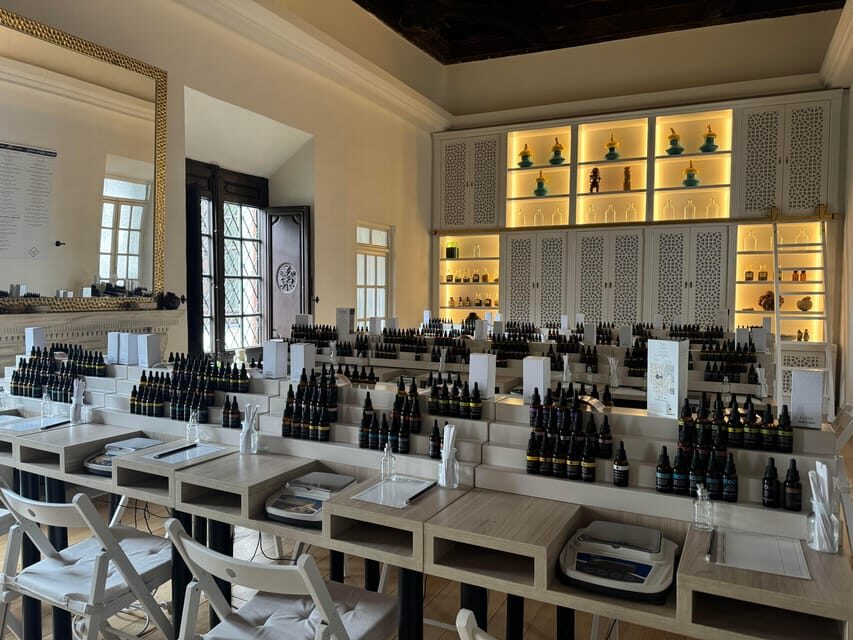
At $77 per person for a 2-hour experience, you’re paying for more than mixing scents at a counter.
What’s included changes the value equation:
- Workshop with a perfumer’s guidance
- 50 ml fragrance made during the session
- Museum visit
- A drink of your choice
When you break it down, the bottle is a real part of what you’re paying for. But the money is also buying education you can’t easily get by yourself—how to think in terms of perfume structure and materials. You’re not hunting around for ingredients, ratios, or tools. You’re using a guided setup designed for beginners to still produce something legit.
So is it worth it? If you like scents, you enjoy hands-on activities, or you want a Granada activity that feels personal, I’d say yes. It’s one of the rare paid attractions where you end with something you can wear, not just photos.
If you don’t care about perfume and just want a quick novelty craft, you might prefer a different Granada day. This one is for people who like details and enjoy making choices.
Who should book (and who might feel out of place)
This workshop is a strong fit if you:
- like sensory experiences and hands-on learning
- want a creative activity with real instruction
- enjoy learning the logic behind what you wear
- want a memorable, usable souvenir
It may be less ideal if:
- you need wheelchair access (the activity is not suitable for wheelchair users)
- you’re traveling with children under 10
Language support is built in. The instructor can work in French, English, and Spanish, so you shouldn’t feel left behind.
For couples and solo travelers, it’s also a nice “shared focus” activity. Everyone’s creating their own fragrance, but you’re learning together in the same space. It’s social without being loud.
Should you book Granada: Perfume Workshop?
If you’re looking for an activity that feels authentic to Granada’s pace—slower, more human, and actually memorable—this is an easy yes.
Book it if you want to:
- leave with 50 ml of perfume you helped create
- learn how perfumes are composed, not just how they smell
- enjoy a historic palace courtyard setting with museum time
Skip it if perfume-making sounds like work to you, or if accessibility and age requirements won’t match your group.
One last smart move: plan your day so you have a little buffer around this. The palace grounds are described as beautiful, and taking time to linger makes the whole experience feel richer, not rushed.
FAQ
Where is the meeting point?
You’ll meet at Carrera del Darro, 5. When you arrive, notify the cashier.
How long is the workshop?
The total experience lasts 2 hours.
What languages are available for the instructor?
The instructor teaches in French, English, and Spanish.
What do I take home?
You make a personalized 50 ml fragrance during the workshop, and it’s yours to keep.
What base formula options can I choose?
You can choose a base formula from Cologne, Fougère, or Chypré.
Is it included with the museum and a drink?
Yes. The experience includes a museum visit and a drink of your choice, along with the workshop.
Is there a cancellation deadline?
Yes. You can cancel up to 24 hours in advance for a full refund.