REVIEW · ALHAMBRA TOURS
Drawing and Painting Class of Alhambra in Granada
Book on Viator →Bookable on Viator
Coloring the Alhambra felt surprisingly doable. This hands-on class turns what you see on Granada’s walls into an actual process: pencil-and-compass layout, then color for your own Alhambra-style design. I loved that no experience is needed, and the teaching stays clear even if you have rusty art skills.
I also liked the human touch—our English guides Kate and Mark explained the steps and shared travel stories that made the designs feel personal, not museum-stuffy. One thing to consider: with a maximum of 7 people, it can book up, so plan ahead if your dates are tight.
In This Review
- Key moments that make this class worth your time
- Granada’s Alhambra designs, taught like a craft
- Who this is best for
- Where you start: meeting point and what to plan for
- The class flow: from pencil-and-compass layout to painted pattern
- A realistic expectation: your design will evolve
- Learning the Alhambra design logic without the intimidation
- What I’d watch for while you work
- Water color or gouache: picking the look you want
- Comfort and pace: breaks, temperature control, and your own rhythm
- Meet Kate and Mark: why the human side matters
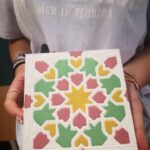
- Your take-home souvenir: a piece you actually made
- Price and value: what $79.26 buys you in Granada
- Practical tips so you enjoy it more
- Should you book the Drawing and Painting Class of Alhambra?
- FAQ
- How long is the Drawing and Painting Class of Alhambra?
- Do I need prior drawing or painting experience?
- What materials and techniques will I use?
- What size is the group?
- Is the class offered in English?
- Where does the class meet?
- Can I get a free cancellation refund?
Key moments that make this class worth your time
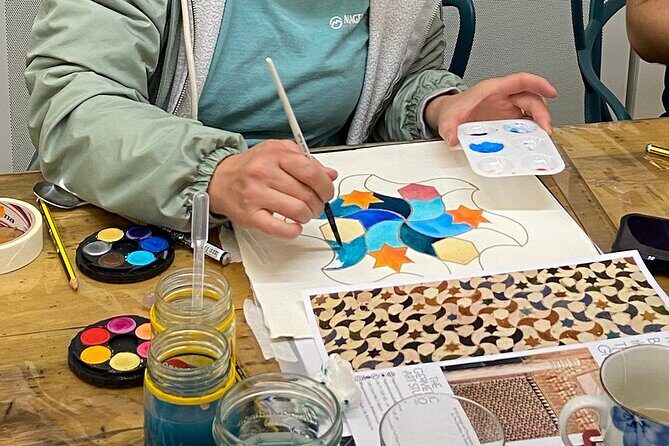
- You build the pattern first: pencil and compass help you get the geometry right before any paint hits the paper.
- Coloring is practical: you’ll use either water color or gouache techniques, so you get a real choice in how your finished piece looks.
- It works for all skill levels: you work at your own pace, and you get help each step of the way.
- Refreshment breaks keep it easy: this isn’t nonstop instruction; there are breaks built into the 3 hours.
- Small group energy: with up to 7 travelers, the guidance stays personal rather than rushed.
Granada’s Alhambra designs, taught like a craft
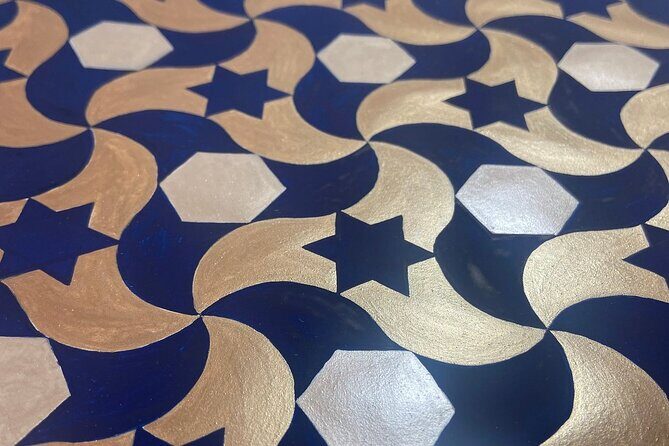
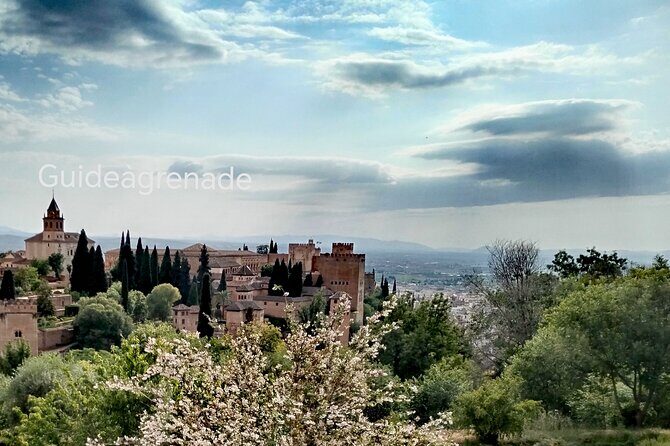
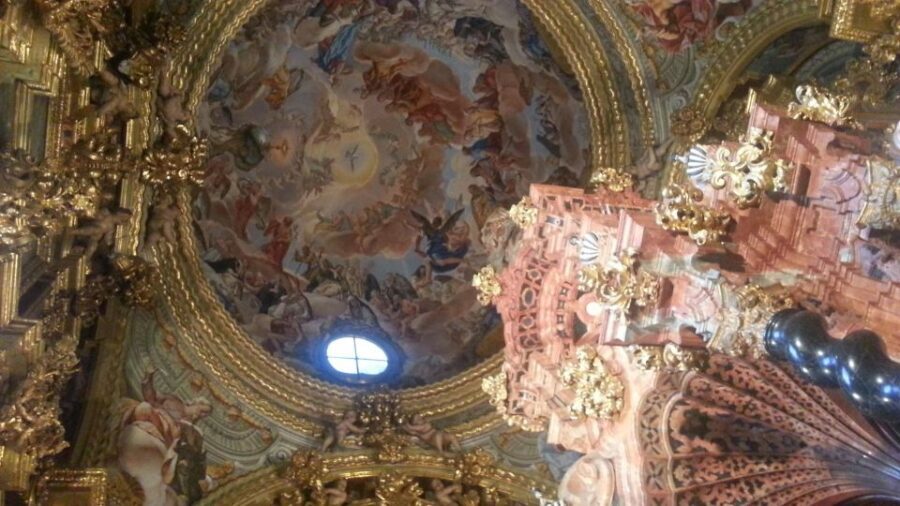
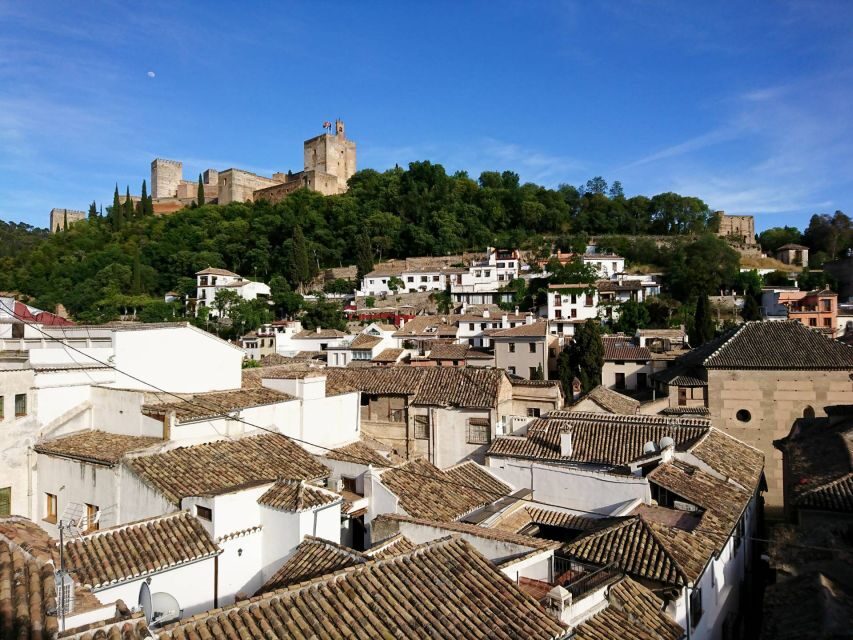
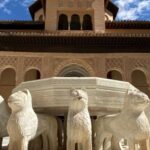
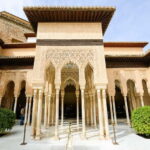
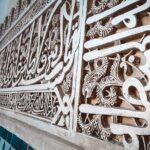
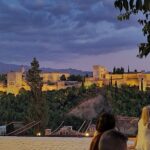
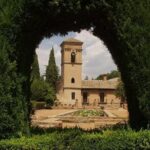
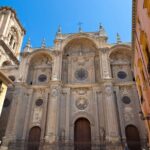
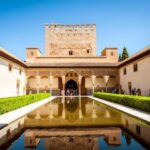
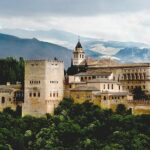
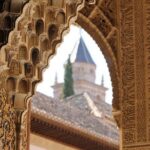
If you love Granada, you’ve probably stared at the Alhambra details walking around town—those repeating motifs, the way lines fold into symmetry, the patterns that look impossible until someone shows you the logic. This drawing and painting class takes that mystery and turns it into something you can do at your own table.
The vibe is friendly and creative. You’re not expected to already know how to draw or paint. Instead, the class focuses on showing how the mosaics, patterns, and artwork of the Alhambra were created, then guiding you to make one of your very own designs to take home.
And yes, the word enjoyable fits. The teaching is step-by-step, the atmosphere is relaxed, and you get breaks. If you’re the type who wants a hands-on souvenir (not another magnet), this is that kind of experience.
You can also read our reviews of more tours and experiences in Granada


Who this is best for
This class is a strong match if you:
- want a calm activity in Granada that doesn’t depend on weather
- like learning how something is made, not just seeing it
- have sketchy or uneven art confidence and still want a good result
It may feel less ideal if you’re looking for a fast, flashy sightseeing tour. This is a studio-style session built around making art.
Where you start: meeting point and what to plan for
You’ll meet at C. San Rafael, 9, Centro, 18009 Granada, Spain. The session runs about 3 hours, and it ends back at the meeting point.
Since the experience is a workshop format, your best move is simple: show up a little early, wear comfortable clothes (you’ll be drawing and painting), and bring a mindset that says, I’m here to learn the process.
The tour runs in English, and it’s limited to a maximum of 7 travelers. That small size matters. It usually means more attention when you get stuck, and less time waiting around.
The class flow: from pencil-and-compass layout to painted pattern
The heart of this experience is learning how Alhambra-style designs are built. The class walks you through the steps that turn a flat page into something that looks like it belongs in Granada’s ornamented world.
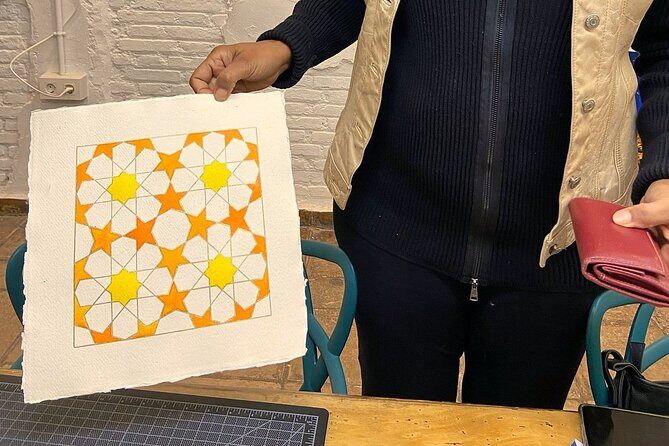
You start with the foundation: pencil and compass work. This is where the geometry comes in. Even if you’re not a confident drawer, you’re not thrown into freehand. Instead, the approach helps you create a structured design, which is half the battle.
Then comes the fun part: color. Depending on what you choose during the session, you’ll add color using watercolor or gouache painting techniques. Either way, you’re working in a way that matches how patterns read visually—layer by layer, with attention to how shapes connect.
A realistic expectation: your design will evolve
One of the best things about this class is that it doesn’t treat your first try as final. You work at your own pace, and you get help each step of the way. That matters more than it sounds.
If you haven’t painted since childhood—if your hand is shaky, or you worry your lines won’t be straight—this structure reduces the stress. You’re building something guided, not performing.



Learning the Alhambra design logic without the intimidation
Let’s be honest: Alhambra patterns can look intimidating. They’re dense, precise, and full of repeating shapes. The trick is that you don’t need to master everything at once.
The class focuses on showing you how the artwork is created: mosaics, patterns, and artistic design principles you can actually understand in one sitting. You’re given the tools and instruction to build a design that makes sense visually, not just a random set of shapes.
I liked that the teaching is both creative and grounded. You’re encouraged to make something you’ll enjoy looking at later, but the guidance stays practical—so you’re not left wondering how anyone ever makes these designs look so clean.
What I’d watch for while you work
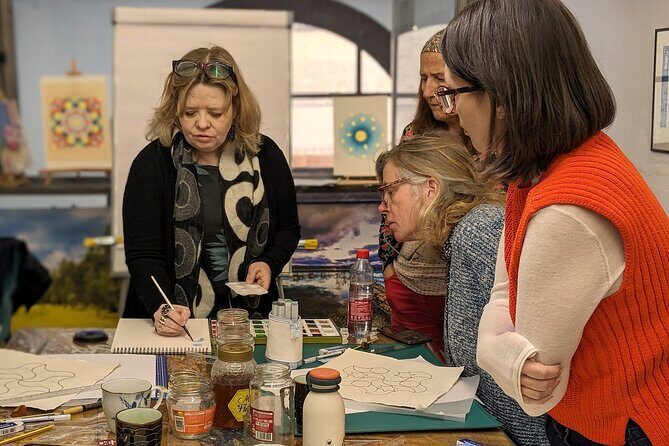
As you start, pay attention to how your guides explain the sequence. You’ll likely move from:
1) layout and placement
2) pattern construction
3) adding color and finishing details
If you take a moment to follow that rhythm, your final piece usually looks more intentional. If you jump ahead without checking alignment, it can get messy. (Not a disaster—just something to avoid.)
Water color or gouache: picking the look you want
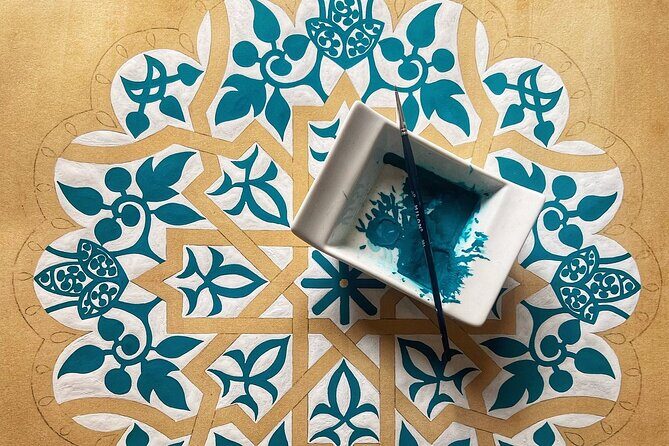
Color is where your personality shows up. The class lets you add color using water color or gouache, and that choice can affect how bold or soft your final design looks.
Here’s the practical way to think about it:
- Water color often feels lighter and more fluid.
- Gouache tends to look more opaque and can be great for punchier, solid color areas.
You don’t need to be a technique expert. The main point is that you’re given options, and you’re supported while you color. That support makes the difference if you’re worried about messing things up.
Comfort and pace: breaks, temperature control, and your own rhythm
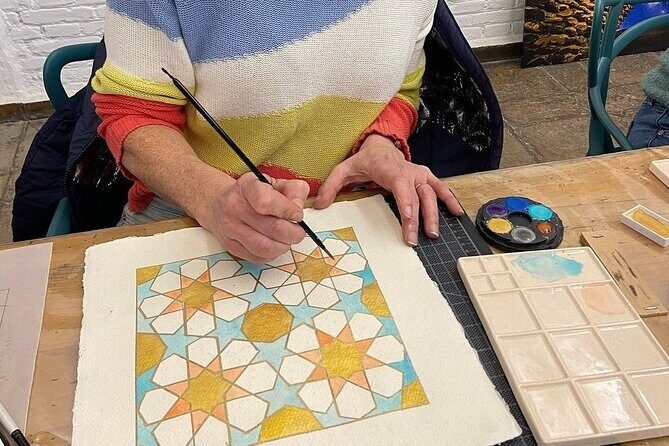
This class is designed to be comfortable. The workshop is air conditioned for summer and heated for winter. That’s a big deal in Granada, where weather can swing and where sitting still for a few hours can get uncomfortable fast.
You also get refreshment breaks throughout the 3 hours. These aren’t just filler time. They help you reset so you can keep working calmly, without that tired, cranky feeling that sometimes ruins longer indoor activities.
Another key detail: students work at their own pace. In practice, that means you can slow down when you want to be careful, and you won’t feel like you’re behind. And if you want more guidance because something isn’t clicking yet, the class helps you step by step.
Meet Kate and Mark: why the human side matters
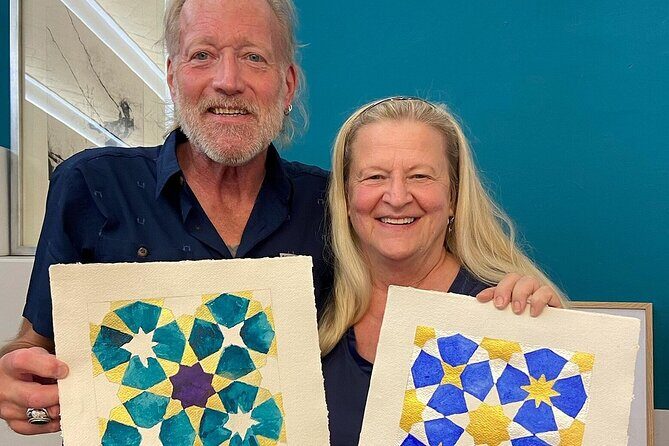
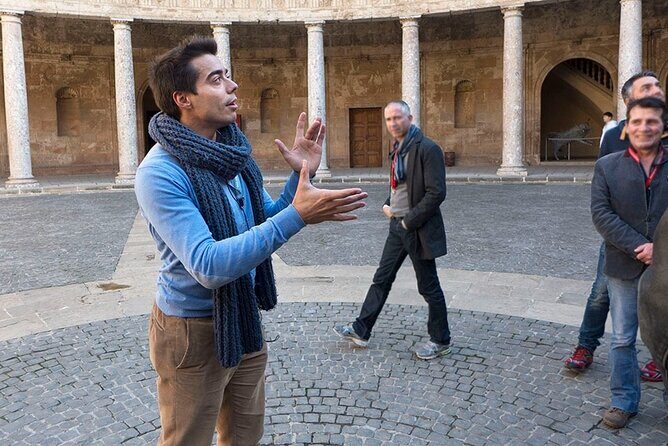
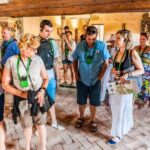
Part of what makes this experience land well is the way it’s taught. In our session, the guides were Kate and Mark, and they brought a mix of instruction and interesting travel stories.
That matters because learning art can turn awkward fast if the teacher is stiff or rushed. Here, the tone feels supportive and upbeat. The explanations stay clear, and the atmosphere feels like you can ask questions without feeling silly.
And I’ll say this plainly: if you’re nervous about drawing and you’re hoping someone will help you feel confident, this is the kind of class where that reassurance shows up in the teaching style.
Your take-home souvenir: a piece you actually made
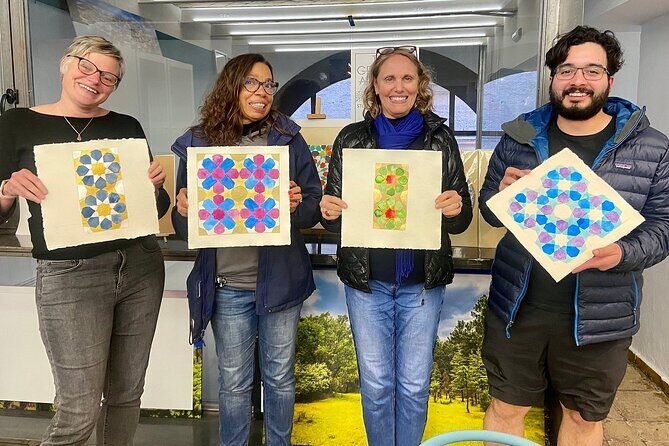
This class is built around the idea that you’ll leave with something real. You’ll create one of your own designs—based on the Alhambra patterns you’ve been learning—and you take it home.
That turns the experience into a souvenir with meaning. It’s not just a picture you took on your phone. It’s your own work, shaped by your choices in layout and color.
If you’ve been enjoying Granada’s street-level Alhambra references, this is a nice way to connect the dots. You spend hours learning how those patterns work, then you walk out with a tangible example of the same design logic—now in your hands.
Price and value: what $79.26 buys you in Granada
At $79.26 per person for about 3 hours, this isn’t a cheap impulse activity. But it also isn’t overpriced when you look at what you’re getting: a guided, step-by-step workshop with take-home artwork.
Here’s the value math that actually matters:
- You get structured instruction (not just open studio time).
- You get guidance even if you’re rusty.
- The class includes breaks and comfort (air conditioning or heating).
- You finish with a physical piece you made, using pencil-and-compass layout plus paint.
For many visitors, that last point is the big one. In Granada, it’s easy to spend money on things you’ll forget in two weeks. This sticks around on your shelf because you built it.
Practical tips so you enjoy it more
These are small things, but they help you have a smoother session:
- Wear comfortable clothes. Painting can get a little messy.
- Plan to focus for the full 3 hours. It’s not a quick stop.
- If you haven’t painted in a long time, that’s normal here. The class is made for you.
- Decide early whether you want a lighter look or a more solid look (water color vs gouache).
If you show up relaxed, you’ll get way more enjoyment out of the process. This is the kind of activity where calm makes the art better.
Should you book the Drawing and Painting Class of Alhambra?
You should book if you want:
- a hands-on Granada experience with a clear creative payoff
- an activity that fits both beginners and people who want to improve
- a small-group setting with English instruction
- a real take-home souvenir made through guided steps
You might skip it if:
- you only want big sightseeing and don’t care about making anything
- you’re looking for something with a huge “touring” component rather than a workshop format
My take: this is a smart use of a few hours in Granada. It pairs well with days of walking and looking. You’ll leave knowing how the patterns work, and you’ll have artwork you can point to later and say, I made that.
FAQ
How long is the Drawing and Painting Class of Alhambra?
The class lasts about 3 hours.
Do I need prior drawing or painting experience?
No experience is necessary. The guides help you step by step.
What materials and techniques will I use?
You’ll create your design using pencil and compass, then add color using water color or gouache techniques.
What size is the group?
The class has a maximum of 7 travelers.
Is the class offered in English?
Yes, it’s offered in English.
Where does the class meet?
The meeting point is C. San Rafael, 9, Centro, 18009 Granada, Spain.
Can I get a free cancellation refund?
Yes. You can cancel for a full refund up to 24 hours in advance of the experience start time.